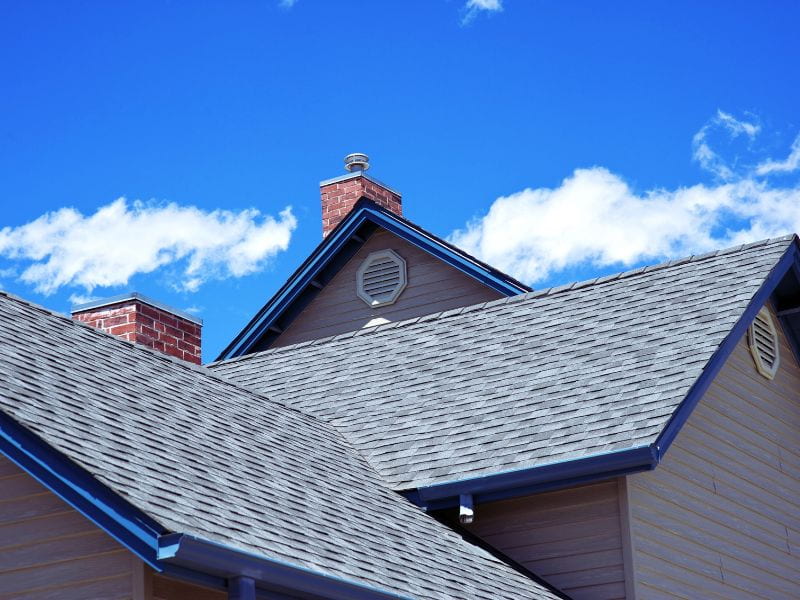
Many homeowners look at their roof and wonder whether its angle is right for their home, climate, or roofing material. Roof angles may look simple, but they play a major role in drainage, durability, and long-term costs. Confusion often starts when terms like pitch, slope, and ratios are used interchangeably, leaving people unsure about what truly matters.

A standard roof pitch refers to the most commonly used roof angles in residential construction that balance performance, cost, and appearance. Understanding this concept helps homeowners make smarter decisions about repairs, replacements, and upgrades. It also impacts related issues such as water drainage around penetrations, where problems like leaks can increase chimney flashing repair needs if the pitch is poorly matched to the roof design.

In this guide, you’ll learn exactly what roof pitch means, how it’s measured, and which pitch ranges are considered standard. We’ll also explore how pitch affects material choices, climate performance, costs, and energy efficiency. Whether you’re planning a new roof or trying to understand an existing one, knowing how standard roof pitch works can save money, prevent damage, and improve your home’s overall performance.

What Is Roof Pitch?

Roof pitch describes the steepness of a roof and is expressed as a ratio of vertical rise to horizontal run. In most residential construction, this ratio is measured over a 12-inch horizontal distance. For example, a 6/12 pitch means the roof rises 6 inches vertically for every 12 inches it runs horizontally.

This ratio format—such as 4/12, 6/12, or 8/12—is the most common way contractors and inspectors communicate roof steepness. It provides a clear, standardized reference that works across materials and building styles.

It’s important to distinguish pitch from slope, even though many people use the terms interchangeably. Pitch is a ratio (rise over run), while slope is often expressed as a percentage. For instance, a 6/12 pitch equals a 50% slope. Some homeowners also prefer to convert pitch into degrees, especially when using digital tools. A 6/12 pitch equals roughly 26.6 degrees.

Understanding roof pitch is essential not just for structure and aesthetics, but also for waterproofing details. Improper angles can stress vulnerable areas like valleys and penetrations, increasing the likelihood of leaks and the need for flashing chimney repair over time.

Understanding Standard Roof Pitch Ranges

Roof pitches generally fall into three broad categories, each suited to different designs and functional needs.

Low-Slope / Flat Roofs

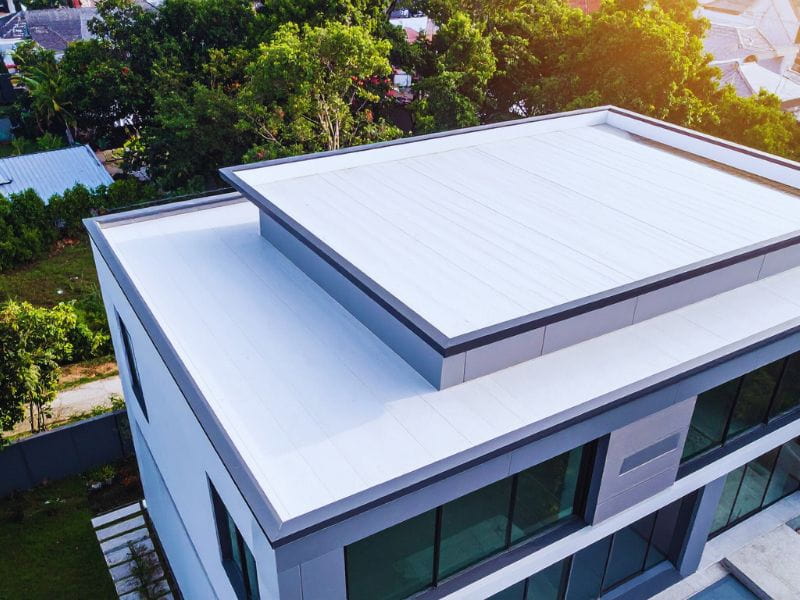
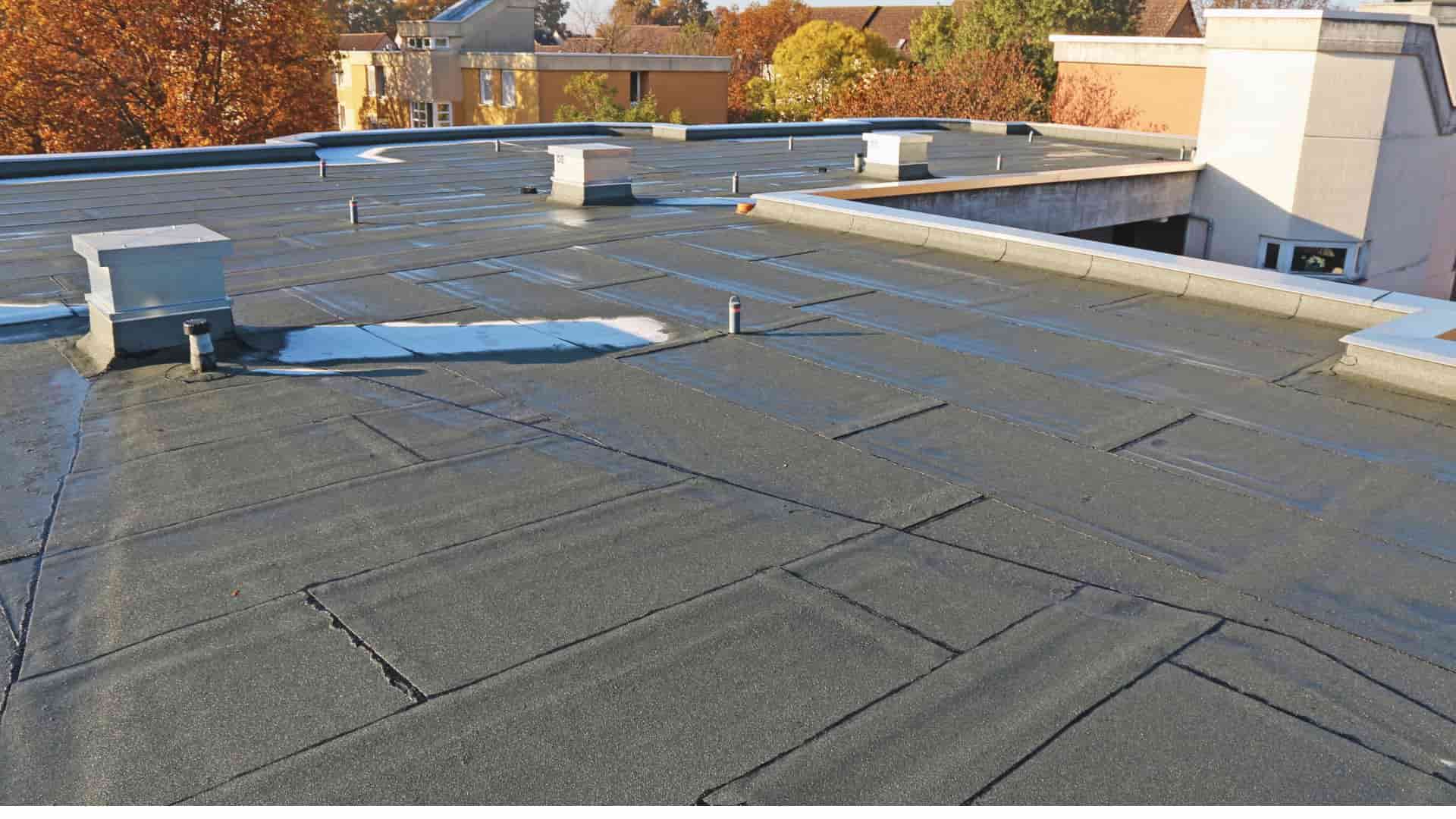
Low-slope roofs are defined as having a pitch of 2/12 or less. These roofs are common on commercial buildings, modern homes, and additions such as porches or garages. While they offer a sleek appearance and lower construction costs, drainage is a major concern. Water tends to move slowly, which increases the risk of pooling and leaks, especially around chimneys where chimney flashing repair is often required.

Conventional / Standard Pitch

The most common residential roof pitches fall between 4/12 and 9/12. Within this range, 4/12 to 6/12 is by far the most popular for homes, as it balances water shedding, walkability, and cost efficiency. This range is widely considered the “standard” because it works well with asphalt shingles, metal roofing, and many architectural styles.

Steep-Slope Roofs

Roofs with a pitch of 10/12 or higher are considered steep-slope roofs. These are often found in Victorian, Gothic, or alpine-style homes. They shed snow and water extremely well but are more expensive to build and maintain due to safety and labor challenges.

Simple Pitch Category Overview

Pitch Range Category Common Uses
2/12 or less Low-slope Commercial, modern homes
4/12–6/12 Conventional Most residential homes
10/12+ Steep-slope Victorian, alpine designs

Understanding Standard Roof Pitch Ranges

Why Roof Pitch Matters

Roof pitch is not just a design choice—it directly affects how your roof performs over decades.

Weather Resistance & Drainage

Steeper roofs shed rain and snow more effectively, reducing moisture buildup. Low-slope roofs are more prone to ponding water, which can lead to leaks and increased chimney flashing repair cost over time if water finds its way around roof penetrations.

Material Compatibility

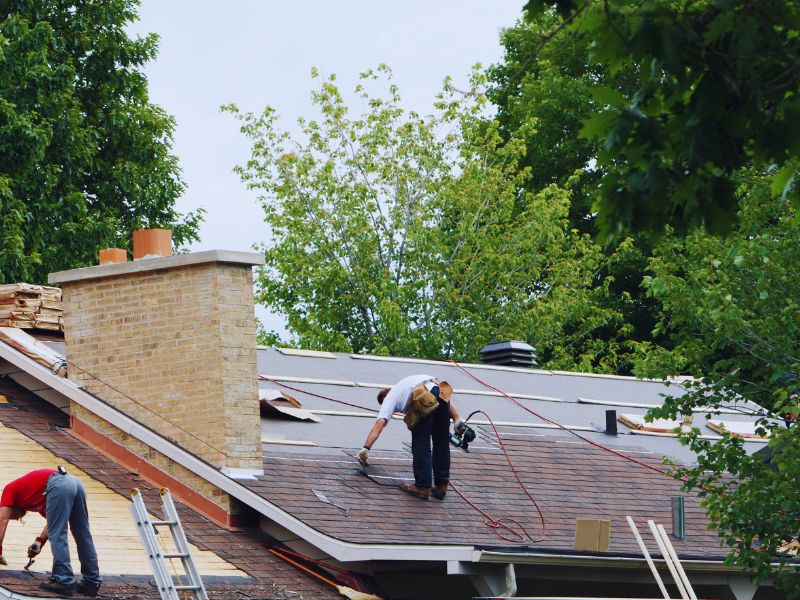
Each roofing material has a minimum pitch requirement. Installing shingles or tiles below their rated pitch can void warranties and cause premature failure. Improper installations often lead homeowners to search for chimney flashing repair near me after leaks develop.

Structural Integrity

In snowy regions, pitch affects how much snow accumulates on the roof. A steeper roof reduces snow load stress on the structure, while flatter roofs require stronger framing.

Cost Implications

Steeper roofs need more materials and labor, increasing upfront costs. Low-slope roofs can be cheaper initially but may cost more in maintenance, especially if drainage issues develop.

Energy Efficiency

Pitch influences attic ventilation and insulation space. Better airflow can reduce heat buildup, improving energy efficiency in hot climates.

Aesthetics & Home Value

Roof pitch defines curb appeal. A well-matched pitch enhances architectural harmony and resale value.

How to Measure Your Roof Pitch

Measuring from Outside

To measure roof pitch from outside, you’ll need a ladder, a 12-inch level, and a tape measure. Safety should always come first—use a stable ladder, wear non-slip shoes, and avoid measuring in wet or windy conditions. Begin by placing the level horizontally on the roof surface, then measure 12 inches along the level. Next, measure vertically from the roof surface up to the end of the level. This vertical measurement represents the roof’s pitch rise and, when paired with the 12-inch run, gives you the roof pitch ratio.

Measuring from the Attic

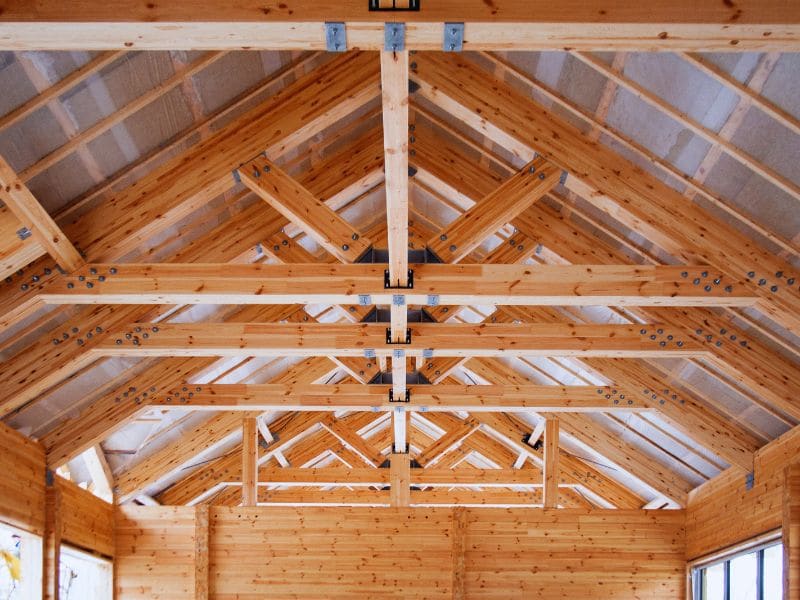
This method is often safer and just as accurate as measuring from the roof exterior. Start by locating a rafter inside the attic, then measure 12 inches horizontally along the rafter. From that point, measure the vertical rise up to the roof surface and record the measurement. The vertical rise over the 12-inch run gives you the roof pitch ratio.

Digital Tools & Apps

Modern roof pitch calculators and smartphone apps allow users to estimate pitch using photos or sensors. While convenient, these tools should be verified for accuracy.

Safety Disclaimer: If you’re uncomfortable accessing your roof or attic, hire a professional. Incorrect measurements can lead to costly mistakes and unnecessary flashing chimney repair.

How to Measure Your Roof Pitch

Most Common Roof Pitches by Home Style

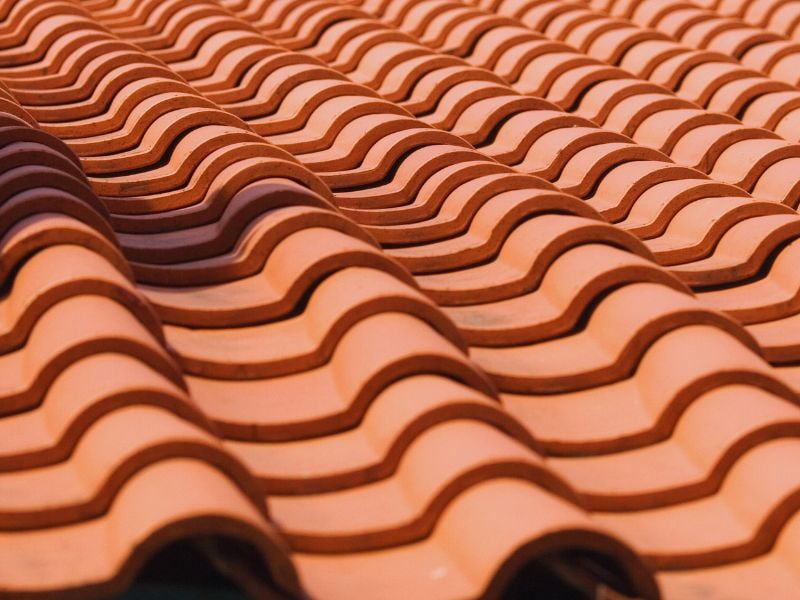
Different architectural styles evolved with specific roof pitch ranges to balance both function and aesthetics. Ranch homes commonly use a 4/12 pitch because of their simple design, easy maintenance, and cost-effective construction. Cape Cod and Colonial homes typically feature steeper pitches ranging from 8/12 to 12/12, which help shed snow efficiently while also creating usable attic space. Contemporary and modern homes often favor lower pitches around 3/12 to 4/12 to achieve clean lines and a minimalist appearance. Victorian homes are known for very steep roofs, often 12/12 or greater, giving them a dramatic look along with excellent water-shedding capability. Mediterranean-style homes usually fall within a 4/12 to 6/12 pitch range, which supports the weight of clay tiles while maintaining effective drainage.

Choosing the Right Roofing Material for Your Pitch

Asphalt Shingleskok

  • Minimum pitch: 4/12

  • Ideal for conventional residential roofs.

Metal Roofing

  • Minimum pitch: 3/12 (lower for standing seam systems)

  • Durable and versatile across many pitches.

Tile (Clay/Concrete)

  • Minimum pitch: 4/12

  • Requires enhanced underlayment due to weight.

Slate

  • Best for steep pitches

  • Heavy material requires strong structural support.

Rubber Membrane / BUR

  • Designed for flat and low-slope roofs

  • Excellent waterproofing but needs proper drainage design.

Material Minimum Pitch Table

Material Minimum Pitch
Asphalt Shingles 4/12
Metal Roofing 3/12
Tile 4/12
Slate Steep slopes
Rubber Membrane Low-slope

Regional & Climate Considerations

Climate plays a major role in determining appropriate roof pitch. Snowy regions benefit from steeper roofs (6/12 or higher) to prevent accumulation. Areas with heavy rainfall need pitches that promote fast drainage, reducing the risk of leaks and repeated chimney flashing repair.

Hot climates benefit from pitches that allow better attic ventilation, while hurricane-prone zones require designs that resist wind uplift. Local building codes often specify minimum pitches based on these conditions and should always be followed.

Cost Factors Related to Roof Pitch

Steeper roofs increase material quantities and labor complexity. Safety equipment and slower installation raise costs. Over time, maintenance expenses also vary—flatter roofs may require more frequent inspections and higher chimney flashing repair cost due to drainage challenges.

Energy efficiency tied to pitch can influence utility bills, and some insurance providers adjust premiums based on roof design and risk exposure.

Common Mistakes to Avoid

Choosing a pitch unsuitable for the local climate is a common mistake that can lead to long-term performance issues, especially in areas with heavy rain, snow, or high winds. Installing roofing materials below their minimum pitch requirements can void warranties and cause premature leaks or failures. Ignoring local building codes may result in safety risks, failed inspections, or costly rework later. Poor drainage planning around chimneys often allows water to collect, increasing the likelihood of leaks and structural damage. Underestimating snow load is another serious error, as excess weight can stress the roof structure and lead to sagging or even collapse in colder regions.

Common scenario: A homeowner installs shingles on a low-slope roof. Within two years, leaks appear near the chimney, leading to repeated searches for chimney flashing repair near me and unnecessary repair expenses.

When to Consult a Professional

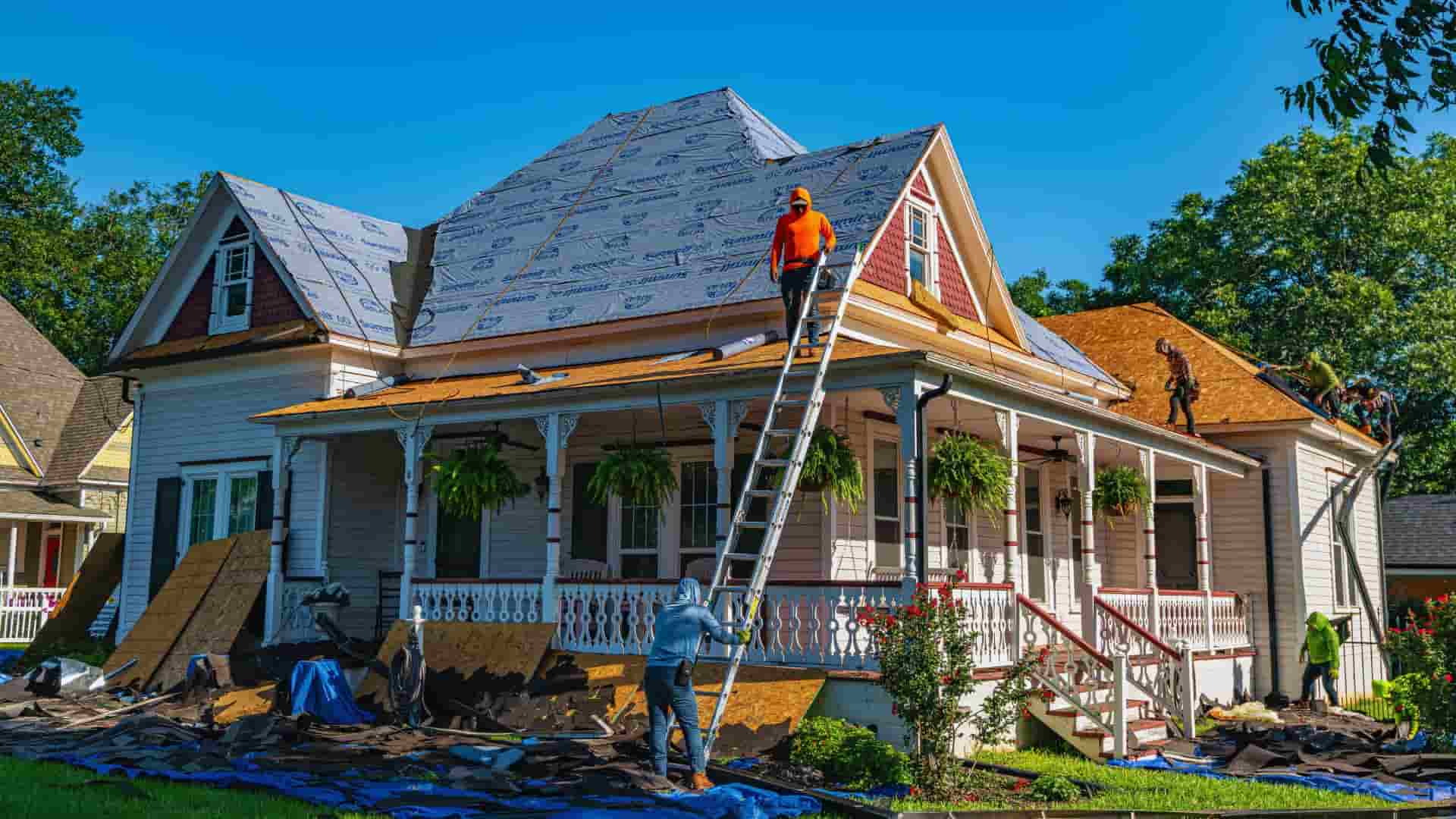
Consult a roofing professional if you notice leaks, sagging, or repeated flashing failures. Professionals can confirm pitch accuracy, recommend materials, and identify hidden issues. Ask contractors about experience, warranties, and how they address flashing chimney repair in their projects.

When to Consult a Professional

Conclusion

Understanding roof pitch helps homeowners make informed decisions that affect durability, cost, and appearance. While many pitch ranges exist, 4/12 to 6/12 remains the most common standard roof pitch for residential homes due to its balance of performance and affordability. Whether planning a replacement or diagnosing issues, professional guidance ensures your roof performs well for decades. For major decisions, a qualified assessment is always worth the investment.

FAQs

What is the most common roof pitch for houses?

Most homes use a 4/12 to 6/12 pitch because it balances drainage, cost, and ease of installation.

What is the standard pitch for a residential roof?

Residential roofs typically fall between 4/12 and 9/12, with 4/12–6/12 being the most common.

Is 4/12 a good roof pitch?

Yes, 4/12 offers good drainage, works with shingles, and is easier and cheaper to maintain.

What’s the minimum roof pitch for shingles?

Most asphalt shingles require at least a 4/12 pitch to perform properly and maintain warranty coverage.

How do I calculate roof pitch?

Measure vertical rise over 12 inches of horizontal run using a level and tape measure.
A hidden danger often lurks above our heads: roof leaks. At first, it may seem like just a water stain on the ceiling, but the consequences can extend far beyond cosmetic damage. Will a leak in the roof cause mold? The answer is a definite yes if water is left untreated for more than 24–48 hours, mold spores can colonize affected areas, threatening both your health and your home’s structural integrity.

Mold spores are naturally present in the air, waiting for the right conditions: moisture, warmth, and organic materials to grow. Roof leaks provide exactly that, especially in attics and ceiling cavities where airflow is poor. This article will guide you through understanding how mold develops from roof leaks, identifying early signs, addressing health risks, preventing growth, and removing mold safely. You’ll also learn when DIY fixes suffice versus when it’s essential to hire a professional, particularly for complex situations like chimney flashing repair, which can increase water penetration if neglected. Acting quickly is critical to protect your home’s value, indoor air quality, and your family’s health.

The Direct Answer: Yes, Roof Leaks Cause Mold

Why Roof Leaks and Mold Are Connected

Mold spores exist in every home and outdoor environment. They need three things to thrive: moisture, organic materials like wood or drywall, and a temperature range of 40–100°F. Roof leaks provide moisture, and the dark, enclosed spaces of attics create ideal conditions for mold growth. Even small leaks that seem intermittent are enough to trigger colonization.

The Critical 24–48 Hour Window

According to EPA guidance, mold can start growing within 24–48 hours of water exposure. Immediate action is essential because most homeowners don’t detect leaks instantly. Hidden leaks allow mold to establish before visible signs appear, turning minor water damage into a serious problem.

The Invisible Growth Period

During the first 12 days after a leak, mold spreads invisibly across affected surfaces. By day 18, it becomes noticeable through discoloration, black spots, or fuzzy tendrils. At this stage, contamination is usually widespread, making remediation more complex.

Roof Leaks Cause Mold

How Roof Leaks Lead to Mold Growth

Roof leaks create the perfect conditions for mold by introducing moisture into hidden areas of your home. Common sources of leaks include missing, cracked, or lifted shingles caused by wind or hail, deteriorated or improperly installed flashing around chimneys, vents, and skylights, and clogged gutters that allow water to back up beneath shingles. In colder climates, ice dams can trap water on the roof, while condensation from poorly ventilated attics adds to moisture buildup. Aging roofs, typically over 15–20 years old, and storm damage that is not immediately visible, also contribute to leaks that can lead to mold.

Once water enters your home, mold can grow in various locations. Attics are particularly vulnerable, affecting insulation, rafters, and roof decking. Ceilings, including drywall, tiles, and joists, may also become contaminated. Water traveling down wall studs can promote mold growth in wall cavities. HVAC systems can spread spores throughout the home, affecting living spaces, carpets, furniture, and personal belongings.

Mold growth can be systemic or localized. Systemic growth occurs when high humidity and poor ventilation allow mold to spread extensively throughout an attic, while localized growth remains near the leak source in well-ventilated areas. Proper attic ventilation significantly reduces the spread of mold and can lower remediation costs.

Types of Mold That Grow from Roof Leaks

Understanding mold species is important because not all molds are equally harmful, though any presence indicates a moisture problem. Visual identification alone is unreliable, so professional testing is often required for extensive growth.

Some common molds from roof leaks include:

  • Stachybotrys chartarum (Black Mold): Dark greenish-black and slimy, it grows on water-damaged drywall, wood, and insulation. It produces mycotoxins linked to respiratory and neurological issues and is often the most feared household mold.

  • Aspergillus: Appearing in white, yellow, green, or black powdery forms, it grows on insulation and wood, causing allergic reactions and respiratory inflammation.

  • Penicillium: Blue, green, or white with a velvety texture, it spreads on insulation and carpets and can trigger allergies and asthma.

  • Cladosporium: Forms black or olive-green patches on wood, fabrics, and carpets. It can irritate the respiratory system and skin.

  • Chaetomium: Starts white and cottony, later turning gray or brown. Found on drywall, wallpaper, and baseboards, it produces mycotoxins that may affect the nervous system.

Identifying the mold species is critical for guiding proper remediation, ensuring safety, and supporting insurance claims. Professional testing, which typically costs $200–$600, provides an accurate assessment of risks and helps determine the best approach for removal.

Types of Mold That Grow from Roof Leaks

Health Risks of Mold from Roof Leaks

Immediate Effects

Exposure to mold from a roof leak can cause a variety of short-term health issues. Common symptoms include sneezing, a runny nose, red or itchy eyes, and skin rashes. Respiratory irritation, such as coughing, wheezing, and throat discomfort, is also common. Individuals with asthma may experience flare-ups, and sinus congestion or headaches can develop as well.

Long-Term Risks

Prolonged mold exposure can result in chronic health problems. Respiratory conditions like asthma or COPD may worsen or develop over time. Immune system suppression can increase susceptibility to infections, while mycotoxins produced by some mold species can cause cognitive issues, fatigue, and dizziness.

High-Risk Populations

Certain groups are more vulnerable to mold-related health effects. Infants, elderly individuals, immunocompromised people, and pregnant women should avoid exposure during mold remediation. Prompt action is especially important for these populations to prevent serious complications.

Indoor Air Quality Impact

Mold spores can circulate through HVAC systems, spreading throughout the home and affecting areas far from the leak. In cases of extensive infestation, professional air quality testing is critical to ensure a safe living environment.

When to Seek Medical Attention

Seek professional medical advice if you experience persistent respiratory symptoms, unexplained skin irritation, chronic headaches, or sudden worsening of asthma. Keeping a record of symptoms can help with both medical evaluation and insurance documentation.

Signs Your Roof Leak Has Caused Mold

  • Visual Indicators: Discoloration on ceilings or walls, black, green, or white spots, peeling paint, sagging ceilings, or warped drywall.

  • Olfactory Clues: Musty, earthy, or damp odors, often concentrated in attics or near HVAC vents.

  • Environmental Clues: Condensation on windows, damaged insulation, wood rot, or white powdery deposits (efflorescence).

Hidden mold may not be visible initially and often requires professional tools such as thermal imaging cameras, moisture meters, or a thorough inspection, typically costing between $300–$800.

How to Prevent Mold from a Roof Leak

Immediate Steps (First 24–48 Hours)

When a roof leak occurs, quick action is essential to prevent mold growth. First, stop the water source by using tarps or buckets to contain the leak. Remove standing water and any wet materials, such as insulation, ceiling tiles, or carpeting, to limit moisture exposure. Increase airflow with fans and deploy dehumidifiers to reduce indoor humidity. Document the damage thoroughly with photos or videos for insurance purposes, as prompt documentation can support claims.

Drying Out Water-Damaged Areas

Ensure that wood and other porous materials reach a moisture content below 15% to prevent mold colonization. Use moisture meters to monitor progress, and employ fans or industrial air movers for effective drying. Don’t forget to inspect hidden areas inside walls, above ceilings, and throughout the attic to confirm all moisture has been addressed. Proper drying is crucial to prevent mold from establishing in overlooked spaces.

Attic Ventilation Improvements

Improving attic ventilation helps reduce systemic mold growth. Ensure ridge, soffit, and gable vents are properly installed, maintaining a recommended ratio of 1 square foot of venting per 150 square feet of attic space. Depending on your system, professional installation can cost between $300 and $2,000, but the investment pays off by keeping the attic dry and preventing future mold.

Regular Roof Maintenance

Routine roof maintenance is key to preventing leaks that lead to mold. Inspect your roof at least twice yearly, ideally in spring and fall, and after major storms. Maintain gutters, trim overhanging branches, and address minor repairs immediately, as small issues can prevent major leaks. Professional inspections typically cost $150–$400 annually and can catch potential problems before they escalate.

Humidity Control

Maintaining indoor humidity below 50% is critical for mold prevention. Use exhaust fans in bathrooms and kitchens, dehumidifiers in damp areas, and consider whole-house ventilation systems if needed. Consistent humidity control minimizes moisture accumulation and reduces the risk of mold growth from future leaks.

How to Remove Mold from a Roof Leak

Removing mold from a roof leak requires careful attention to safety and thorough cleanup. The approach depends on the size of the affected area and the severity of contamination.

A. Small Mold Cleanup (Under 10 Square Feet) – DIY Approach

Safety First:

  • Wear an N95 respirator, rubber gloves, sealed goggles, and long sleeves/pants.

  • Use disposable shoe covers to prevent spreading spores.

Step-by-Step Cleanup:

  • Isolate the Area: Close doors, seal vents with plastic sheeting.

  • Turn off HVAC Systems: Prevent spores from circulating through your home.

  • Remove Contaminated Materials: Discard moldy insulation, ceiling tiles, and heavily affected drywall.

  • Clean Hard Surfaces: Scrub with detergent and water. White vinegar, hydrogen peroxide, or commercial mold cleaners can be used for stubborn spots.

  • Dry Completely: Use fans and dehumidifiers for 48–72 hours, ensuring moisture is below 15%.

  • HEPA Vacuum: After drying, vacuum surfaces to capture remaining spores.

  • Monitor for Regrowth: Inspect the area for 3–4 weeks to ensure mold doesn’t return.

Why Bleach Isn’t Recommended:

Bleach only lightens mold but doesn’t kill roots in porous materials. It also produces harmful fumes and can give a false sense of security.

Large Mold Remediation (Over 10 Square Feet) – Professional Required

When to Call Professionals

You should contact a professional when mold covers more than 10 square feet, appears in HVAC systems, or is hidden behind walls or above ceilings. Black mold (Stachybotrys) is particularly hazardous and requires expert handling. Individuals with health conditions that make exposure risky, those who have attempted DIY cleanup without success, or homes with structural damage should also rely on professional remediation.

Professional Remediation Process

Professional mold remediation begins with a thorough inspection and assessment, including mold testing, moisture mapping, and identifying affected areas. Containment measures, such as plastic barriers and negative air pressure, prevent spores from spreading during cleanup. HEPA air scrubbers filter airborne spores, while contaminated materials are safely removed and HEPA-vacuumed. Surfaces are cleaned and disinfected with antimicrobial treatments, followed by thorough drying using industrial dehumidifiers and air movers. Restoration involves replacing removed materials and patching ceilings or walls. Clearance testing ensures mold levels are safe before reoccupying the space.

Costs

DIY small cleanups typically cost $50–$200, while professional inspection and testing range from $300–$800. Average professional remediation jobs cost $1,500–$5,000, with extensive contamination reaching $10,000–$30,000 or more. Roof repair for minor leaks generally runs $300–$1,500, and major leaks can cost $5,000–$15,000.

Preventing Recurrence

To prevent mold from returning, fix the roof leak completely; emergency patches are not enough. Improve attic and room ventilation to reduce humidity, monitor previously affected areas quarterly for at least a year, and consider using mold-resistant materials such as specialty drywall or antimicrobial paints.

Insurance Coverage for Roof Leak Mold Damage

Dealing with mold from a roof leak can be costly, so understanding what your homeowners’ insurance covers is crucial. Coverage typically depends on the cause of the leak and how quickly it is addressed.

What’s Typically Covered

Homeowners insurance generally covers sudden and accidental water damage, such as that caused by storms, fallen trees, or other unexpected events. Roof damage resulting from covered perils like wind, hail, fire, or falling objects that leads to water intrusion is usually included. Mold remediation is often covered if the mold develops directly from a covered event and is reported promptly. Immediate reporting of water damage from leaks also increases the likelihood that remediation costs will be included in your claim.

What’s Typically Not Covered

Insurance usually does not cover gradual leaks resulting from poor maintenance, aging shingles, or long-term roof wear. Mold that develops from unreported or ignored leaks may be denied on the basis of homeowner negligence. Routine maintenance issues, normal roof aging, and secondary mold damage that spreads weeks or months after the initial water damage are also typically excluded.

How to Maximize Insurance Coverage

To ensure your claim is successful, document the damage immediately with photos and videos. File your claim promptly, as delays can void coverage. Providing records of proactive maintenance, such as regular roof inspections, can help demonstrate care. Professional assessments from roofers or mold inspectors strengthen your claim, and keeping receipts for emergency repairs, temporary fixes, or professional remediation ensures proper documentation. Reviewing your policy in advance to understand coverage limits, deductibles, and exclusions is essential.

Important Considerations

Many policies cap mold remediation coverage between $1,000 and $10,000, and deductibles may apply to both water and mold claims. Optional mold riders are available for $100–$300 annually to increase coverage. Prompt action is critical; delayed reporting can result in denied claims. For issues like chimney flashing repair or hidden roof leaks, professional documentation is often essential to maximize insurance benefits.

Taking these steps ensures you maximize coverage while reducing out-of-pocket costs for repairs and remediation. For issues like chimney flashing repair or hidden roof leaks, professional documentation can be essential for a successful insurance claim.

Conclusion

Will a leak in the roof cause mold? Absolutely within 24–48 hours if left untreated. Mold poses serious health risks and threatens structural integrity. Early detection, immediate action, proper remediation, and regular inspections are critical.

Protect your home and health: inspect your roof twice yearly, repair leaks promptly, recognize mold signs, and consult professionals for roof repair or mold remediation. Timely action saves hundreds on roof fixes and thousands on mold cleanup.

Follow us on Facebook.

FAQs

How quickly does mold grow after a roof leak?

Within 24–48 hours; visible after ~18 days.

Can a small roof leak cause mold?

Yes, even minor leaks provide enough moisture for growth.

What does mold from a roof leak look like?

Black, green, white, or brown spots; may be fuzzy or slimy.

Is mold from a roof leak dangerous?

Yes, it can cause allergies, respiratory issues, and mycotoxin-related problems.

Will fixing the roof stop mold growth?

It prevents new moisture, but existing mold must be removed completely.

Flat roof damage rarely announces itself politely. A small crack or loose seam can quietly allow water inside, leading to stained ceilings, mold growth, insulation damage, and costly structural repairs. That’s why homeowners and property managers often ask, how do you repair a flat roof before minor issues become major problems.

The short answer is that flat roof repairs usually involve cleaning the damaged area, applying patches or sealants, and restoring proper waterproofing. However, the exact method depends heavily on the roofing material and the type of damage present.

Flat roofs are commonly built using EPDM rubber, TPO, modified bitumen, tar and gravel, or PVC membranes. Each material reacts differently to weather, foot traffic, and age, requiring specific repair techniques and products. Using the wrong method can actually worsen leaks instead of fixing them.

In this guide, you’ll learn how to identify your flat roof type, diagnose common problems, perform step-by-step repairs, and decide when DIY makes sense versus when hiring a professional is the safer option. Addressing issues early—especially around vulnerable areas like flashing—can save you from expensive repairs later.

Understanding Your Flat Roof Type

Before attempting any repair, it’s critical to identify your flat roof material. Each roofing system requires specific tools, adhesives, and techniques, and using the wrong materials can cause failures instead of fixes.

A. Common Flat Roof Materials

EPDM (Rubber Roofing)
EPDM is a black rubber membrane that’s either glued down or mechanically fastened. Seams are sealed using special tape or adhesive. It’s flexible and durable but vulnerable to punctures.

TPO (Thermoplastic Polyolefin)
TPO roofs are usually white or light-colored and feature heat-welded seams. They reflect heat well and are increasingly popular on residential and commercial buildings.

Modified Bitumen
This asphalt-based system uses multiple layers and often has a granular surface. It’s tougher than single-ply membranes but can crack as it ages.

Tar and Gravel (Built-Up Roofing)
A traditional system made of layered tar and gravel. It’s heavy and durable but difficult to repair without experience.

PVC Roofing
Similar to TPO but more chemically resistant, PVC is commonly used in commercial settings.

B. How to Identify Your Roof Type

Look at the roof’s color, texture, and seams. Consider its age and check any building records or previous contractor invoices. Proper identification ensures repairs bond correctly and last longer.

Understanding Your Flat Roof Type

Common Flat Roof Problems and Their Causes

Flat roofs experience a unique set of problems due to their low slope and exposure.

A. Ponding Water

Water that remains for more than 48 hours can weaken membranes and seams. Poor drainage and sagging areas are common causes.

B. Membrane Cracks and Splits

UV exposure, aging, and temperature changes cause materials to shrink, expand, and eventually crack.

C. Blisters and Bubbles

These form when moisture or air becomes trapped beneath the membrane. Small blisters may be harmless, but large ones often require repair.

D. Punctures and Tears

Foot traffic, falling branches, tools, or hail can puncture flat roofs, especially rubber membranes.

E. Seam Failures

Failed seams are one of the most common leak sources, particularly on EPDM and TPO roofs.

F. Flashing Problems

Leaks often occur around vents, skylights, and chimneys. Ignoring flashing chimney repair can allow water to travel far before becoming visible indoors, increasing damage.

Diagnosing the Problem: Finding the Leak

Finding the source of a flat roof leak can be challenging because water often travels before dripping inside. Start indoors by measuring the location of water stains relative to walls.

On the roof, look for obvious damage such as cracks, loose seams, punctures, or ponding water. Pay special attention to flashing areas—many leaks originate here and require proper flashing chimney repair.

If visual inspection fails, use controlled water testing by flooding small roof sections one at a time. Professionals may use infrared scanning to detect trapped moisture.

Always inspect on dry, sunny days and follow safety precautions, including secure ladders, non-slip shoes, and fall protection when needed.

Tools and Materials Needed

A. Essential Tools

  • Utility knife

  • Broom and brushes

  • Trowel or putty knife

  • Paint or roofing roller

  • Measuring tape

  • Ladder and safety gear

B. Material Requirements by Roof Type

  • EPDM: Cleaner, primer, rubber patches, contact cement, lap sealant

  • TPO: Cleaner, membrane patches, adhesive or heat gun

  • Modified Bitumen: Roofing cement, mesh, membrane patches

  • Tar and Gravel: Asphalt, roofing cement, fiberglass mesh, gravel

C. Safety Equipment

  • Non-slip shoes

  • Gloves and goggles

  • Harness (recommended)

  • Knee pads

Step-by-Step Repair Process by Roof Type

Repairing a flat roof requires different techniques depending on the material. Following proper steps ensures a durable, watertight repair and prevents future issues.

Step-by-Step Repair Process by Roof Type

A. EPDM Rubber Roof Repair

Step 1: Clean the Area
Start by sweeping away all debris, dirt, and loose materials. Use an EPDM membrane cleaner to remove oils and contaminants from the damaged area. Allow the surface to dry completely before applying any patch.

Step 2: Cut and Prepare the Patch
Cut a patch that is 6–12 inches larger than the damaged area on all sides. Round the corners to prevent peeling over time. Clean both the roof surface and patch thoroughly to ensure good adhesion.

Step 3: Apply Contact Cement
Roll rubber-to-rubber contact cement onto both the patch underside and the damaged area. Let the cement become tacky for about 10 minutes before proceeding.

Step 4: Position and Adhere the Patch
Carefully align the patch over the damage and press firmly from the center outward to remove air pockets. Use a roofing roller to ensure full contact and a smooth surface. For larger patches, apply one half at a time for better control.

Step 5: Seal the Edges
Apply EPDM lap sealant around all edges to create a watertight seal. Allow the patch to cure according to manufacturer instructions before exposing it to water.

B. TPO Roof Repair

Step 1: Clean and Prepare
Remove dirt, grease, and debris using a TPO-approved cleaner. Ensure the surface is completely dry, and mark the repair area boundaries.

Step 2: Cut the Damaged Section (if necessary)
For significant damage, cut out the affected portion to create clean, square edges. Remove any loose material to expose the substrate.

Step 3: Apply Patch Material
Cut a TPO patch extending at least 6 inches beyond the damage. Attach it using TPO bonding adhesive or heat welding with a hot air gun at manufacturer-specified temperature. Press and roll the patch smooth to eliminate air pockets.

Step 4: Test the Seams
After curing, gently pull at the edges to test adhesion. Reseal any weak spots immediately to ensure a watertight finish.

C. Modified Bitumen Roof Repair

Step 1: Remove Gravel and Clean
Sweep away loose gravel to expose the membrane. Clean the area thoroughly to identify cracks, blisters, or punctures.

Step 2: Apply Base Layer
Spread a 1/8-inch layer of roofing cement over the repair area, extending 6 inches beyond the damage. Smooth with a trowel for even coverage.

Step 3: Add Reinforcement
Embed a piece of fiberglass mesh into the wet cement for added strength. Cover the mesh with an additional layer of roofing cement to secure it.

Step 4: Install Membrane Patches
Cut a membrane patch to cover the repair area, adhering it using a torch, hot-mop, or cold adhesive method. Add a second patch at least 6 inches larger in all directions for extra protection.

Step 5: Seal and Restore Surface
Apply a final layer of roofing cement over the patch. Press fresh gravel into the wet cement to match surrounding coverage and provide UV protection.

D. Tar and Gravel Roof Repair

Step 1: Expose the Problem
Remove gravel from the damaged section. Cut away loose, blistered, or deteriorated roofing material, exposing the membrane below.

Step 2: Fill and Patch
Apply roofing cement or hot tar to the damaged area. Embed fiberglass mesh if necessary for reinforcement. Build up layers evenly to match the surrounding roof height.

Step 3: Restore Protective Layer
Spread new gravel over the patched area, ensuring depth matches the existing layer. This protects the roof from UV rays and prolongs the patch’s life.

By following these step-by-step procedures, you can effectively repair most flat roof issues while maintaining the integrity of the surrounding materials. Remember that proper preparation, cleaning, and sealing of edges are critical for long-lasting results, whether working with EPDM, TPO, modified bitumen, or tar and gravel systems. When dealing with flashing or structural elements, professional assistance may be warranted to prevent hidden leaks and ensure safety.

Small vs. Large Repairs: Knowing the Difference

Understanding the difference between minor and major flat roof repairs is essential for choosing the right approach and avoiding unnecessary costs.

Minor Repairs (DIY-Friendly)

Minor damage is typically localized and straightforward to fix. This includes small cracks under 6 inches, isolated punctures, single blisters, or limited seam failures. These types of repairs can often be handled safely by homeowners with basic tools and materials, such as roofing cement, patches, or sealants. DIY minor repairs usually cost between $100 and $300 for materials and can often be completed in a few hours. Acting quickly on minor issues prevents them from escalating into larger problems that require professional intervention.

Major Repairs (Professional Recommended)

Major repairs involve more extensive damage and generally require professional expertise. Examples include multiple leak sources, widespread membrane deterioration, sagging or structural issues, and large areas of ponding water. These situations often demand specialized equipment, advanced repair techniques, and adherence to building codes. Costs for professional major repairs typically range from $1,200 to $1,500 or more, depending on severity. In these cases, attempting a DIY fix could worsen the damage, lead to higher chimney flashing repair cost, or compromise roof warranties.

Repair vs. Replacement

Sometimes repeated repairs are less cost-effective than a full roof replacement. If your flat roof is over 20 years old, shows damage covering more than 30% of its surface, or requires frequent interventions, replacement is usually the smarter choice. This decision also considers potential water damage, energy efficiency, and building code updates. Proactively replacing an aging roof ensures long-term reliability and often saves money compared to continual minor and major repairs.

By accurately assessing the scope of damage, you can choose between a DIY fix, professional repair, or full replacement, ensuring safety, durability, and cost efficiency.

When to Call a Professional

Knowing when to call a professional is crucial for flat roof repairs, especially to prevent minor issues from escalating into costly problems. While DIY repairs can handle small cracks, punctures, or localized seam failures, professional expertise is essential for extensive damage, structural concerns, or complex leaks. Improper repairs not only risk further water intrusion but can also increase costs associated with chimney flashing repair, particularly if leaks spread unnoticed under the roof membrane.

Professional roofers bring several advantages. They can accurately diagnose the source of leaks, including hidden issues around vents, skylights, or chimneys. Using the right materials and techniques ensures compliance with building codes and manufacturer warranties—an area where DIY efforts can unintentionally void coverage. For example, proper installation of flashing and seam repairs often requires specialized adhesives, heat welding, or infrared scanning equipment that homeowners typically lack.

Hiring a professional is also essential when filing insurance claims, as contractors can provide documented assessments of damage and repair methods. This is particularly important if you’re searching for chimney flashing repair near me, as experienced technicians can identify underlying issues that could otherwise go unnoticed.

Safety is another consideration: professionals are trained to work at height, handle heavy roofing materials, and navigate steep or fragile surfaces safely. In short, calling a professional ensures long-term protection, proper repairs, and peace of mind, especially for large or complicated flat roof projects where minor errors could lead to major water damage.

Preventive Maintenance to Avoid Future Repairs

Preventive maintenance is the key to extending the life of your flat roof and minimizing costly repairs. Regular inspections allow you to catch small problems before they become major issues. Ideally, inspect your roof twice a year—in the spring and fall—and after any severe weather events such as heavy rain, hail, or snowstorms.

Keeping your roof clean is critical. Remove debris like leaves, branches, and dirt that can trap moisture and cause membrane deterioration. Ensure that drains, scuppers, and gutters are clear to prevent ponding water, which is one of the most common causes of flat roof leaks. Pay close attention to low spots where water may accumulate, and consider adding additional drainage if ponding is frequent.

Small repairs made promptly can prevent the need for larger fixes. Seal minor cracks and punctures, replace worn caulking around vents and chimneys, and monitor blisters or membrane bubbles. Addressing these issues early often eliminates the need for major flashing chimney repair later, saving both time and money.

Professional maintenance plans are also worth considering. Annual or bi-annual inspections, which typically cost between $200 and $400, can identify hidden damage, perform minor repairs, and ensure proper waterproofing. Such programs can extend your roof’s lifespan by 40–60%, reduce emergency repairs by up to 70%, and maintain warranty compliance.

By combining DIY upkeep with professional inspections, you can keep your flat roof in optimal condition, prevent leaks, and avoid costly emergency repairs, ensuring that your roof remains reliable and safe for years to come.

Flat Roof Repair Costs

Understanding the costs associated with flat roof repairs can help homeowners plan and decide between DIY fixes and professional services. DIY repairs are generally the most cost-effective for minor issues, such as small cracks, isolated punctures, or minor seam failures. Material costs typically range from $50 to $400, depending on the roof type and the supplies needed, such as patches, sealants, and cleaning products. Investing in basic tools may add another $100–$200 if you don’t already own them.

Professional repairs vary widely based on the severity of the damage and roof type. Minor repairs usually cost $300–$700 for a few hours of work, while medium repairs may range from $600–$1,200, often completed in a half-day. Extensive or emergency repairs—especially those involving multiple leaks, structural issues, or complex flashing chimney repair—can cost $1,200–$1,500 or more. Emergency calls or off-hour service may add a 50–100% premium.

Several factors influence repair costs, including roof material, accessibility, location, and the time of year. For example, TPO and modified bitumen repairs are generally more expensive due to material and labor requirements. Comparing early repairs versus delayed action is critical: ignoring minor leaks can result in widespread water damage, much like delaying chimney flashing repair can lead to costly interior damage. Addressing problems promptly often saves both money and stress in the long run.

Conclusion

So, how do you repair a flat roof successfully? The answer depends on correct diagnosis, matching repair methods to the roof material, and using proper tools and materials. Minor issues can often be handled DIY, but large-scale damage, seam failures, and flashing problems require professional expertise.

Regular inspections and maintenance dramatically reduce repair costs and extend roof lifespan. Delaying repairs—especially around flashing—can lead to widespread water damage and expensive fixes.

Inspect your flat roof today, address small issues early, and consult a professional when needed to protect your property and your budget.

Follow us on Facebook.

FAQs

1. Can I repair a flat roof myself?
Yes, small cracks and punctures are DIY-friendly, but major damage should be handled by professionals.

2. How long do flat roof repairs last?
Quality repairs typically last 5–10 years, depending on materials and weather exposure.

3. What is the best sealant for flat roofs?
It depends on the roof type—EPDM, TPO, and bitumen each require specific products.

4. Can you repair a flat roof in winter?
It’s possible but not ideal, as cold temperatures affect curing and adhesion.

5. When should a flat roof be replaced instead of repaired?
If it’s over 20 years old or damage exceeds 30%, replacement is usually smarter.

Choosing the correct lighting truss width can make or break an event’s success. From small retail displays to massive concert tours, the truss you select directly impacts safety, load capacity, and the overall visual impact of your lighting design. One of the most common questions event planners, DJs, and production managers ask is how wide is a truss for lighting?

The short answer is that lighting trusses typically range from 6 inches to 24 inches or more in width, depending on the application. However, that simple number doesn’t tell the full story. Truss width is influenced by factors such as equipment weight, span length, venue constraints, and whether the installation is temporary or permanent.

Much like construction projects where overlooking details can increase chimney flashing repair cost later, choosing the wrong truss width can lead to safety risks, added expenses, and redesigns. This article breaks down everything you need to know about lighting truss widths—standard sizes, types, load capacities, and real-world applications—so you can confidently select the perfect truss for your needs.

By the end, you’ll clearly understand how wide is a truss for lighting? and how to match the right size to your specific project.

Understanding Lighting Truss Width: The Basics

Lighting truss width refers to the distance measured chord-to-chord, meaning the outside edge of one main tube to the outside edge of the opposite tube. This measurement determines how strong, stable, and visually dominant a truss system will be.

Why does width matter so much? First, structural integrity. Wider trusses distribute weight more efficiently, allowing them to support heavier lighting fixtures over longer spans. Second, load capacity increases as width increases, making wider trusses safer for complex lighting setups. Third, aesthetics play a role—larger trusses are more visually impactful and professional-looking for concerts and touring productions.

There’s a direct relationship between truss width and application. Small decorative setups often use narrow trusses, while large concerts require much wider systems. Measurements are typically listed in inches in the U.S. market, though millimeters are common in international specifications.

Understanding these basics helps avoid costly mistakes. Just as delaying flashing chimney repair can create bigger problems later, ignoring proper truss width selection can lead to unsafe conditions and reduced performance.

Standard Lighting Truss Widths Explained

A. Small Format Trusses (6″–8″)

Small format trusses typically measure 6 to 8 inches wide and are designed for lightweight applications. These trusses are commonly used in retail displays, small exhibitions, and decorative lighting installations.

Best applications include trade show booths, storefront displays, and accent lighting. Load capacity is limited, usually supporting lightweight LED fixtures and minimal accessories.

Pros:

  • Lightweight and easy to transport

  • Affordable

  • Visually subtle

Cons:

  • Limited span and load capacity

  • Not suitable for heavy fixtures

These are ideal when aesthetics matter more than strength.

B. Medium Format Trusses (10″–12″)

Medium format trusses, especially 12-inch trusses, are the industry standard. They strike the perfect balance between strength, versatility, and cost.

Commonly used for DJ setups, churches, corporate events, and mid-size productions, 12″ trusses can handle moderate loads and span reasonable distances safely.

Why is 12″ so popular? Because it works for most applications without being oversized. It’s similar to preventative maintenance—like timely chimney flashing repair—where addressing needs early avoids bigger issues later.

C. Large Format Trusses (16″–18″)

Large format trusses are heavy-duty systems designed for concerts, touring rigs, and outdoor stages. These trusses support significant weight and longer spans without excessive deflection.

You should upgrade to this size when using moving heads, video panels, or extended spans. While the initial investment is higher, the added safety and performance justify the cost.

D. Extra-Large Trusses (20″–24″+)

Extra-large trusses are used in arena and stadium productions. These professional-grade systems can span 40 feet or more and support massive lighting and video loads.

Custom sizing options are available for specialized needs, similar to how flashing chimney repair solutions are tailored to unique roof designs.

Truss Types and How Width Varies

Lighting trusses come in several structural designs, and each type handles width, strength, and application needs differently. Understanding these variations helps you choose a truss that balances performance, weight, and cost.

A. Ladder (Flat) Truss

Ladder trusses consist of two parallel main chords connected by horizontal rungs, creating a flat profile. Typical widths range from 6 inches to 12 inches, making them one of the narrowest and lightest truss options available. Because of their low weight and slim design, ladder trusses are easy to transport, quick to rig, and ideal for decorative lighting, backdrops, and short-span applications. However, their open, two-chord structure limits load capacity and resistance to twisting, which means they are not suitable for heavy fixtures or long unsupported spans.

B. Triangle (Tri) Truss

Triangle trusses feature three chords arranged in a triangular shape, usually measuring 12 to 16 inches wide. This geometry provides excellent strength-to-weight efficiency, allowing tri trusses to handle greater loads than ladder trusses without a significant increase in overall weight. They are popular for medium to large events, mobile stages, and DJ rigs where strength and portability are both important. The triangular design also improves torsional stability, making them more reliable for dynamic lighting setups.

C. Box (Square) Truss

Box trusses are the most common and versatile truss type in professional production. Available in sizes such as 12″x12″ and 20.5″x20.5″, they offer superior load capacity, rigidity, and flexibility in rigging. Their four-chord structure evenly distributes weight, making them ideal for complex lighting, audio, and video systems. For frequent or high-demand use, box trusses are well worth the investment.

D. Specialty Configurations

Five-chord and six-chord trusses are custom-engineered solutions designed for extreme loads and long spans. Much like searching for chimney flashing repair near me when standard fixes aren’t enough, these specialized trusses are used when conventional designs can’t meet performance or safety requirements.

How to Choose the Right Truss Width: Decision Framework

Choosing the correct lighting truss width requires a practical evaluation of several interrelated factors. Making the right decision upfront helps ensure safety, efficiency, and long-term value.

Equipment Load


Start by calculating the total weight of everything the truss will support. This includes lighting fixtures, power and data cables, clamps, safety bonds, and any additional accessories such as speakers or video elements. Manufacturer load tables are based on static loads, so it’s essential to apply a 5:1 safety factor to account for movement, vibration, and unexpected stress. Underestimating load is one of the most common mistakes in truss selection.

Span Length


Span length directly affects how wide your truss needs to be. As spans increase, narrower trusses are more prone to bending and deflection. Wider trusses distribute weight more effectively across their structure, allowing for longer unsupported spans while maintaining stability and alignment. Even small increases in width can significantly improve performance over long distances.

Venue Constraints


Physical limitations often dictate maximum truss size. Ceiling height, rigging points, doorway widths, elevators, and storage space all need to be considered. A truss that is structurally ideal but cannot be transported or installed safely is impractical. Modular systems can help balance strength with accessibility.

Budget Considerations


Truss costs increase with width, not only in purchase price but also in transport, storage, and rigging labor. For occasional large-scale events, renting wider truss systems may be more cost-effective than purchasing. This approach is similar to weighing chimney flashing repair cost against full replacement—sometimes a targeted solution makes better financial sense.

Application Type


Indoor versus outdoor use, permanent versus temporary installations, and visual expectations all influence width choice. Outdoor setups often require wider trusses to handle wind loads, while permanent installations may justify heavier-duty systems. Selecting the right width from the start avoids future problems, just as proactive flashing chimney repair prevents long-term structural damage.

Common Applications by Truss Width

Different event environments place very different demands on lighting truss systems, which is why matching truss width to the application is essential for both safety and visual impact.

Retail and commercial spaces typically use trusses in the 6″–10″ range. These narrower trusses are ideal for storefront displays, product launches, and exhibitions where lighting loads are light and aesthetics need to remain clean and unobtrusive. Their compact size also makes them easier to install in tight ceiling spaces.

DJ and mobile entertainer setups commonly rely on 10″–12″ trusses. This width provides enough strength to support moving heads, LED bars, and effects lighting while remaining portable. The 12-inch truss, in particular, offers excellent versatility for frequent setup and teardown.

For corporate events and conferences, 12″–16″ trusses are often preferred. These environments require a polished, professional appearance and the ability to support lighting, banners, and sometimes small video elements over moderate spans.

Houses of worship typically use 12″–18″ trusses, especially for permanent or semi-permanent installations. The added width supports higher fixture counts while blending into architectural designs.

Concerts and touring productions demand 16″–24″ trusses to handle heavy lighting rigs, automation, and longer spans. At the highest level, arenas and stadiums use 20″–30″+ trusses designed for massive loads and long distances.

Choosing the right width ensures optimal performance, structural safety, and a visually balanced production.

Common Applications by Truss Width

Safety and Load Capacity by Width

Safety should always be the top priority when selecting and installing a lighting truss system. While it’s true that wider trusses generally support more weight, load capacity is never determined by width alone. Every truss system comes with manufacturer-rated load charts that specify maximum weights based on span length, support points, and configuration. Ignoring these ratings is one of the most common—and dangerous—mistakes in event rigging.

Certified truss systems are engineered and tested to meet strict safety standards. Using uncertified or mismatched components can drastically reduce real-world load capacity, even if the truss appears wide and strong. Improper rigging techniques—such as uneven loading, incorrect clamps, or unsupported spans—can negate the advantages of a wider truss and lead to excessive deflection or failure.

Working with experienced rigging professionals is essential, especially for large or suspended installations. Professionals understand dynamic loads, safety factors (typically 5:1 or higher), and how environmental factors like wind or movement affect total stress on the system.

Common safety mistakes include overloading a truss “just slightly,” mixing parts from different manufacturers, and assuming wider always means safer. Attention to these details mirrors the importance of hiring qualified specialists when searching for chimney flashing repair near me—expertise prevents small oversights from becoming costly or dangerous problems.

Proper planning, certified equipment, and professional oversight ensure that truss width translates into real safety and reliable performance.

Materials and Construction Impact on Width

The material and construction of a lighting truss play a major role in how much usable strength and performance you get from a specific width. Aluminum is by far the most common material used in lighting trusses because it offers an excellent balance of strength, durability, and low weight. This lightweight nature makes aluminum trusses easier to transport, faster to install, and more practical for touring and temporary event setups. Most professional-grade aluminum trusses are made from high-quality alloys such as 6082-T6, which provide strong load-bearing capability without excessive bulk.

Steel trusses, while significantly stronger in raw material terms, are much heavier. Their added weight often limits portability and increases rigging and transport costs, making them better suited for permanent installations rather than mobile use.

Chord diameter is another critical factor. Standard chord sizes range from 1 inch to 2.5 inches, with larger diameters offering greater load capacity and reduced flex. Additionally, wall thickness affects overall strength—thicker walls increase durability but also add weight. Ultimately, the combination of material, chord diameter, and wall thickness determines how effectively a truss width can support loads while maintaining safety and performance.

Conclusion

So, how wide is a truss for lighting? The answer ranges from 6 inches to 24 inches or more, depending on your load, span, venue, and application. Choosing the correct width is essential for safety, performance, and visual impact.

Just as ignoring chimney flashing repair can lead to expensive structural damage, overlooking proper truss sizing can cause safety risks and unnecessary costs. By understanding standard widths, truss types, and load requirements, you can make informed decisions for any project.

For complex or large-scale setups, always consult manufacturer specifications or professional rigging resources to ensure your lighting system is safe, efficient, and built to perform.

Follow us on Facebook.

FAQs

1. What is the most common lighting truss width?

The most common width is 12 inches because it balances strength, versatility, and affordability.

2. Can I mix different truss widths in one system?

Yes, but only with proper adapters and manufacturer approval to ensure safety.

3. Does truss width affect transport costs?

Wider trusses take more space and usually increase transport and storage costs.

4. What width do professional touring companies use?
Touring productions typically use 16″ to 24″ wide trusses for heavy loads.

5. Is wider always better for lighting trusses?
No. Wider trusses cost more and aren’t necessary for small or lightweight setups.

Discovering a leak in your flat roof can be stressful and urgent. Flat roofs, unlike sloped roofs, have minimal drainage, making them particularly vulnerable to water pooling and damage. Even small leaks, if left untreated, can lead to structural deterioration, mold growth, and costly repairs.

Many homeowners wonder, “how do I repair a leaking flat roof?” The answer depends on the leak’s size, location, and roofing material. Some minor repairs are DIY-friendly, while larger issues require professional attention.

In this guide, we’ll cover how to locate leaks, step-by-step repair methods, safety precautions, and when it’s best to call a professional. You’ll also learn preventive maintenance strategies to avoid future leaks. Remember, safety is paramount—always use proper equipment and avoid working on slippery or unstable roofs.

By the end, you’ll understand how to tackle small leaks yourself or confidently hire an expert for larger repairs.

Understanding Flat Roof Construction and Common Leak Causes

A. Flat Roof Basics

Flat roofs are not perfectly flat—they typically have a slight slope (1/4” to 1/2” per foot) to allow water drainage. Common materials include membrane systems like EPDM or TPO, and built-up roofing (BUR) with layers of tar and gravel. A well-maintained flat roof can last 15–25 years, but aging, weather, and poor maintenance accelerate leaks.

B. Why Flat Roofs Leak

Leaks in flat roofs occur due to multiple factors:

  • Ponding water standing more than 48 hours

  • UV damage weakening membranes

  • Membrane deterioration or punctures

  • Clogged or poor drainage

  • Damaged or missing flashing

  • Blisters, bubbles, or cracks in the membrane

  • Storm damage (hail, wind, debris)

  • Thermal expansion and contraction

  • Improper installation

Understanding these causes is the first step to deciding whether a DIY repair is feasible or a professional roofer is required.

Types of Flat Roofing Materials

A. EPDM (Rubber Roofing)

EPDM is the most common flat roof material in the U.S., made of ethylene-propylene rubber, similar to tire rubber. Durable for 20–30 years, repairs use rubber patches, EPDM tape, and adhesives. Firestone is a leading manufacturer.

B. Modified Bitumen

This asphalt-based membrane uses heat or adhesives for installation. Torch-down application requires professional skill, but minor leaks can be patched with cold adhesive or bitumen cement.

C. TPO (Thermoplastic Polyolefin)

A single-ply membrane with heat-welded seams. Repairs may require specialized adhesives or professional heat-welding.

D. PVC Roofing

Two PVC layers with polyester reinforcement. Chemically resistant and premium cost. Heat-welded seams require skill.

E. Built-Up Roof (BUR)

Layers of tar and roofing felt with gravel. Common in older homes, repairs use hot tar or patching materials.

F. Why Material Matters

Always match repair materials to your existing roof. Using incompatible adhesives or patches can lead to failed repairs.

Step 1: Finding the Source of the Leak

A. Interior Inspection

Look for water stains, discoloration, or active drips during/after rain. Measure distance from stains to walls—water may travel, so leak location isn’t always obvious.

B. Attic/Interior Space

Use a flashlight in dim conditions. Inspect insulation for moisture and look for mold or mildew growth.

C. Exterior Roof Inspection

Always prioritize safety: proper ladder, non-slip shoes, and a partner. Walk upslope from interior measurement locations. Look for cracks, blisters, peeling membranes, exposed tar, and ponding water. Check flashing around vents, pipes, skylights, roof edges, drains, and parapets.

D. Professional Leak Detection

Infrared thermography, moisture scanning, electrical capacitance testing, and flood testing help locate hidden leaks. Call a professional if you cannot pinpoint the source.

Safety Precautions Before Starting Repairs

A. Essential Equipment

  • Fall protection harness

  • Sturdy ladder

  • Non-slip roofing shoes

  • Gloves and safety glasses

  • Partner or spotter

B. Weather Conditions

Dry conditions only, ideally 50–85°F. Avoid rain, high winds, extreme heat, frost, or ice.

C. Structural Safety

Check roof stability, avoid skylights and weak spots, and ensure no hidden electrical lines.

D. When NOT to DIY

  • Roof is steep or unsafe

  • Extensive damage or structural issues

  • Large-scale repairs

  • Lack of proper tools

Tools and Materials Needed

A. Essential Tools

Tape measure, utility knife, putty knife, broom, towels, scissors, paintbrush or roller, caulking gun, propane torch (caution).

B. Repair Materials

Roofing cement, fiberglass mesh, patch material matching your roof type, EPDM primer, flashing tape, caulk, gravel, reflective coating, cleaning solution.

C. Optional but Helpful

Pressure washer, moisture meter, knee pads, boards for weighting patches.

Step-by-Step Flat Roof Leak Repair Methods

A. Preparation

Clean debris and dry area thoroughly. Moisture under patches leads to mold and failed repairs.

B. Small Crack or Hole Repair

Apply roofing cement around crack, embed fiberglass mesh, cover with more cement, smooth surface, and allow 24–48 hours to cure.

C. Blister or Bubble Repair

Cut an “X” in blister, dry interior, apply cement beneath flaps, press down, patch over, smooth, and seal edges.

D. Membrane Patch Repair

Remove damaged membrane, clean area, apply roofing cement, place patch, cover with cement, apply second patch extending 6” beyond first, seal edges.

E. Edge and Seam Repair

Lift peeling membrane, clean, apply cement underneath, press down, weight boards until set, seal edges.

F. Flashing Repair

Remove old flashing, clean, apply cement, install new flashing, secure, and seal edges.

G. Full Roof Resealing

Clean roof, apply primer, embed fiberglass mesh in bitumen sealant, apply second coat, smooth surface, add reflective coating.

Specific Repair Tips by Material Type

  • EPDM: Use primer, tape, and rubber adhesive; avoid petroleum products.

  • Modified Bitumen: Cold adhesive for DIY; torch-down requires professionals.

  • TPO: Heat welding best left to pros; ensure chemical compatibility.

  • BUR/Tar & Gravel: Cold-applied cement for small repairs; replace gravel after patching.

After the Repair: Inspection and Testing

  • Inspect for smooth, sealed surface

  • Allow 24–48 hours to cure

  • Test with gentle hose spray

  • Monitor during next rain and document any new leaks

After the Repair: Inspection and Testing

Preventive Maintenance to Avoid Future Leaks

  • Inspect twice yearly and after storms

  • Keep drains and gutters clear

  • Trim overhanging vegetation

  • Address ponding water and consider slope correction

  • Apply reflective roof coatings every 3–5 years

  • Limit foot traffic and use designated walkways

  • Annual professional inspection recommended

When to Call a Professional Roofer

Call a professional if:

  • Damage exceeds 20% of roof

  • Structural issues exist

  • Multiple leaks or ponding water

  • Membrane replacement needed

  • DIY repairs fail

Benefits: proper diagnosis, correct materials, warranty, safety, and long-term solutions.

Cost Considerations: DIY vs. Professional

Repair Type DIY Cost Pro Cost
Small crack $50-$150 $250-$600
Membrane patch $100-$300 $400-$1,000
Full resealing $300-$800 $1,000-$3,000
Replacement N/A $5,000-$15,000+

DIY makes sense for small, accessible leaks. Professionals save time, ensure quality, and offer warranties.

Common Mistakes to Avoid

  • Not drying the area

  • Using incompatible materials

  • Insufficient patch overlap

  • Trapping air bubbles

  • Walking on fresh repairs

  • Working in wrong weather

  • Safety oversights

Conclusion

Flat roof leaks are manageable with proper diagnosis, materials, and technique. Small leaks are often DIY-friendly, but safety and correct materials are critical.

Regular maintenance prevents most issues, while professional repairs ensure long-term durability. If you’re asking “how do I repair a leaking flat roof?”, start with inspection and small fixes, and call a professional when in doubt.

Call-to-action: Inspect your flat roof today and address small leaks before they become major problems.

Follow us on Facebook.

FAQs

  1. Can I repair a flat roof myself?
    Yes, small cracks, blisters, and minor punctures can be DIY-repaired safely.

  2. How long will a flat roof repair last?
    Properly done repairs can last 5–10 years depending on materials and maintenance.

  3. Should I use a tarp temporarily?
    Yes, secure beyond leak area and plan for permanent repair as soon as possible.

  4. When is full replacement needed?
    If damage >25–30% of roof, multiple leaks exist, or roof is near end of lifespan.

  5. Can I prevent future leaks?
    Yes, regular inspections, clearing drains, trimming vegetation, and protective coatings help prevent leaks.

Flat roof leaks are one of the most urgent problems homeowners and property managers face. Unlike sloped roofs, flat roofs have minimal slope—often only 1/4″ to 1/2″ per foot—causing water to pool in low spots. Even small leaks can quickly escalate, damaging ceilings, walls, insulation, and structural components, and encouraging mold growth.

Many people discover these leaks only after seeing water stains, peeling paint, or damp spots inside their home. Ignoring a flat roof leak can lead to costly repairs, energy loss, and even safety hazards. Fortunately, most flat roof leaks can be repaired without fully replacing the roof.

In this guide, you’ll learn how to identify leak sources, different repair methods, cost considerations, and preventive maintenance tips. We’ll also touch on related topics like chimney flashing repair, chimney flashing repair cost, and flashing chimney repair as they are commonly needed in roof leak scenarios. By the end, you’ll understand how to address flat roof leaks effectively—whether DIY or by hiring a professional.

Understanding Flat Roof Leaks: Causes and Vulnerabilities

Why Flat Roofs Leak More Than Pitched Roofs

Flat roofs face unique challenges:

  • Minimal slope slows drainage, leading to water pooling.

  • Standing water exerts constant pressure on the membrane.

  • Seams and joints are more numerous and vulnerable to failure.

  • Full UV exposure accelerates membrane degradation.

  • Thermal stress from hot days and cold nights can crack materials.

Common Causes of Flat Roof Leaks

1. Ponding or Standing Water
Water remaining more than 48 hours after rain indicates poor slope or blocked drains. Constant exposure weakens the membrane, accelerates UV damage, and stresses the roof structure.

2. Membrane Damage
Age, thermal stress, foot traffic, debris, or shrinkage can cause cracks, tears, punctures, blisters, and bubbles.

3. Seam Failures
Over time, adhesives break down, heat-welded seams fail (TPO, PVC), and mechanical separation occurs. Seam failure is often the most common leak source for single-ply membranes.

4. Flashing Failures
Leaks frequently occur around HVAC units, vents, skylights, parapet walls, roof edges, and penetrations. Deteriorated sealant at flashing joints can allow water entry. This is where issues like chimney flashing repair and flashing chimney repair may also be needed.

5. UV and Weather Degradation
Sun exposure causes membrane brittleness, loss of elasticity, surface cracking, and faster deterioration, particularly in hot climates.

6. Impact Damage
Hail, storm debris, dropped tools, or heavy foot traffic can puncture the membrane.

7. Poor or Blocked Drainage
Clogged drains, debris-filled gutters, and ice dams cause water backup and roof stress.

8. Age-Related Deterioration
Roofs past their expected lifespan (15–25 years) often fail due to multiple stress factors.

Identifying the Leak Source

Interior Signs of Leaks

  • Brown or yellow ceiling stains

  • Active dripping during/after rain

  • Damp spots or wet areas

  • Musty odors

  • Mold or mildew growth

  • Sagging ceilings or bubbling drywall

Exterior Inspection Methods

  • Use ladders safely with non-slip shoes; inspect with a partner

  • Check cracks, tears, punctures, blisters, seams, penetrations, skylights, parapets, and low spots with standing water

  • Inspect drains and gutters for blockages

Professional Leak Detection

  • Infrared thermography identifies hidden moisture

  • Electronic leak detection

  • Flood testing for precise section analysis

  • Moisture meters or nuclear moisture scanning for commercial roofs

Tracing Interior Stains

  • Measure from interior stains to walls and apply to the roof exterior

  • Check upslope areas as water may travel before appearing

Leak Source

Flat Roof Leak Repair Methods

A. Preparation

  • Work in dry weather (50–85°F)

  • Clear debris and ensure surface is completely dry

  • Sweep, wash, and remove loose material

  • Wait days after rain if necessary

B. Small Crack and Split Repair

  • Clean and widen crack

  • Apply primer if required

  • Fill with roof sealant, embed fiberglass mesh, apply second coat

  • Cure 24–48 hours

Materials: Sealant, fiberglass mesh, wire brush, putty knife

C. Blister Repair

  • Cut “X” on blister, peel flaps

  • Dry interior, remove debris

  • Apply roofing cement, press flaps back

  • Cover with patch, seal edges

Materials: Roofing cement, membrane patch, roller, nails

D. Membrane Patch Repair

  • Cut out damaged membrane

  • Clean and dry surface

  • Apply primer, patch membrane, press firmly

  • Apply second larger patch for reinforcement

Materials: Membrane, adhesive, roofing cement, roller

E. Seam Repair

  • Lift edges, clean surfaces, remove old adhesive

  • Apply adhesive or heat-weld seams depending on membrane type

  • Apply reinforcing strip and seal edges

Materials: Membrane-specific adhesive, reinforcing strip, roller

F. Flashing Repair

  • Inspect and replace damaged flashing

  • Apply roofing cement and new flashing

  • Ensure minimum overlap of 4″ horizontal, 8″ vertical

  • Seal all edges with elastomeric sealant

Materials: Flashing, cement, sealant, rubber boots

G. Liquid Rubber Coating

  • Clean roof, repair major damage

  • Apply primer, then 2 coats of liquid rubber

  • Embed reinforcing fabric if needed

H. Roof Coating Application

  • Apply acrylic, silicone, elastomeric, or urethane coatings

  • Repair damage first, power wash roof, apply primer if needed

  • Cover seams, edges, and penetrations thoroughly

Repair by Flat Roof Type

  • EPDM: Use EPDM primer, adhesive, or peel-and-stick patches

  • TPO: Heat welding for professional seam repair, compatible adhesives for DIY

  • PVC: Chemically compatible adhesives or professional heat welding

  • Modified Bitumen: Cold adhesive DIY, torch application professional

  • BUR: Cold roofing cement for small DIY patches; hot tar for professional repair

Emergency Temporary Fixes

  • Tarp coverage: Extend beyond leak area, weight down, avoid nailing

  • Emergency sealant: Apply roofing cement or tape, monitor rain

  • Flex Seal products: Spray or liquid rubber, small leaks only

Warning: Temporary fixes are not long-term solutions

Addressing Ponding Water

  • Immediate: Clear drains, pump water if severe

  • Short-Term: Install additional drains or scuppers

  • Long-Term: Add tapered insulation, create slope ≥1/4″ per foot, consider professional structural adjustments

Cost of Flat Roof Leak Repair

DIY Material Costs

  • Small patch kit: $25–$75

  • Sealant: $8–$20

  • Membrane sheets: $50–$150

  • Liquid rubber: $50–$100

  • Roof coating (5 gal): $150–$400

  • Tools: $50–$150

  • Total DIY: $100–$500

Professional Repair Costs

  • Minor Repairs: $200–$800

  • Moderate Repairs: $600–$2,000

  • Extensive Repairs: $1,500–$4,000

  • Emergency Services: $300–$800 extra

Factors: Roof size, material, accessibility, leak locations, urgency, contractor experience

Replacement Consideration: If repair exceeds 30–40% of replacement cost, or roof age >75% of lifespan

DIY vs Professional Repair

DIY: Small leaks under 2 sq ft, accessible roofs, simple sealant application
Professional: Multiple leaks, seam failure, drainage issues, structural concerns, commercial properties, safety concerns
Benefits: Proper diagnosis, correct materials, warranty, safety, long-term solution

Preventive Maintenance

  • Bi-annual inspections, especially after storms

  • Clear drains, remove debris, trim overhanging branches

  • Apply protective coatings every 5–7 years

  • Manage traffic with pads and proper footwear

  • Address small issues promptly

Common Mistakes to Avoid

  • Insufficient cleaning or drying

  • Using incompatible materials or adhesives

  • Insufficient patch overlap

  • Ignoring ponding water

  • Temporary fixes becoming permanent

When Replacement is Better

  • Roof age >20–25 years

  • 30% surface damaged

  • Multiple leaks or membrane deterioration

  • Extensive ponding or deck damage

  • Consider new EPDM, TPO, PVC, or modified bitumen

Conclusion

Flat roof leaks are urgent but manageable. Early identification, proper materials, and thorough drying are key to effective repair. Small repairs prevent major damage, saving time and money. Regular inspections and preventive maintenance extend roof life, while professional help ensures long-term reliability. Don’t delay—inspect your flat roof today and address leaks immediately.

Follow us on Facebook.

FAQs

  1. How long does a flat roof last before leaks appear?
    Typically 15–25 years; older roofs are more prone to leaks.

  2. Can I use sealant for all flat roof leaks?
    Sealant works for minor cracks; larger damage requires patch or professional repair.

  3. Is ponding water dangerous for flat roofs?
    Yes, standing water accelerates membrane deterioration and can cause leaks.

  4. Do I need professional help for flashing repairs?
    Yes, flashing issues often require professional assessment, like chimney flashing repair.

  5. How much does flat roof leak repair cost?
    DIY: $100–$500; professional: $200–$4,000+ depending on damage and roof type.

Chimney flashing plays a critical role in safeguarding your home from water damage. This metal barrier seals the joint between your chimney and roof, preventing leaks that can compromise your roof, siding, and interior walls. In fact, flashing failures account for nearly 40% of all chimney leaks, making it the number one culprit behind water infiltration around chimneys.

Ignoring damaged flashing can lead to serious consequences: rotting wood, mold growth, structural deterioration, and expensive repairs. Homeowners often wonder about chimney flashing repair cost, or search for “chimney flashing repair near me” to prevent damage before it escalates.

In this article, you’ll learn what chimney flashing is, why it fails, how to identify damage, repair methods, whether to DIY or hire a professional, cost considerations, and preventative maintenance. By the end, you’ll have the knowledge to protect your home with the right flashing chimney repair strategies.

What is Chimney Flashing? Understanding the Basics

A. Definition and Purpose

Chimney flashing is a waterproof metal system that surrounds the chimney where it meets the roof. Its main purpose is to redirect water away from the vulnerable joint between chimney and roof decking, preventing leaks, rot, and structural damage. Unlike shingles, flashing is specifically designed to withstand water exposure and temperature fluctuations.

B. The Two-Part Flashing System

1. Base/Step Flashing (Lower Layer)

  • L-shaped metal pieces installed in steps along the chimney sides

  • Integrated with roof shingles

  • Attached to the roof deck, not the chimney

  • Accommodates thermal expansion and contraction

  • Forms the first barrier against water

2. Counter Flashing (Upper Layer/Cap Flashing)

  • Installed over base flashing and embedded in mortar joints

  • Overlaps step flashing by 3–4 inches

  • Attached to chimney, not roof

  • Provides secondary water barrier

  • Allows roof and chimney to move independently

C. How the System Works

The two-layer system ensures redundancy. Water hitting the counter flashing is directed onto step flashing, which then channels it safely onto shingles. Independent movement prevents tearing from settling or roof movement.

D. Types of Chimney Flashing Materials

  • Aluminum: Affordable, lightweight, rust-resistant, 20–30 year lifespan

  • Copper: Premium, beautiful patina, 50+ years, expensive

  • Galvanized Steel: Budget-friendly, may rust, 15–25 years

  • Lead: Malleable, long-lasting, being phased out

  • Stainless Steel: Durable, rust-proof, modern choice

Common Causes of Chimney Flashing Failure

A. Age and Weather Deterioration

UV exposure, thermal expansion, freeze-thaw cycles, and high winds weaken flashing over time. Lifespan ranges from 15–30 years depending on material.

B. Rust and Corrosion

Galvanized steel is most susceptible. Exposed edges corrode first, especially in regions with acid rain. Visible rust requires immediate attention.

C. Poor Installation

Improper embedding in mortar, insufficient overlap, wrong sealants, or undersized flashing cause premature failures. Installation errors are the top cause of early flashing problems.

D. Damaged Mortar Joints

Counter flashing is embedded in mortar, which deteriorates over time, creating gaps for water. Repointing or tuckpointing may be necessary.

E. Chimney Settlement

Over time, chimneys and houses settle differently, stressing flashing connections and potentially causing tears or separation.

F. Storm Damage

High winds, hail, falling branches, and ice dams can damage flashing. Always inspect after severe weather.

G. Roof Work or Repairs

Roof contractors may damage flashing during replacement or repairs if not careful.

H. Animal Damage

Raccoons, squirrels, birds, and woodpeckers can loosen or damage flashing, creating water entry points.

Signs Your Chimney Flashing Needs Repair

A. Interior Warning Signs

  • Water stains near chimney

  • Damp spots on adjacent walls

  • Musty odors

  • Peeling paint or wallpaper

  • Water dripping after rain

  • Mold or mildew growth

  • Rust stains inside firebox

B. Exterior Warning Signs

  • Rust or corrosion on flashing

  • Visible gaps or pulling away

  • Bent, dented, or missing flashing

  • Deteriorated mortar joints

  • Improper overlap or missing sealant

C. Attic Inspection Signs

  • Water stains on rafters

  • Daylight around chimney penetration

  • Wet insulation or mold

  • Rotted roof decking

  • Water tracks leading from chimney

D. When to Inspect

  • Annually, before winter

  • After storms or hail

  • When buying/selling home

  • After roof replacement

  • Every 5 years by a professional

Chimney Flashing Needs Repair

Assessing the Damage: Repair vs. Replacement

Minor Repairs: Resealing, caulking, minor rust spots, small gaps.
Moderate Repairs: Multiple loose sections, moderate rust, partial flashing replacement.
Full Replacement: Extensive corrosion, holes, flashing pulled away, multiple failed repairs.
Emergency Situations: Active leaks, structural damage, missing flashing sections. Temporary tarping until professional repair is critical.

DIY vs. Professional Repair

A. When DIY Might Be Appropriate

  • Minor resealing or gap filling

  • Single-story, accessible roof

  • Proper safety equipment

  • Understanding of flashing system

B. Why Professional Repair is Usually Recommended

  • Roof safety concerns

  • Complexity of two-part system

  • Specialized tools and materials

  • Code compliance and warranty protection

C. Finding a Qualified Professional

  • Certified chimney sweep, mason, or roofing contractor

  • Licensed and insured

  • References and multiple estimates

  • Certifications: CSIA, NCSG

Professional Chimney Flashing Repair Process

  1. Inspection and Assessment: Identify damage, photograph, estimate.

  2. Preparation and Safety: Scaffold, harness, tarp, tools ready.

  3. Remove Old Flashing: Extract shingles, counter flashing, step flashing, old sealant.

  4. Install Base/Step Flashing: Ice/water shield, overlapping steps integrated with shingles.

  5. Install Counter Flashing: Hemmed edges, embedded in mortar, overlap step flashing.

  6. Sealing and Finishing: Polyurethane or tripolymer sealant at corners, edges, penetrations.

  7. Final Inspection and Testing: Visual check, water test, clean-up, warranty documentation.

Materials and Tools for Chimney Flashing Repair

Materials: Aluminum, copper, or steel flashing, ice/water shield, sealant, mortar, roofing nails.
Tools: Tin snips, hammer, pry bar, trowels, caulking gun, grinder, measuring tape, chalk line, wire brush.
Safety: Harness, ladder, roof brackets, non-slip boots, gloves, hard hat.

Cost of Chimney Flashing Repair

A. DIY Material Costs

$330–$975 depending on materials, tools, and safety equipment. Not recommended for most homeowners.

B. Professional Repair Costs

  • Minor: $150–$800

  • Moderate: $600–$1,500

  • Full replacement: $800–$3,000+ (copper: $2,000–$5,000+)

C. Cost Factors

Chimney size, roof pitch, material, damage extent, location, and contractor experience.

D. Cost of NOT Repairing

Water damage to roof deck, attic, chimney masonry, mold, structural repairs can total $2,000–$10,000+.

Temporary Emergency Fixes

  • Heavy-Duty Tarp: Cover chimney, secure edges, monitor regularly.

  • Temporary Sealant: Roofing cement and mesh tape, temporary solution.

  • Flex Seal Products: Spray or liquid rubber for very small gaps.

Warning: Temporary fixes are short-term; professional repair needed ASAP.

Preventing Future Flashing Problems

  • Annual inspection, professional every 3–5 years

  • Clean gutters, trim trees, maintain chimney crown

  • Repoint mortar joints, apply waterproofing sealant

  • Quality installation and premium materials

  • Keep documentation of all repairs

Related Chimney Components to Check

  • Chimney cap/crown

  • Crown seal

  • Mortar joints (tuckpointing)

  • Chimney liner

  • Ventilation and condensation issues

Common Mistakes to Avoid

  • Using silicone on masonry

  • Improper embedding of counter flashing

  • Insufficient overlap or wrong metal

  • Underestimating complexity, poor safety

  • Attempting repair during bad weather

Conclusion

Chimney flashing is a critical waterproofing component that protects your home from costly water damage. Regular inspection, quality materials, and professional repair ensure lasting protection. Small issues caught early prevent major repairs. Investing in proper chimney flashing repair now saves thousands in future damage. If you notice any warning signs, schedule a professional inspection today to protect your roof and home.

Follow us on Facebook.

FAQs

  1. How long does chimney flashing last?
    Properly installed flashing lasts 15–30 years; copper 50+, galvanized steel less in harsh climates.

  2. Can I just caulk my leaking chimney flashing?
    Caulking is temporary. Loose or damaged flashing needs proper repair or replacement.

  3. Should flashing be replaced when getting a new roof?
    Yes, it’s cost-effective to replace flashing during roof replacement.

  4. What’s the best flashing material?
    Copper for longevity, aluminum for value, stainless steel for durability. Choice depends on budget and climate.

  5. Is chimney flashing covered by homeowners insurance?
    Only for covered perils like storms. Wear and tear usually not covered.

Gutters play a critical role in protecting your home from water damage, yet many homeowners overlook their maintenance. A properly applied gutter seal can prevent leaks, protect your foundation, and extend the life of your gutter system.

Gutter leaks often occur at seams, joints, or end caps, caused by age, weather, or poor installation. Left unaddressed, these leaks can lead to siding rot, foundation issues, landscape erosion, and even basement flooding.

In this guide, you will learn about different types of gutter sealing, how gutter sealants work, the best products on the market, and step-by-step application techniques. Some repairs are simple DIY tasks, while others may require professional assistance. By the end, you’ll know how to keep your gutters watertight and functioning efficiently.

What is Gutter Seal? Understanding the Basics

A. Definition and Purpose

A gutter seal is a waterproof sealant or caulk designed specifically for gutter systems. It creates a flexible barrier against leaks at seams, joints, end caps, and cracks, preventing water from damaging your home. Unlike standard caulks, gutter sealants are formulated for constant moisture exposure and outdoor weather conditions.

B. Why Gutters Need Sealing

Gutters leak for several reasons:

  • Seam failures: Connections between gutter sections weaken over time.

  • Joint deterioration: Corners and miters become loose.

  • End cap leaks: Caps pull away or crack.

  • Small cracks and holes: Result from rust, thermal expansion, or wear.

  • Downspout connections: Common leak points.

  • Age-related degradation: UV rays and temperature extremes cause cracking.

  • Installation issues: Improper initial sealing or low-quality materials.

C. How Gutter Seal Works

When applied, a gutter sealer creates a flexible, waterproof barrier that adheres to metal, vinyl, aluminum, or copper. It fills gaps, bonds surfaces, and cures to form a durable seal that withstands temperature changes and water flow.

Gutter Seal vs. Caulk: What’s the Difference?

A. Key Differences

Sealant (Silicone-based):

  • Creates a moisture barrier

  • Highly water-resistant

  • Flexible and durable

  • Weather and UV-resistant

  • Ideal for gutters

Caulk (Acrylic-based):

  • Fills voids

  • Less moisture-resistant

  • Cracks when wet repeatedly

  • Paintable but not durable

  • Better for indoor, dry applications

B. Why Sealant is Superior

Gutters face constant water exposure, thermal expansion, and UV rays. Silicone and polyurethane gutter sealants outperform standard caulk, providing long-term protection and flexibility.

 Types of Gutter Sealants

A. Silicone-Based Sealants ⭐ Most Popular

  • Advantages: Waterproof, flexible, UV-resistant, long-lasting (10–20 years), works on wet or dry surfaces.

  • Disadvantages: Cannot be painted, slightly expensive, messy application.

  • Best For: All gutter materials, high-performance repairs.

  • Examples: GE Silicone 2 Gutter & Flashing, OSI GS121

B. Polyurethane/Urethane Sealants

  • Advantages: Excellent adhesion, durable, paintable, weather-resistant.

  • Disadvantages: Needs dry surface, longer curing.

  • Best For: Permanent repairs, painted finishes.

  • Examples: Loctite PL Roof & Flashing, Titebond WeatherMaster

C. Butyl Rubber Sealants

  • Advantages: Waterproof, strong adhesion, resistant to aging.

  • Disadvantages: Less flexible, harder to apply.

  • Best For: Aluminum and steel gutters.

  • Examples: DAP Butyl-Flex Gutter & Flashing

D. Hybrid/SMP Sealants

  • Combines silicone and polyurethane benefits, paintable, low odor. Best for premium applications, eco-conscious homeowners.

E. Liquid Rubber Sealants

  • Excellent for large areas, seamless waterproofing, UV-resistant. Best for extensive interior gutter coating.

F. Products to Avoid

  • Standard acrylic caulk, latex-based products, indoor-only sealants.

Top Gutter Seal Products on the Market

  • Best Overall: GE Silicone 2 Gutter & Flashing Sealant – 100% waterproof, rain-ready in 30 mins, $8–12.

  • Budget Option: DAP Dynaflex Gutter & Narrow Seam – affordable, self-leveling, $6–8.

  • Premium: Loctite PL Roof & Flashing – paintable, durable, $10–15.

  • Large Repairs: Liquid Rubber Waterproof Sealant – covers big areas, $50–100/gal.

  • Specialty: Titebond WeatherMaster – low VOC, heat-resistant, $8–12.

  • Multi-Purpose: NovaFlex Gutter Seal Paste – cures wet, non-sag, $8–10.

How to Choose the Right Gutter Sealant

  1. Gutter Material: Aluminum (silicone/butyl), vinyl (plastic silicone), copper (neutral-cure silicone), steel (butyl or silicone).

  2. Damage Type: Small cracks (tube sealant), large seams (polyurethane/liquid rubber), end caps (thick silicone).

  3. Climate: Hot climates need heat-resistant formulas; cold climates require low-temp flexibility; humid/rainy areas benefit from rain-ready products.

  4. Application Timing: Quick-cure for emergency, standard for dry conditions.

  5. Color: Clear is versatile; white, aluminum, or bronze for matching gutters.

  6. Budget: Cheap ($3–5) may fail; mid-range ($7–12) lasts 5–10 years; premium ($12–20) lasts 10–20+ years.

Step-by-Step: How to Apply Gutter Seal

A. Safety First: Sturdy ladder, non-slip shoes, gloves, glasses, partner, avoid wind/rain.

B. Tools & Materials: Sealant, caulking gun, putty knife, wire brush, plastic scouring pad, rags, degreaser, garden hose.

C. Identify Leaks: Run water, mark dripping locations – seams, corners, end caps, downspouts.

D. Clean Thoroughly: Remove debris, old sealant, rust, dirt. Use wire brush, scouring pad, degreaser, rinse, dry.

E. Prepare Surface: Remove loose paint/rust, sand metal if needed, optional painter’s tape.

F. Apply Sealant: Tube – cut nozzle, pierce seal, apply even bead along seam/crack/end cap. Liquid – brush/pour with reinforcing tape if needed.

G. Tool & Smooth: Use putty knife/finger, create concave shape for water flow, remove excess, avoid air pockets.

H. Cure Time: Skin-over 30 min–2 hr, full cure 24 hr–7 days. Follow instructions.

I. Test Repair: Run water through gutters, check multiple angles. Reapply if needed.

J. Avoid Mistakes: Don’t skip cleaning, apply on wet surface, use expired sealant, cut nozzle too big, test too early.

Special Applications and Techniques

  • Seams: Apply inside and outside, use reinforcing tape.

  • End Caps: Replace if damaged, seal perimeter with continuous bead, optional screws.

  • Downspouts: Seal inside and outside, ensure alignment, add fasteners if needed.

  • Small Holes: Sealant alone or patch with aluminum flashing + sealant.

  • Preventive Sealing: Apply during installation on all joints/corners to extend gutter life.

Maintenance Tips for Sealed Gutters

  • Inspect in spring/fall, after storms.

  • Look for drips, cracks, peeling, water marks.

  • Clean debris carefully, don’t scrape sealed areas.

  • Reseal after 5–10 years, post-repairs, or when leaks reappear.

  • Trim branches, use gutter guards, maintain proper pitch.

Gutter Seal Alternatives and Complementary Products

  • Gutter Patch Tape: Self-adhesive, quick fix, peel-and-stick.

  • Gutter Repair Kits: Sealant + patches, convenient for DIYers.

  • Reinforcing Products: Fiberglass mesh, seam tape, metal flashing.

  • Gutter Guards/Covers: Reduce debris, maintain seal integrity.

DIY vs. Professional Application

  • DIY Appropriate: Small leaks, single seam/end cap, accessible, safe weather, proper tools. Cost: $50–150.

  • Professional Needed: Multiple leaks, high/difficult gutters, extensive damage, structural issues, sagging. Cost: $200–600+.

  • Professional Services: Full inspection, slope adjustment, fascia repair, warranty, safety equipment.

Cost Analysis

  • DIY: $25–75 for materials.

  • Professional: $100–800 depending on scope.

  • Replacement may be needed if repair >40% cost, gutters >15–20 yrs, rust/structural issues.

Troubleshooting Common Issues

  • Sealant won’t stick: Surface not clean/dry, re-clean, use primer.

  • Sealant cracking: Wrong product, temp extremes; use flexible sealant.

  • Leaks persist: Missed source, incomplete coverage; reapply.

  • Peeling sealant: Incompatible material; verify product type.

  • Smoothing issues: Wrong consistency or cold tube; warm tube, work in sections.

Conclusion

A quality gutter seal is essential for preventing leaks and protecting your home from water damage. Choose silicone or polyurethane, clean surfaces thoroughly, and perform regular inspections.

Small DIY repairs save money and extend gutter life, while professionals handle extensive damage safely. With proper maintenance and quality products, your gutters can last 10–20 years without leaks.

Inspect your gutters today, seal any leaks promptly, and safeguard your home against costly water damage.

Follow us on Facebook.

FAQs

1. Can I use Flex Seal on gutters?
Flex Seal works temporarily, but silicone/polyurethane lasts longer for permanent repairs.

2. Can I apply gutter sealant in the rain?
Most sealants require dry surfaces, but some wet-surface formulas work; check manufacturer instructions.

3. How long does gutter sealant last?
Quality silicone sealants last 10–20 years; cheaper options 2–5 years depending on application and environment.

4. Can I paint over gutter sealant?
Silicone cannot be painted. Use polyurethane or paintable formulas for painted repairs.

5. Do seamless gutters need sealant?
Yes, corners, end caps, and downspouts still require sealant, even on seamless systems.

Flat roofs are a popular choice for both residential and commercial buildings due to their cost-effectiveness, modern aesthetic, and efficient use of space. Despite their benefits, flat roofs require careful maintenance, as even minor issues can escalate into major problems if ignored. A common misconception is that flat roofs are completely level—they actually have a slight slope to facilitate water drainage.

Understanding how to fix a flat roof is essential for homeowners and property managers. Some repairs, such as minor cracks or small blisters, can be safely handled by DIY enthusiasts, while more extensive issues—like seam failures, ponding water, or structural damage—require professional expertise.

In this guide, you will learn how to identify common flat roof problems, locate the source of leaks, and apply step-by-step repair methods. We will also explore preventive maintenance tips, material-specific repair approaches, and cost considerations, helping you make informed decisions about whether to DIY or hire a professional. By following this guide, you can extend the life of your flat roof and prevent costly water damage.

Understanding Flat Roofs: Types and Common Problems

A. Types of Flat Roofing Materials

Flat roofs are constructed from a variety of materials, each with unique repair requirements:

  • EPDM (Rubber): Durable, black membrane, flexible, and easy to repair with adhesive patches.

  • TPO (Thermoplastic): White or light-colored, energy-efficient, heat-welded seams, often requires professional seam repairs.

  • PVC: Chemical-resistant, premium option, heat-welded seams, generally requires specialized repair materials.

  • Modified Bitumen: Asphalt-based, available in torch-down (APP) or cold-applied (SBS) types, flexible and repairable.

  • Built-Up Roofing (BUR): Traditional tar and gravel system, long lifespan but heavier and more labor-intensive to repair.

Choosing the correct repair approach depends on the roof material, as compatibility is key for long-lasting results.

B. Most Common Flat Roof Problems

Flat roofs are prone to several issues due to their design:

  • Leaks and water infiltration: The most common problem, often caused by damaged seams, punctures, or blisters.

  • Ponding water: Standing water for 48+ hours accelerates membrane deterioration.

  • Cracks in the membrane: Caused by UV exposure, thermal stress, or aging.

  • Blisters and bubbles: Trapped moisture or air pockets that can rupture and cause leaks.

  • Membrane tears and punctures: Foot traffic, debris, and HVAC maintenance often cause damage.

  • Seam failures: Separation or lifting of membrane seams due to age or poor installation.

  • Flashing failures: Leaks around vents, pipes, skylights, and roof edges.

  • Alligatoring: Surface cracking and scaling from sun damage.

  • Drainage problems: Clogged drains or insufficient slope can cause water accumulation.

C. Why Flat Roofs Develop These Issues

  • Minimal slope makes water drainage challenging.

  • Constant UV exposure and weathering deteriorates the membrane.

  • Thermal expansion and contraction cause cracks and seam stress.

  • Foot traffic damages membrane surfaces.

  • Roof age (15–25 years typical) contributes to normal wear.

  • Poor initial installation or inadequate materials can accelerate damage.

Signs Your Flat Roof Needs Repair

A. Interior Warning Signs

  • Yellow or brown water stains on ceilings.

  • Active dripping during or after rain.

  • Damp spots or musty odors indicating water infiltration.

  • Mold or mildew growth on walls or ceilings.

  • Peeling paint or wallpaper.

  • Sagging areas of ceilings.

B. Exterior Warning Signs

  • Visible cracks or tears in the roofing membrane.

  • Blisters, bubbles, or soft spots when walking on the roof.

  • Standing water for more than 48 hours after rain.

  • Exposed or deteriorating flashing around edges or penetrations.

  • Loose or separated seams.

  • Missing granules on modified bitumen roofs.

  • Moss, algae, or vegetation growth.

  • Debris accumulation in drains or low spots.

C. When to Inspect

  • Bi-annual inspections in spring and fall.

  • After severe weather events like storms or hail.

  • Before winter and after snow melt.

  • Whenever interior signs appear.

  • Annually for commercial properties, or more often for high-traffic roofs.

Step 1: Finding the Leak Source

A. Interior Investigation

  • Locate water stains or actively dripping areas.

  • Measure the distance from stains to two nearest walls to triangulate the source.

  • Note patterns of water spread; water can travel, so the leak may not be directly above the stain.

B. Exterior Inspection Process

  • Ensure safety: use ladders properly, wear non-slip footwear, work with a partner.

  • Never walk on wet or hot roofing surfaces.

  • Apply interior measurements to approximate the leak area.

  • Start inspection at suspected location and work upslope.

C. High-Risk Areas to Check First

  • Around penetrations like vents, pipes, HVAC units, skylights.

  • Membrane seams and joints.

  • Roof edges, flashing, and parapet walls.

  • Low spots where water pools.

  • Drains and gutters.

  • Blisters or bubbles that may leak if ruptured.

D. Professional Detection Methods

  • Infrared thermography to detect hidden moisture.

  • Moisture meters for membrane saturation.

  • Electrical impedance testing.

  • Systematic water testing with hoses.

E. When You Can’t Find the Source

  • Multiple entry points may exist.

  • Water may travel through layers, making source identification difficult.

  • Professional equipment may be needed for complex leaks.

Safety Precautions and Preparation

A. Essential Safety Equipment

  • Fall protection harness for elevated or commercial roofs.

  • Sturdy extension ladder at proper angle and secure footing.

  • Non-slip roofing shoes, gloves, and safety glasses.

  • Work with a partner or spotter for safety.

B. Weather and Timing Considerations

  • Only repair in dry conditions.

  • Ideal temperature: 50–85°F; avoid extremely hot surfaces.

  • Avoid work during rain, high wind, ice, or snow.

  • Morning hours are cooler and safer.

  • Allow roof to dry 2–3 days after rain before repairs.

C. Workspace Preparation

  • Clear debris and obstacles.

  • Organize tools and materials before starting.

  • Plan escape routes and check for electrical hazards overhead.

Tools and Materials Needed

A. Essential Tools

  • Utility knife with hook blades.

  • Putty knife or trowel.

  • Stiff brush or broom.

  • Paint roller and brushes.

  • Measuring tape and scissors.

  • Caulking gun, bucket, weighted hand roller.

B. Common Repair Materials

  • Roofing sealant compatible with roof type.

  • Roofing cement or adhesive.

  • Patch material matching roof membrane.

  • Fiberglass mesh or reinforcing fabric.

  • Primer (if required) and roofing tape.

  • Cleaning solution, degreaser, rags or towels.

C. Material Selection Tips

  • Match repair material to roof type (EPDM, TPO, PVC, Modified Bitumen, BUR).

  • Use only high-quality, compatible products.

  • Check temperature requirements and manufacturer guidelines.

  • Keep extra materials on hand for emergencies.

Step-by-Step Flat Roof Repair Methods

A. General Preparation

  • Sweep and clean the area.

  • Remove loose or damaged material.

  • Ensure surface is completely dry.

  • Clean any oil or debris with degreaser.

B. Method 1: Fixing Small Cracks and Splits

  • Clean crack, remove loose material, widen slightly.

  • Apply primer if required.

  • Fill with sealant or roofing cement, embed fiberglass mesh.

  • Apply second coat, feather edges, press granules if present.

  • Allow 24–48 hours to cure, inspect, and repeat if needed.

C. Method 2: Repairing Blisters and Bubbles

  • Mark blister, cut “X” in center, peel flaps.

  • Dry interior completely, remove debris.

  • Apply roofing cement under flaps, press flaps down firmly.

  • Cover with patch extending 6 inches beyond blister, seal edges, and allow proper curing.

D. Method 3: Patching Tears and Punctures

  • Remove damaged membrane, cut square/rectangle 2 inches beyond damage.

  • Inspect and repair deck if necessary.

  • Apply primer, adhesive, and patch layers.

  • Roll thoroughly and seal edges with cement or sealant.

E. Method 4: Seam Repair

  • Lift separated membrane, clean surfaces, remove old adhesive.

  • Apply roofing adhesive, press down, roll, and weight until set.

  • Apply reinforcing strip and protective coating over seam.

F. Method 5: Flashing Repairs

  • Remove damaged flashing, clean area.

  • Apply roofing cement, install new flashing (metal or membrane).

  • Ensure minimum 4-inch horizontal and 8-inch vertical coverage.

  • Seal edges and use rubber collars for pipes.

G. Method 6: Quick Temporary Fix

  • Clean and dry area, apply generous sealant, cover with roofing tape or tarp.

  • Secure with weights, monitor, and plan permanent repair ASAP.

Repair Approaches by Roof Material

  • EPDM: EPDM primer, compatible patches, tape. DIY-friendly.

  • TPO: Heat welding preferred; adhesives for small repairs.

  • PVC: Heat welding or specialized adhesives. Professional recommended.

  • Modified Bitumen: Cold adhesive (DIY for SBS), torch-down (professional).

  • BUR: Hot tar (professional), cold cement for small DIY patches. Replace gravel as needed.

Addressing Ponding Water

  • Clear drains, strainers, and downspouts.

  • Apply temporary sealant if needed.

  • Improve slope with tapered insulation or leveling compound.

  • Install additional drains, scuppers, or overflow systems.

  • Trim overhanging branches, maintain debris-free roof, and inspect regularly.

Preventive Maintenance

  • Inspect spring, fall, post-storm, monthly (commercial), annual professional check.

  • Clean leaves, debris, and drains; trim vegetation.

  • Apply UV-protective coating every 3–5 years.

  • Limit foot traffic, use walkway pads, protect during service.

  • Document repairs, inspections, and warranty details.

DIY vs Professional Repair

DIY: Small cracks (<12″), single blisters, minor punctures, simple flashing, protective coatings.

Professional: Extensive damage, multiple leaks, structural issues, torch-down repairs, commercial buildings, safety risks.

Benefits of Professionals: Proper diagnosis, correct materials, warranties, insurance, code compliance, long-term solutions.

Cost Considerations

  • DIY: $150–$600 for small repairs.

  • Professional: Minor repairs $300–$1,500; extensive $2,000–$5,000.

  • Replacement if repairs exceed 30% of roof cost or roof >75% lifespan. Replacement: $5–$12 per sq ft.

Common Mistakes to Avoid

  • Repairing wet/damp surfaces, insufficient cleaning, wrong weather.

  • Using incompatible materials, insufficient patch overlap, trapped air.

  • Low-quality patches, expired cement, petroleum on EPDM.

  • No fall protection, working alone, ignoring electrical hazards.

  • Not addressing root causes, ignoring ponding water, partial fixes.

When to Replace

  • Roof age >20–25 years, >30% surface damage, repeated leaks, structural issues.

  • Replacement options: TPO, PVC, EPDM, modified bitumen, spray foam overlays.

  • May not require full tear-off; overlays save long-term costs.

Conclusion

Knowing how to fix a flat roof empowers homeowners to manage minor issues safely. Proper diagnosis, compatible materials, complete drying, and safety precautions are key. Quick action prevents major damage, while regular maintenance extends roof life. Complex or extensive damage warrants professional help. Inspect your flat roof today and address small issues promptly to save time and money.

Follow us on Facebook.

FAQs

  1. Can I fix a flat roof myself?
    Small cracks, blisters, and minor punctures can be DIY-repaired safely with proper tools and materials.

  2. How do I fix a leaking flat roof?
    Locate the source, clean area, apply compatible sealant or patch, and reinforce seams if necessary.

  3. How long does a repaired flat roof last?
    Repairs typically last 5–10 years depending on materials, weather, and maintenance.

  4. What is the best method for a roof leak on a flat roof?
    Patch tears, seal cracks, and repair blisters with compatible adhesive; call a professional for large leaks.

  5. How often should I inspect a flat roof?
    Inspect bi-annually, after storms, and before/after winter; commercial roofs may need monthly checks.

Bitumen roofing systems have long been favored for their durability, cost-effectiveness, and versatility, making them a popular choice for both residential and commercial flat roofs. These asphalt-based systems offer excellent waterproofing and can withstand heavy foot traffic, weather extremes, and UV exposure when properly maintained. However, even the most robust bitumen roofs can develop issues over time, ranging from minor cracks to major leaks that threaten your property’s structural integrity.

Understanding how to repair a bitumen flat roof is essential for homeowners and facility managers alike. While some minor repairs are DIY-friendly, others require professional expertise to prevent further damage or safety hazards. This guide will walk you through everything you need to know about bitumen flat roofs—including the types of bitumen, common problems, repair methods, preventive maintenance, and whether to tackle repairs yourself or hire a professional.

Before starting any roof work, ensure safety by wearing appropriate protective gear and using reliable equipment. Remember, even minor leaks can worsen quickly, so prompt attention is critical to prevent costly repairs.

Quick Definition: Modified bitumen is an advanced, polymer-enhanced version of traditional built-up roofing (BUR), offering better flexibility and durability, while BUR remains the traditional tar-and-gravel layered system used for over a century.

Understanding Bitumen Flat Roofing Systems

A. What is Bitumen Roofing?

Bitumen roofing is an asphalt-based system designed to provide durable, waterproof coverage for flat or low-slope roofs. Two primary types exist: traditional built-up roofing (BUR) and modified bitumen (Mod-Bit). Both rely on layers of asphalt, reinforced with materials like fiberglass or polyester mats, but they differ in composition and application methods.

B. Types of Bitumen Roofing

Built-Up Roofing (BUR) / Tar and Gravel

  • Consists of multiple layers of tar or asphalt and roofing felt

  • Surfaced with gravel or aggregate for protection

  • Long-standing system, commonly seen on older commercial properties

  • Lifespan: 15–25 years

Modified Bitumen (Mod-Bit)

  • Evolved from BUR in the 1960s, offering enhanced performance

  • Two main types:

    • APP (Atactic Polypropylene): Plastic-based, torch-applied, excellent heat resistance

    • SBS (Styrene-Butadiene-Styrene): Rubber-based, flexible, ideal for cold climates

  • Typically 2–3 plies with fiberglass or polyester reinforcement

  • Application methods: Torch-down, hot asphalt mopped, cold adhesive, or self-adhering

  • Surface options: Smooth or granulated

  • Lifespan: 15–20 years, up to 25 with proper maintenance

C. Benefits of Bitumen Roofing

  • Excellent waterproofing and weather resistance

  • Durable under foot traffic, especially Mod-Bit

  • Cost-effective installation and repairs

  • Proven performance history

  • Available in reflective or energy-efficient variants

Common Bitumen Flat Roof Problems

A. Cracks and Splits

Caused by thermal expansion, UV exposure, and aging, cracks usually appear in roofs older than 10 years. Temperature fluctuations cause stress that can lead to leaks if not repaired promptly.

B. Blisters and Bubbles

Air or moisture trapped between layers can form blisters, especially during hot weather. These indicate water infiltration or installation issues and must be addressed to prevent rupture.

C. Seam Failures

Seams may lift or separate over time due to improper installation, inadequate overlap, or thermal movement. SBS and APP systems differ in seam vulnerability.

D. Ponding Water / Poor Drainage

Water standing for 48+ hours after rain points to insufficient slope or blocked drains. Prolonged ponding accelerates membrane deterioration, UV damage, and structural stress.

E. UV and Weather Degradation

Sun exposure causes brittleness, loss of granules on Mod-Bit roofs, and alligatoring patterns. Exposed fiberglass mats are highly vulnerable to water penetration.

F. Punctures and Tears

Foot traffic, storm debris, or dropped tools can puncture the membrane, creating leak points that require immediate attention.

G. Flashing Failures

Leaks often occur around vents, pipes, skylights, and parapet walls due to deteriorated or improperly installed flashing.

H. Granule Loss (Modified Bitumen)

Worn granules expose the asphalt layer to UV rays, accelerating aging and weakening the roof structure.

Inspection: Finding Problem Areas

A. When to Inspect

  • Biannual inspections: Spring and fall

  • After storms, hail, or heavy winds

  • Post-winter for snow or ice damage

  • If interior leaks appear

  • Before roof warranty expiration

  • Annual professional inspections for commercial properties

B. Safety Precautions

  • Wear fall protection harnesses

  • Non-slip footwear required

  • Never walk on wet, icy, or extremely hot roofs

  • Work with a partner

  • Ensure proper ladder safety

C. Inspection Checklist

  • Walk the roof systematically

  • Check all penetrations and flashing

  • Examine seams for separation

  • Look for standing water, blisters, cracks, tears, and granule loss

  • Document findings with photos and mark problem areas with chalk

D. Professional Detection Methods

  • Infrared thermography

  • Moisture meters

  • Electrical impedance testing

  • Systematic water testing

Tools and Materials Needed for Bitumen Roof Repair

A. Essential Tools

  • Utility knife (fresh blades)

  • Trowels and putty knives

  • Stiff brush or broom

  • Caulking gun

  • Weighted roller for patches

  • Heat gun or propane torch (professional use only)

B. Safety Equipment

  • Heat-resistant gloves

  • Safety glasses/goggles

  • Knee pads

  • Fall protection harness

  • Non-slip roofing boots

  • Fire extinguisher if using torch

C. Repair Materials

For Modified Bitumen: Patches matching APP or SBS, primer, rubberized roofing cement, adhesive, reinforcing fabric, reflective coating
For BUR/Tar and Gravel: Roofing cement, fiberglass mesh, roofing felt, gravel, hot tar (professional only)
Universal Materials: Flashing tape, elastomeric sealant, roof coating, cleaning solution

D. Material Selection Tips

  • Match patch to roof type (APP vs. SBS critical)

  • Use only rubberized or modified cement

  • Ensure primer and adhesives are compatible with membrane

https://www.restoremastersllc.com//wp-content/uploads/2022/04/sbs-modified-bitumen-roofing.jpg

Step-by-Step Bitumen Flat Roof Repair Methods

A. Preparation

  • Clear debris and sweep roof

  • Remove loose gravel

  • Ensure surface is dry

  • Clean with degreaser if necessary

B. Repairing Small Cracks and Splits

  • Clean and V-shape cracks

  • Apply primer and rubberized cement

  • Embed fiberglass mesh

  • Apply additional cement and granules

  • Cure 24–48 hours

C. Repairing Blisters

  • Cut “X” through blister, peel back flaps

  • Dry interior and remove debris

  • Apply cement inside cavity

  • Press flaps down and cover with patch

  • Seal edges and apply protective coating

D. Repairing Seam Failures

  • Lift separated seams

  • Clean and dry surfaces

  • Apply adhesive or torch-down (APP requires professional)

  • Press seam, roll, and weight

  • Apply reinforcement strip and seal edges

E. Patching Punctures and Tears

  • Cut damaged membrane square or rectangular

  • Inspect substrate

  • Apply primer, position patch, press and roll

  • Apply secondary patch for larger openings

  • Seal edges and add protective coating

F. Flashing Repairs

  • Remove damaged flashing

  • Clean area and cut membrane around penetration

  • Apply cement, install new flashing, seal edges

  • Use rubber boot collars for pipes

  • Apply final coat of sealant

G. Large-Scale Repair: Overlay/Recoating

Option A: Protective Coating

  • Clean, repair major damage, apply primer

  • Coat with acrylic, elastomeric, or silicone

  • Apply multiple layers, inspect seams and edges

  • Optional UV-reflective coating for protection

Option B: Cap Sheet Overlay (Professional)

  • Add modified bitumen layer over existing roof

  • Extends life by 5–10 years

  • No tear-off required, addresses UV protection

  • Drainage issues must be resolved first

Repair Methods by Bitumen Type

  • APP: Torch-down; DIY not recommended

  • SBS: Compatible with cold adhesives; homeowner-friendly

  • BUR: Cold roofing cement for small repairs; professional for hot tar

Addressing Ponding Water Issues

Immediate: Clear drains, remove debris, temporary pumping if necessary
Long-Term: Add slope with tapered insulation, additional drains/scuppers, deck modifications
Prevention: Install drain strainers, regular maintenance, clear debris

Preventive Maintenance for Bitumen Roofs

  • Biannual inspections, post-storm checks

  • Clean debris, maintain drains, re-gravel as needed

  • Apply UV-protective coatings every 3–7 years

  • Limit roof traffic with walkways

  • Keep documentation and photos of repairs

DIY vs. Professional Repair

DIY Appropriate: Small cracks, minor blisters, cold adhesive repairs on SBS
Professional Needed: Torch-down APP, extensive damage, multiple leaks, structural issues, warranty compliance
Benefits of Professionals: Correct diagnosis, proper materials, warranty, safety, long-term solutions

Cost Considerations

DIY: $100–$500 for minor repairs
Professional: $300–$5,000 depending on damage and scale
Replacement: Consider if repairs exceed 30% of replacement cost or roof near end of lifespan

Common Mistakes to Avoid

  • Wrong weather for application

  • Incompatible materials

  • Insufficient patch overlap

  • Trapping air under patches

  • Safety oversights (no harness, torch misuse)

  • Ignoring drainage problems

When Replacement is Better Than Repair

  • Roof age >20 years (Mod-Bit) or >25 years (BUR)

  • Damage >25–30%

  • Multiple leaks, repeated repairs failing

  • Structural or deck damage

  • Energy efficiency concerns

Replacement options include new modified bitumen, TPO, PVC, or spray foam overlays.

Conclusion

Bitumen flat roofs are durable and cost-effective but require regular inspection and timely repair. Minor cracks and blisters can often be handled with DIY methods, especially on SBS systems, while torch-down APP or extensive damage should be handled professionally. Proper materials, safe techniques, and preventive maintenance—like UV coatings, drainage upkeep, and limiting foot traffic—significantly extend roof life. Evaluate repair costs versus replacement carefully, and act promptly on any issues to prevent costly damage. Inspect your bitumen roof today and fix small issues before they escalate.

Follow us on Facebook.

FAQs

  1. Can I repair a bitumen roof myself?
    Small cracks and minor blisters on SBS roofs can often be DIY-repaired safely.

  2. How long does a repaired bitumen roof last?
    Repairs typically last 5–10 years depending on materials, application, and maintenance.

  3. What is the difference between APP and SBS?
    APP is plastic-based, torch-applied; SBS is rubber-based and flexible for cold climates.

  4. How do I prevent ponding water on my roof?
    Keep drains clear, add tapered insulation, and consider additional roof drains or scuppers.

  5. When should I replace instead of repair?
    Replace if >25% of surface is damaged, multiple leaks exist, or roof is near end of lifespan.