
You step outside after a violent storm and notice bricks scattered near your chimney. Or maybe winter sets in and you hear cracking sounds, followed by water stains creeping across the ceiling near the fireplace. Chimney damage has a way of showing up suddenly—and the repair costs can be shocking. Depending on severity, chimney repairs can range from $160 to well over $10,000, leaving many homeowners asking the same urgent question: Will homeowners insurance cover chimney repair?
It’s a fair concern. Chimneys are exposed to wind, rain, ice, heat, and falling debris year-round, making them vulnerable to damage. Naturally, homeowners hope insurance will help absorb the cost. The honest answer is: it depends. But the good news is there’s a clear framework insurers use to decide what’s covered and what’s not.
In this guide, you’ll learn exactly when homeowners insurance covers chimney repairs, when it doesn’t, and how maintenance and documentation affect your claim. By the end, you’ll understand how to protect both your chimney and your wallet.
THE QUICK ANSWER
✅ YES—homeowners’ insurance typically covers chimney repairs when the damage is caused by a covered peril (a sudden, unexpected event).
❌ NO—damage from wear and tear, neglect, or poor maintenance is not covered.
Covered scenarios include:
Covered scenarios include lightning strikes, which can cause immediate structural and electrical damage; fire damage, whether from wildfires or accidental ignition; fallen trees or storm debris that impact the roof during severe weather; and sudden collapse from external forces, such as extreme wind pressure or heavy impact events beyond normal wear and tear.
Not covered scenarios include:
Not covered scenarios include age-related deterioration that occurs naturally over time, gradual water leaks caused by long-term wear or poor maintenance, structural defects resulting from design flaws or improper construction, and creosote buildup damage that develops due to inadequate chimney cleaning or routine neglect.
The key rule insurers follow is simple: insurance covers sudden and unexpected damage, not gradual or preventable problems. Understanding this distinction is critical when deciding whether to file a claim. Let’s break it down in detail.
UNDERSTANDING DWELLING COVERAGE AND CHIMNEY PROTECTION
How Homeowners Insurance Covers Your Chimney
What Is Dwelling Coverage?
Dwelling coverage is one of the six core protections in a standard homeowners insurance policy. It covers the physical structure of your home, including walls, roof, and yes, the chimney. Because a chimney is considered a permanent structural component, chimney repair or rebuilding may be covered when damage meets policy requirements.
The “Covered Peril” Requirement
Coverage only applies when damage is caused by a covered peril—an event listed in your policy, such as fire or windstorm. These events must be sudden and unexpected. Problems caused by neglect or long-term deterioration fall under exclusions.
What This Means for Chimney Damage
-
Lightning strike cracks chimney → Covered
-
Tree falls on chimney → Covered
-
Bricks crumble after decades of exposure → Not covered
-
Chimney leans from foundation settling → Likely not covered
Important: Even with a covered peril, insurers may deny claims if poor maintenance contributed to the damage.
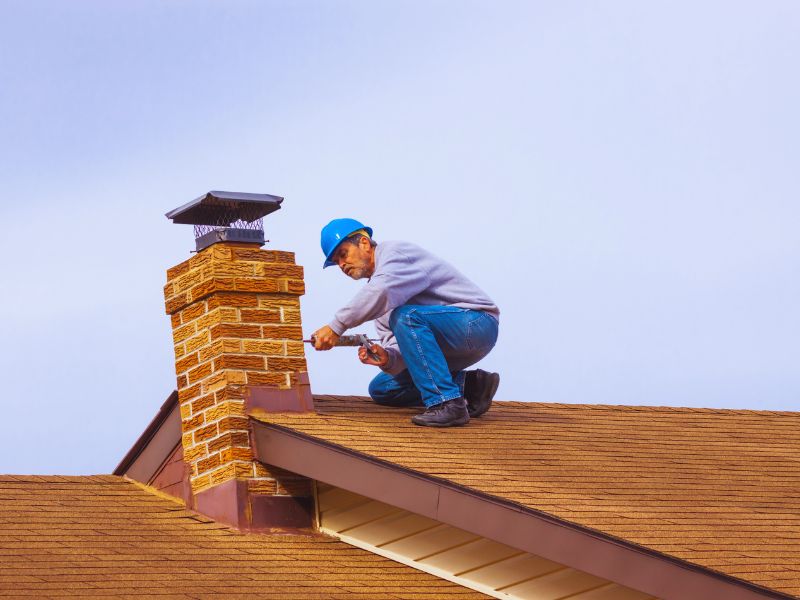
CHIMNEY DAMAGE THAT IS COVERED BY INSURANCE
When Homeowners Insurance WILL Cover Chimney Repair
Lightning Strikes and Fire Damage
Lightning is a standard covered peril. Damage such as cracked masonry, dislodged bricks, or fire damage caused by a strike is typically covered. Resulting damage to the roof or interior also falls under coverage.
Fallen Trees and Storm Debris
If a healthy tree falls during a storm and damages your chimney, insurance generally covers both removal and repairs. Sudden storm damage to chimney flashing or caps may also qualify.
Chimney Fires (With Caveats)
Chimney fires are usually covered as sudden events. Repairs to flue liners, masonry, and surrounding structures are included—unless the fire resulted from excessive creosote buildup due to neglected cleaning.
Weather-Related Sudden Damage
Tornadoes, hurricanes, hail, or heavy snow loads that cause sudden chimney damage may be covered. Some regions require separate wind or hurricane deductibles.
Vandalism or Impact
Intentional damage by third parties, or rare events like vehicle impact, are also covered under standard policies.
Key takeaway: If damage comes from an external, unpreventable force, homeowners’ insurance chimney repair coverage is likely, especially with good documentation.
CHIMNEY DAMAGE THAT IS NOT COVERED
When Homeowners Insurance WON’T Cover Chimney Repair
Normal Wear and Tear
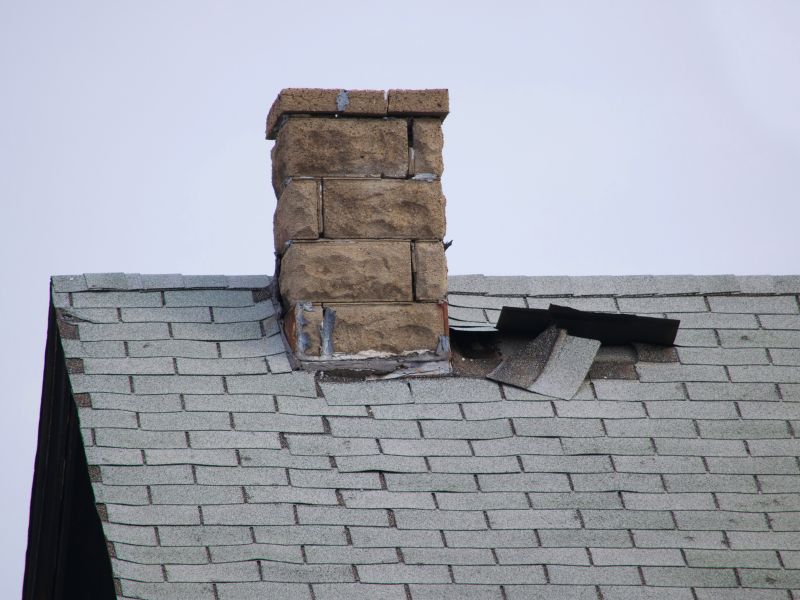
Normal Wear and Tear covers aging mortar, spalling bricks, rusted dampers, and cracked chimney crowns, all of which are considered routine maintenance issues rather than insurable events.
Maintenance-Related Problems
Maintenance-related problems include leaks caused by worn flashing, missing chimney caps, or blocked flues, which are usually denied because insurance policies assume homeowners handle routine upkeep and preventive maintenance.
Pre-Existing Structural Issues
Pre-Existing Structural Issues include poor original construction, gradual settling, or a chimney that has been leaning for years, and these conditions are typically not covered by standard homeowners’ insurance policies.
Gradual Water Damage
Gradual Water Damage refers to slow, ongoing leaks that lead to issues like mold or rot, which are typically excluded from coverage; only leaks caused by sudden storm events may qualify for insurance claims.
Flood Damage
Flood Damage is entirely excluded from standard homeowners’ insurance policies, meaning any damage caused by flooding is not covered unless a separate flood insurance policy is in place.
Neglect
Neglect refers to situations where obvious warning signs were ignored over time, and in these cases, insurers may deny coverage—even if the damage ultimately results in a sudden failure.
THE CRITICAL ROLE OF MAINTENANCE
Why Regular Chimney Maintenance Protects Your Insurance Coverage
Annual inspections and cleanings are more than safety measures—they protect your eligibility for coverage. Insurers expect reasonable upkeep. Documentation from certified chimney professionals can make or break a claim.
Maintenance costs ($125–$300 annually) are minimal compared to major repairs. More importantly, they help prove that any damage wasn’t caused by neglect—strengthening your case if you ever ask, will homeowners insurance cover chimney repair after a disaster?
COMMON CHIMNEY PROBLEMS: COVERED OR NOT?
Real-World Chimney Issues: Will Insurance Cover Them?
-
Storm-damaged flashing leak: ✅ Likely covered
-
Leaning chimney ignored for months: ❌ Not covered
-
Chimney fire with cleaning records: ✅ Covered
-
Crumbling mortar from age: ❌ Not covered
-
Lightning strike damage: ✅ Covered
These scenarios show how cause—not cost—determines coverage.
HOW TO FILE A CHIMNEY INSURANCE CLAIM
Step-by-Step: Filing a Successful Chimney Insurance Claim
Document damage immediately with photos and video. Prevent further damage with temporary fixes. Contact your insurer promptly, hire a certified chimney inspector, gather maintenance records, and obtain multiple repair estimates. Be present during the adjuster’s inspection and review settlement offers carefully.
COST BREAKDOWN: WHAT TO EXPECT
How Much Do Chimney Repairs Cost?
Common Repair Costs (2024-2025 Range)
Create a cost table:
| Repair Type | Cost Range | Insurance Coverage Likelihood |
|---|---|---|
| Minor repairs (pointing/sealing) | $160-$750 | Unlikely (maintenance) |
| Chimney cap replacement | $200-$500 | Depends on the cause |
| Flashing repair | $300-$1,500 | Covered in case of storm damage |
| Crown repair | $500-$2,000 | Depends on the cause |
| Chimney liner replacement | $1,500-$7,000 | Covered if fire damaged |
| Partial rebuild | $1,000-$3,500 | Covered if sudden damage |
| Full chimney replacement | $4,000-$15,000 | Covered if destroyed by covered peril |
| Tuckpointing/repointing | $500-$2,500 | Rarely covered (maintenance) |
Many minor repairs won’t exceed your deductible, making insurance claims impractical.
SPECIAL INSURANCE SITUATIONS
Special Coverage Scenarios to Understand
Special Coverage Scenarios to Understand are important because not all risks are automatically included in a standard homeowners insurance policy.
For example, wind damage from hurricanes or tornadoes may require a separate windstorm endorsement, while flood damage is typically excluded and always requires a dedicated flood insurance policy.
Mold remediation and related water damage often have limited coverage, so checking for specific endorsements is crucial.
Masonry coverage, such as for brick chimneys, may be limited or require additional riders to protect against cracking, spalling, or collapse.
Additionally, if you live in a community with a Homeowners Association (HOA), the HOA’s master insurance policy can affect whether certain repairs or liabilities fall on you or the association.
To avoid surprises, always review policy exclusions and endorsements carefully, ensuring you understand what is and isn’t covered before disaster strikes.
MAXIMIZING YOUR COVERAGE: EXPERT TIPS
How to Protect Your Investment and Insurance Coverage
Involves several key steps. First, schedule regular inspections of your chimney and roof to identify early signs of damage, deterioration, or potential hazards before they escalate.
Second, maintain proper documentation by keeping records of inspections, repairs, receipts, photos, and maintenance work—this evidence can be crucial when filing a claim.
Third, take the time to understand your insurance policy, including covered perils, exclusions, and limits, so there are no surprises during a claim.
Finally, practice proactive maintenance, such as cleaning chimneys, repairing minor cracks, replacing worn components, and removing debris, to prevent damage that could be denied by insurers.
Together, these steps help protect both your home and your ability to successfully claim coverage in the event of a covered disaster.

WHAT TO DO IF YOUR CLAIM IS DENIED
Handling a Denied Chimney Insurance Claim
Starts with requesting a written explanation from your insurer so you clearly understand the reason for the denial and the specific policy language being cited.
Next, gather additional evidence such as inspection reports, contractor assessments, photos, maintenance records, and weather data that support your claim.
If the denial appears incorrect or incomplete, file a formal appeal within the insurer’s stated deadline, addressing each reason for denial point by point.
When the claim involves significant damage or complex policy interpretation, consulting a licensed public adjuster or an insurance attorney can help you negotiate more effectively or pursue further legal remedies if necessary.
Final Thoughts
So, will homeowners insurance cover chimney repair? Yes—when damage is sudden, unexpected, and unavoidable. No, when age, neglect, or poor maintenance are the cause. The difference lies in preparation.
Annual inspections, proper documentation, and understanding your policy ensure you’re protected when disaster strikes. Insurance is a safety net, not a maintenance plan. The best defense is prevention, backed by records that prove you’ve done your part.
Take action now: schedule an inspection, review your coverage, and document your chimney’s condition. When the unexpected happens, you’ll be ready.
FAQS
-
Will homeowners insurance cover chimney repair?
Yes for sudden, covered perils; no for wear, age, or neglect.
2. How much does chimney repair cost?
$160–$15,000 depending on damage severity.
3. Are chimney leaks covered?
Only if caused by sudden storm damage.
4. Are chimney fires covered?
Usually, yes, unless caused by maintenance neglect.
5. Does insurance cover a leaning chimney?
Generally, no, unless a sudden external force caused it.