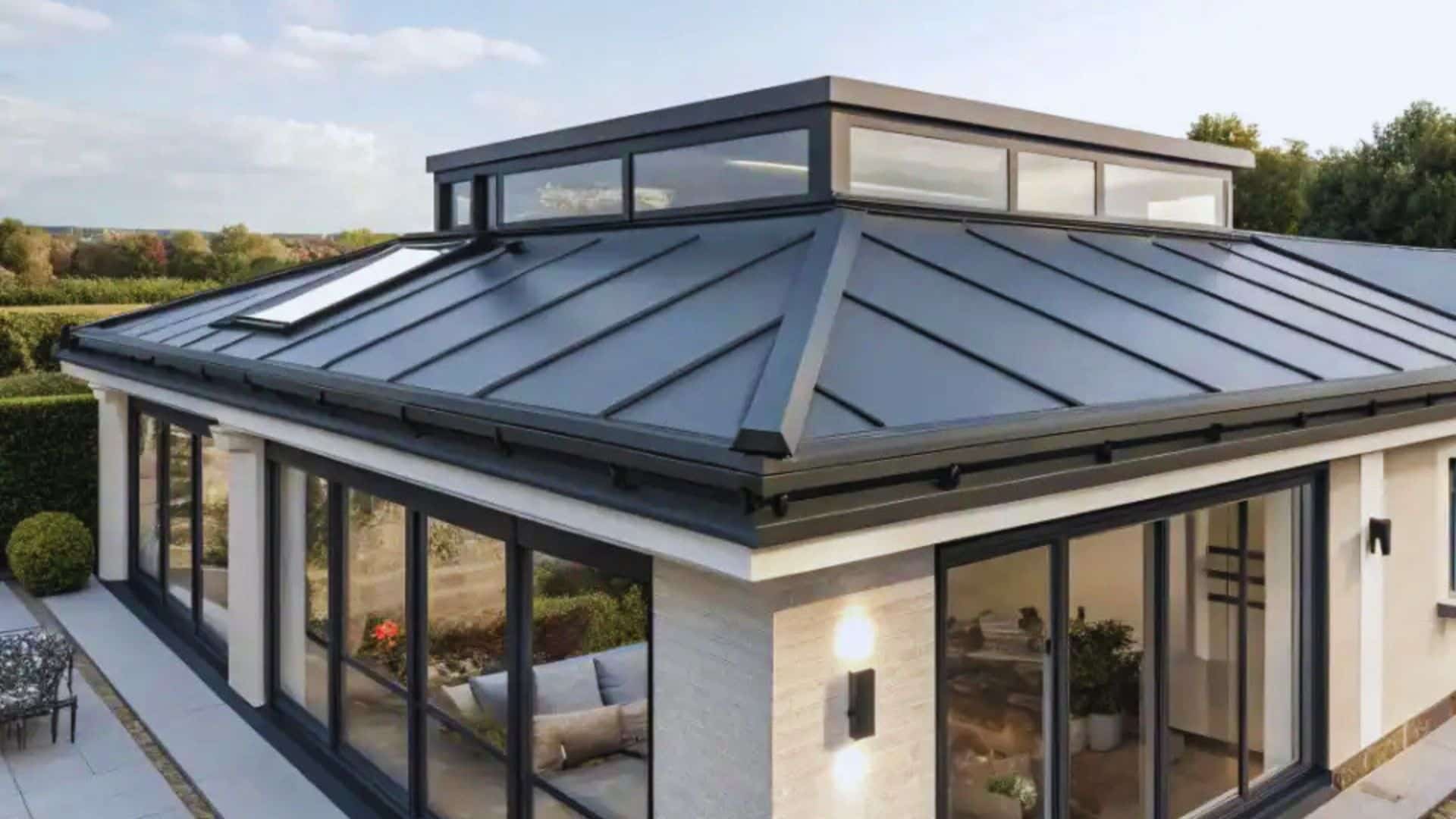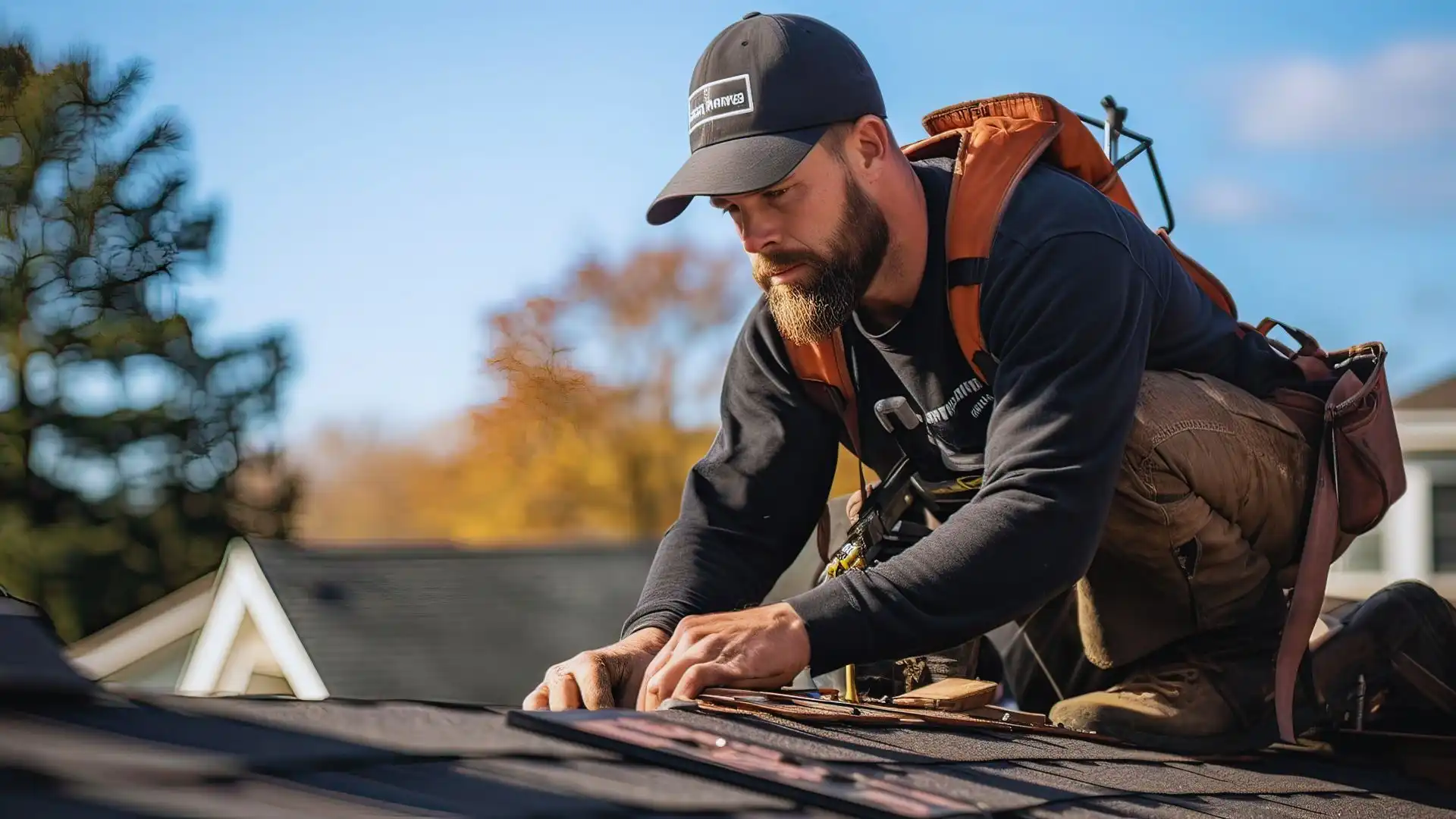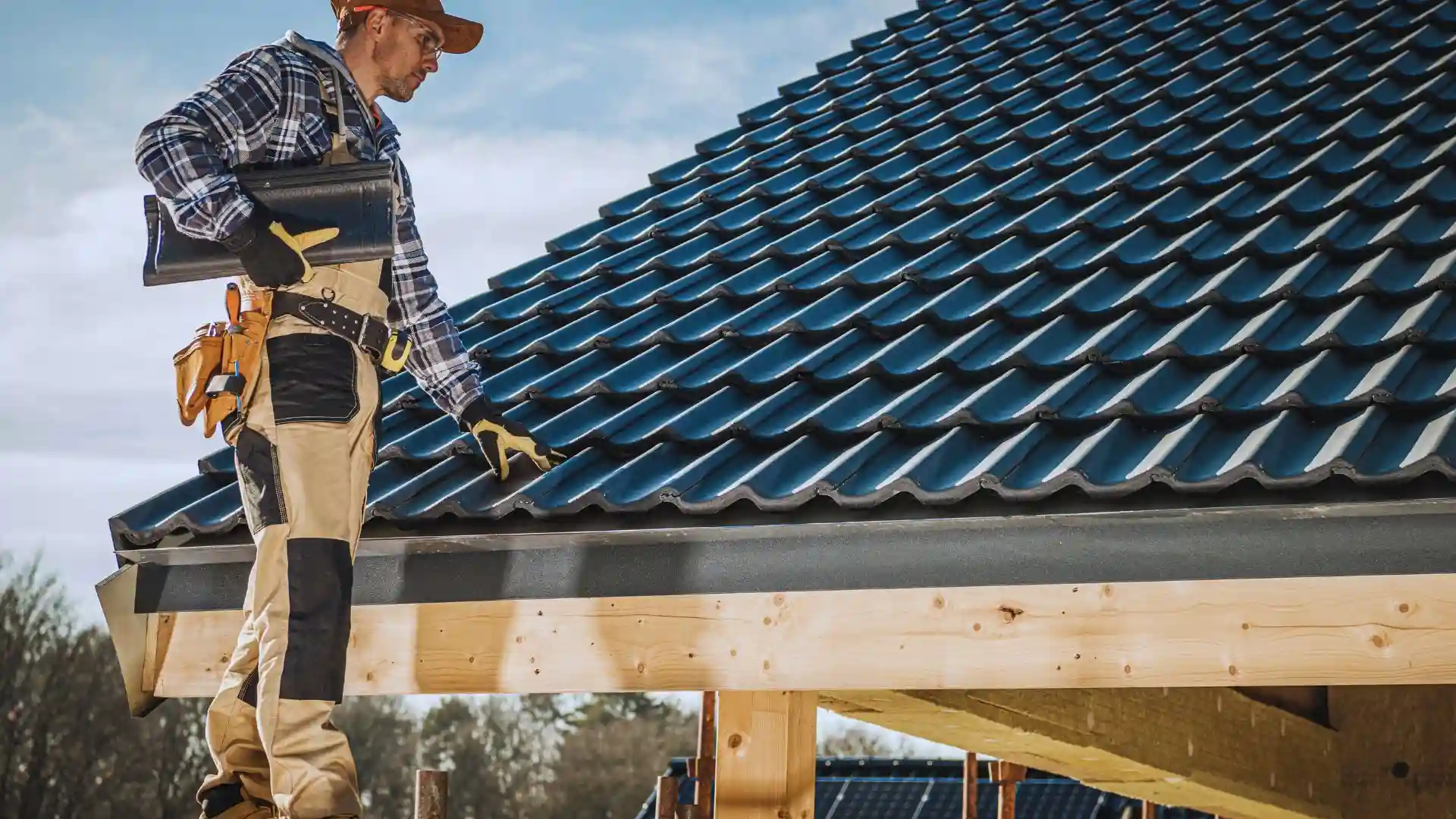
Most homeowners pay attention to shingles, windows, and walls—but the roofline often goes unnoticed. Fascias and soffits quietly protect your home every day, yet damage can progress for years before it’s obvious. These components may look decorative, but they play a vital role in shielding your house from weather, pests, and structural decay.
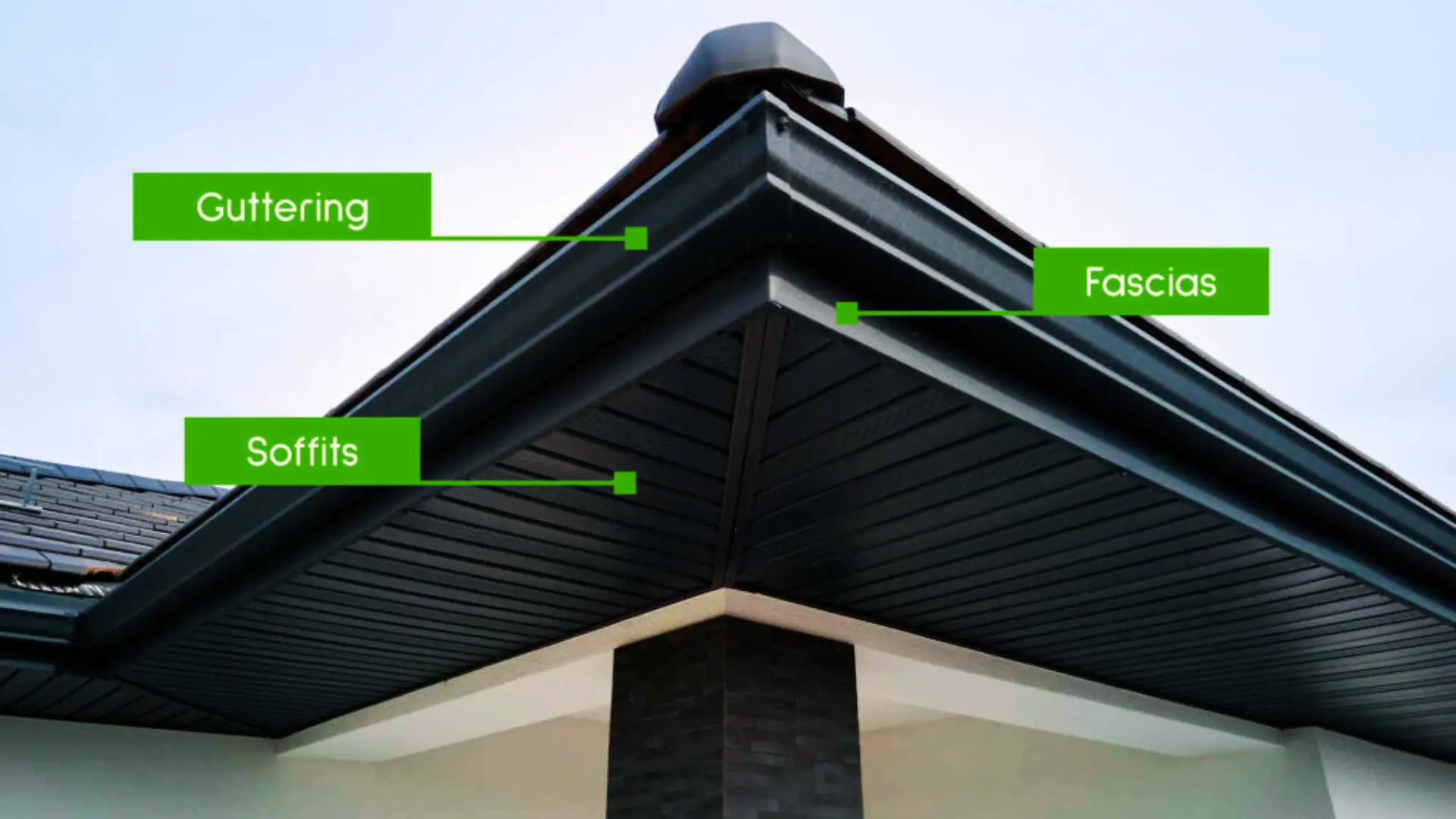
Fascias are the vertical boards running along the edge of your roof, while soffits are the horizontal panels tucked underneath the roof overhang. Together, they seal off vulnerable areas of your home. When they start to fail, problems like leaks, rot, and infestations can quickly follow.
This guide covers the most important warning signs homeowners should watch for, from peeling paint to gutter issues and ventilation problems. Recognizing the signs your fascias and soffits need replacing early can help you avoid costly repairs down the line. Acting early protects not just your roofline, but your entire home’s structure and long-term value.
Understanding Fascias and Soffits
The fascia is the vertical board attached to the edge of the roof, supporting the bottom row of tiles and holding the gutter system in place. It’s a key structural element that bears weight and directs water safely away from the roofline.
The soffit is the horizontal board beneath the roof overhang. Its primary role is ventilation—allowing fresh air into the attic while keeping moisture, debris, and pests out.
Together, fascias and soffits protect your roof structure, improve energy efficiency, and enhance curb appeal. With proper maintenance, they can last 20 years or more. However, once deterioration begins, damage often spreads faster than expected.
Critical Warning Signs
Sign #1: Peeling, Flaking, or Cracking Paint
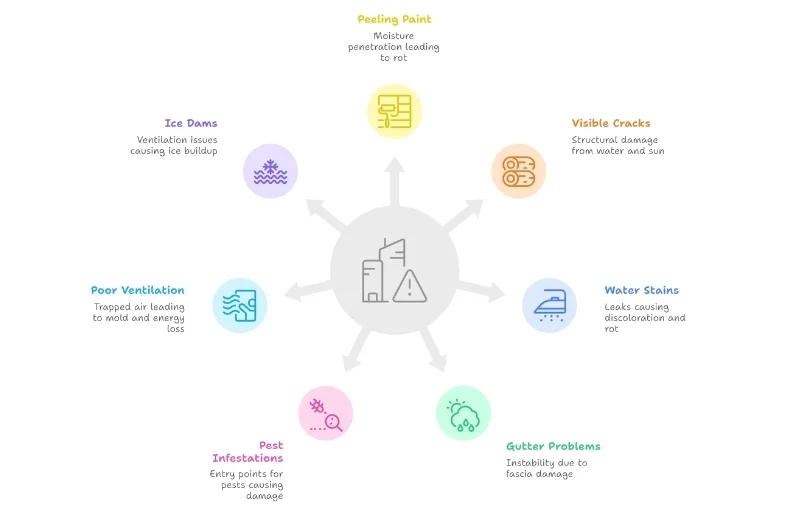
Paint acts as the first waterproof barrier for wooden fascias and soffits. When it starts peeling or cracking, moisture can penetrate the surface. This allows water to soak into the wood, setting the stage for rot.
Initially, repainting may solve the issue. But if paint continues to fail quickly, it often means water damage underneath. Left unchecked, rot can spread into rafters, trusses, and roof decking—turning a cosmetic issue into a structural one. Persistent paint failure is one of the earliest signs your fascias and soffits need replacing.
Sign #2: Visible Cracks or Structural Damage
Cracks, splits, sagging, or warped boards indicate deeper structural problems. Fascias must remain straight and strong to support gutters and the roof edge. Damage is commonly caused by prolonged water exposure, intense sun, and age-related wear.
If these issues are visible from ground level, the damage is usually advanced. Structural compromise at the roof edge can lead to gutter failure and water intrusion inside the home.
Sign #3: Water Stains, Leaks, or Rot
Discoloration, water marks, or dark patches on fascias and soffits often point to leaks. Soft or spongy wood is a clear sign that rot has already set in. Check exterior boards, attic spaces, and interior ceilings near the roofline.
Poor installation, cracks, or blocked drainage allow water to seep in. Beyond structural damage, trapped moisture promotes mold and mildew growth, posing health risks. If the wood crumbles when touched, replacement is usually unavoidable.
Sign #4: Gutter Problems and Instability
Gutters rely on the fascia for support. Sagging, pulling away, or overflowing gutters often signal fascia damage. In many cases, clogged or cracked gutters spill water directly onto the fascia, accelerating deterioration.
This creates a damaging cycle: weakened fascia can’t support gutters, and failing gutters cause more water damage. Persistent gutter issues are strong signs your fascias and soffits need replacing rather than simple gutter repair.
Sign #5: Pest Infestations
Holes, nests, droppings, or scratching sounds in the attic are red flags. Birds, squirrels, rodents, wasps, and insects exploit even small openings in damaged fascias and soffits.
These boards are designed as your home’s first defense against attic intrusion. Once breached, pests can cause structural damage, contaminate insulation, and spread disease. Multiple entry points often mean replacement is the safest solution.
Sign #6: Poor Ventilation and Increased Energy Bills
Soffits play a crucial role in attic ventilation. When vents are blocked or damaged, hot and humid air becomes trapped. This leads to higher indoor humidity, condensation, and rising energy bills as HVAC systems work harder.
Painted-over vents, warped panels, or broken soffits restrict airflow. Poor ventilation also increases the risk of mold growth, especially in warm or humid climates.
Sign #7: Ice Dams in Winter
In colder regions, ice dams forming along the roof edge can indicate ventilation problems. Melting snow refreezes at the fascia, blocking soffit vents. Water backs up under shingles and into soffits, adding weight and moisture stress to fascia boards.
Consequences of Ignoring Damage
Ignoring roofline damage can lead to widespread structural issues. Rot can spread from fascias into rafters and roof decking, requiring major repairs. Moisture buildup encourages mold and mildew, creating health hazards and expensive remediation.
Poor water drainage may even affect your foundation. Pest infestations add further repair costs, while deteriorated fascias and soffits reduce curb appeal and property value. Addressing issues early is far less expensive than full structural replacement later.
When to Repair vs. Replace
Repairs are suitable for surface-level issues like isolated peeling paint or small cracks. Replacement becomes necessary when rot is widespread, boards are sagging, or multiple areas show damage. Severe pest activity also calls for full replacement.
The best time to replace fascias and soffits is during roof work or immediately when serious damage is discovered. Many homeowners choose to upgrade from wood to low-maintenance uPVC or aluminum for longer lifespan and improved durability.
Over time, loose or corroded fasteners can compromise the strength of a metal roof and allow water to seep inside. Knowing how to replace metal roof screws helps prevent leaks, improves roof stability, and extends the lifespan of the entire roofing system.
Conclusion
Regular roofline inspections are essential for protecting your home. Small warning signs can quickly escalate into major structural problems if ignored. By watching for the signs your fascias and soffits need replacing, homeowners can act early and avoid costly damage.
If you notice any of these issues, a professional assessment provides clarity and peace of mind. Proactive maintenance not only saves money but also preserves your home’s comfort, safety, and long-term value.
Follow us on Facebook.
FAQs
1. How often should fascias and soffits be inspected?
At least once a year, and after major storms, to catch early damage before it spreads.
2. Can damaged fascias cause roof leaks?
Yes. Water can enter through rotten fascias and spread into roof decking and rafters.
3. Are uPVC fascias better than wood?
uPVC resists rot, needs less maintenance, and often lasts longer than wood.
4. Do soffits really affect energy bills?
Yes. Poor soffit ventilation traps heat and moisture, making HVAC systems work harder.
5. Is replacement always necessary if there’s rot?
Minor rot may be repairable, but widespread or soft wood usually requires replacement.