Extreme temperatures are no longer rare events. Record-breaking heat waves and harsher winters are becoming more frequent, placing unprecedented stress on residential roofing systems. Whether it’s scorching summer heat or prolonged freezing conditions, temperature extremes affect roofing materials in very different and often damaging ways.
High temperatures accelerate material breakdown, while extreme cold increases brittleness and moisture-related issues. Over time, these conditions can shorten a roof’s lifespan dramatically if left unmanaged. Roofing professionals consistently report that proactive care can extend a roof’s usable life by 5 to 10 years, even in harsh climates.
This guide to roofing maintenance for extreme temperatures focuses on a dual strategy: protecting your roof during intense heat and preparing it to withstand severe cold. Backed by industry standards and best practices used by professional roofers, this article explains how temperature extremes cause damage, what maintenance steps matter most, and how homeowners can prevent costly repairs.
Understanding how your roof reacts to climate stress is the first step toward long-term protection and smarter home maintenance.
How Extreme Temperatures Affect Your Roof
Extreme Heat Damage
Extreme heat is one of the most aggressive enemies of roofing systems. Constant UV radiation breaks down asphalt, dries out sealants, and weakens protective coatings. Over time, shingles lose flexibility and become brittle.
Daily temperature swings—hot afternoons followed by cooler nights—cause thermal shock, forcing materials to expand and contract repeatedly. This leads to curling, buckling, and cracking. Granule loss is also common, reducing UV protection and accelerating aging.
Metal roofs face expansion challenges, where fasteners loosen and seams weaken. On flat roofs, membrane blistering and bubbling occur when trapped moisture heats up and expands beneath the surface.
Extreme Cold Damage
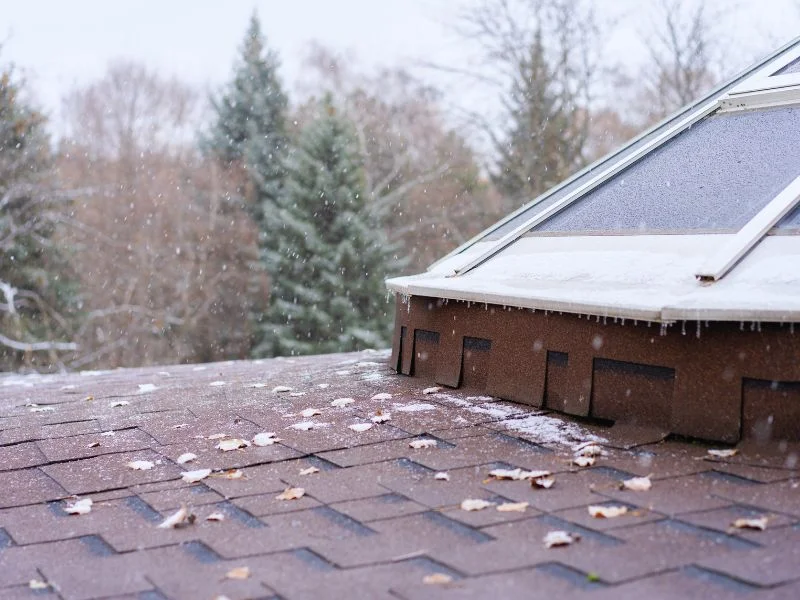
Cold weather creates a different set of problems. Roofing materials become stiff and brittle, making them more vulnerable to cracking under stress. Freeze-thaw cycles allow moisture to enter small gaps, expand when frozen, and widen those gaps further.
They block proper drainage, forcing water back under shingles and into the roof deck. Heavy snow loads add structural stress and, in severe cases, risk partial collapse.
Cold temperatures also increase wind vulnerability, as frozen materials resist flexing and tear more easily during storms.
Materials Most Vulnerable
-
Asphalt shingles (highly temperature-sensitive)
-
Flat roof membranes
-
Sealants and adhesives
-
Flashing and fasteners
| Material | Heat Tolerance | Cold Tolerance |
|---|---|---|
| Asphalt shingles | Moderate | Low |
| Metal roofing | High | High |
| Clay/concrete tile | High | Moderate |
| Rubber membranes | Moderate | Low |
Essential Maintenance for Extreme Heat
Extreme heat poses serious challenges for roofing systems, accelerating material deterioration and increasing the risk of leaks, warping, and structural damage. Proactive maintenance is essential to protect your investment and extend the roof’s lifespan in hot climates.
Inspection Priorities
Regular inspections are the first line of defense. Schedule at least two inspections per year—spring and fall—and additional checks after prolonged heat waves. High temperatures can exacerbate hidden problems, so early detection is key.
Homeowners and professionals should look for the following signs of heat damage:
-
Curled or cupped shingles – indicate shingles are drying out and losing flexibility.
-
Excessive granule buildup in gutters – a sign that hingles are wearing prematurely.
-
Blisters, bubbles, or cracks – common on flat or low-slope roofs exposed to intense sun.
-
Warped or sagging roof sections – may indicate underlying decking or structural stress.
Detecting these issues early prevents minor heat-related damage from becoming costly repairs or structural problems.
Attic Ventilation and Insulation
Proper attic ventilation and insulation are critical for minimizing heat stress. Poor ventilation traps hot air in the attic, raising temperatures and “baking” roofing materials from underneath. Essential components include:
-
Soffit and ridge vents for continuous airflow
-
Baffles to prevent insulation from blocking vent openings
-
Balanced intake and exhaust airflow to regulate temperature
Spray foam insulation beneath the roof decking helps reduce heat transfer, and attic temperature monitoring ensures that ventilation is effective. In particularly hot regions, powered attic fans can provide active cooling, reducing roof surface temperatures and protecting roofing materials.
Reflective Solutions
Reflective roofing options help mitigate heat buildup by reflecting sunlight away from the roof surface. Consider:
-
Cool roof coatings – applied over shingles or metal roofs to reduce heat absorption
-
Reflective shingles – specially manufactured to reflect UV rays
-
White elastomeric coatings – ideal for flat or low-slope roofs
These solutions can reduce roof temperatures by up to 50°F, improve indoor comfort, and lower cooling costs by 15–30%, providing both energy and material savings.
Protective Measures
Additional heat-prevention steps include:
-
Tree trimming – strategic shading without excessive debris accumulation
-
Regular debris removal – prevents moisture retention and heat trapping
-
Gutter maintenance – ensures proper drainage and prevents heat-related water damage
-
Flashing and sealant inspection – protects vulnerable joints from heat and UV exposure
Installing solar panels can further benefit your roof by providing shade while generating energy, reducing both temperature stress and utility costs. Combining these measures ensures your roof remains durable and energy-efficient, even under extreme heat conditions.
Essential Maintenance for Extreme Cold
Extreme cold places intense stress on roofing systems, and many winter failures begin as small, unnoticed issues during fall. Proper preparation and consistent maintenance are the best defenses against cold-related roof damage.
Pre-Winter Inspection Checklist
A thorough inspection should be scheduled in late fall, before the first freeze. Cold temperatures make materials brittle, so existing weaknesses worsen quickly once winter sets in. Start by checking for loose, cracked, or missing shingles, as these allow moisture to penetrate and freeze beneath the surface. Inspect flashing around chimneys, vents, skylights, and valleys, since these areas are common entry points for water.
Pay close attention to cracked seals and aging caulking, which often fail under freeze–thaw cycles. Finally, assess the roof’s overall structure for soft spots, sagging areas, or signs of water damage. Many cold-weather roofing failures originate from minor issues that could have been repaired easily before winter.
Ice Dam Prevention
Ice dams form when heat escaping from the attic melts roof snow, which then refreezes at the eaves and blocks drainage. Preventing them requires addressing the root causes—not just the symptoms. Proper attic insulation is essential, with a minimum R-49 recommended in cold climates. Insulation helps keep roof temperatures consistent and prevents uneven melting.
Consistent attic ventilation allows cold air to circulate, reducing heat buildup. Soffits must be insulated correctly without blocking airflow. Heated cables can help in chronic problem areas, but they should only supplement, not replace, proper insulation and ventilation strategies.
Snow Management
Snow removal becomes necessary when accumulation exceeds approximately 2 feet, as excessive weight can stress the roof structure. Use roof rakes from the ground and remove snow evenly to prevent imbalance. Never use metal shovels or sharp tools, which can puncture shingles or membranes.
For steep, high, or multi-story roofs, professional snow removal is safer and more effective. Professionals understand load distribution and reduce the risk of accidental damage or injury.
Cold-Weather Specific Tasks
Before winter, clean gutters and downspouts to ensure proper drainage when snow melts. Confirm that water flows away from the foundation to prevent ice buildup. Monitor attic spaces throughout winter for moisture, frost, or leaks, and keep emergency tarps on hand for sudden storm damage. Consistent cold-weather roofing maintenance greatly reduces the risk of unexpected winter failures.

Year-Round Maintenance Best Practices
Regular Inspection Schedule
Biannual professional inspections are ideal, supplemented by homeowner checks after storms or seasonal transitions. Homeowners can safely inspect from the ground, while professionals handle close-up evaluations.
Preventive Maintenance Tasks
-
Keep gutters clean
-
Trim overhanging branches
-
Replace damaged shingles promptly
-
Renew sealants every 2–3 years
-
Document the roof condition with photos
These steps form the foundation of effective roofing maintenance for extreme temperatures.
Professional vs. DIY
DIY maintenance saves money but comes with safety risks. Call professionals for steep roofs, structural concerns, or widespread damage. Preventive professional care often costs less than emergency repairs.
Climate-Specific Considerations
Regional Strategies
Climate plays a major role in how roofing systems perform over time, so maintenance strategies should match local conditions. In hot, dry climates, prolonged sun exposure and large temperature swings make UV-resistant materials and strong ventilation essential to prevent cracking and premature aging. Hot, humid climates create ideal conditions for mold and algae growth, making moisture control, mold-resistant underlayment, and proper airflow critical for roof health.
In cold, snowy regions, the primary threats are ice dams, heavy snow loads, and freeze–thaw cycles. Ice-dam prevention systems, proper insulation, and balanced attic ventilation help reduce water intrusion and structural stress. Variable climates, where temperatures fluctuate widely throughout the year, demand roofing systems that can expand and contract without cracking. Impact-resistant and flexible materials perform best in these environments.
Material Selection for Your Climate
Choosing the right roofing material is just as important as maintenance. Metal roofing performs reliably across most climates due to its durability and temperature resistance. Asphalt shingles work best in moderate regions, while tile roofing excels in hot environments. Balancing upfront cost with lifespan and climate suitability is key to long-term roof maintenance success.
Warning Signs That Require Immediate Action
Certain roofing issues signal urgent problems that should never be ignored. Interior leaks or water stains on ceilings and walls often indicate water has already penetrated the roofing system, potentially damaging insulation, framing, and drywall. Sagging roof sections are especially serious, as they may point to structural weakness caused by long-term moisture exposure or excessive weight from snow or debris.
Heavy granule loss in gutters or around the home suggests shingles are deteriorating and losing their protective layer, making the roof vulnerable to UV damage and leaks. Likewise, multiple cracked or missing shingles expose the roof deck directly to the weather. In cold climates, ice dams accompanied by interior water damage require immediate attention, as they can rapidly worsen during freeze–thaw cycles.
Seeing daylight through the attic is a clear sign of holes or separation in roofing materials. Sudden spikes in energy bills may indicate compromised insulation or ventilation due to roof damage. Finally, if your roof has exceeded its material lifespan, proactive action is critical. Ignoring these warning signs often leads to extensive structural damage and significantly higher replacement costs.

Cost-Saving Maintenance Strategies
Preventive maintenance offers one of the highest returns on investment in home care by catching small issues before they turn into expensive repairs or premature replacement. Simple, safe DIY tasks such as cleaning gutters, removing debris, and performing visual inspections from the ground help prevent water buildup and hidden damage. However, professional maintenance quickly pays for itself when it identifies ventilation problems, insulation gaps, or early material failure that homeowners may miss.
Many insurance policies and manufacturer warranties require proof of regular maintenance, making documentation especially important. Skipping routine care can void coverage when you need it most. Setting aside a modest annual budget for roof upkeep spreads costs over time, reduces emergency repair expenses, and helps ensure your roofing system reaches or exceeds its expected lifespan.
Final Thoughts
Extreme heat and cold each present unique challenges that can significantly shorten a roof’s lifespan if ignored. Proactive care is far more effective—and affordable—than reactive repairs after damage occurs.
By following proper roofing maintenance for extreme temperatures, homeowners can protect materials, prevent moisture intrusion, and maintain energy efficiency year-round. Consistent inspections, climate-appropriate materials, and timely professional support can extend roof life by up to a decade.
Schedule inspections before extreme seasons arrive, and view roof maintenance as an investment—not an expense. A well-maintained roof today prevents costly replacements tomorrow.
FAQs
1. How often should I inspect my roof for temperature damage?
Inspect twice yearly and after extreme heat waves or heavy winter storms.
2. Can I perform roof maintenance myself in extreme temperatures?
Minor tasks are fine, but extreme heat or icy conditions increase safety risks.
3. What’s the ideal temperature range for roof repairs?
Most roofing work is best done between 40°F and 85°F.
4. How do I know if my attic ventilation is adequate?
High attic temperatures, ice dams, or moisture buildup indicate poor ventilation.
5. Should I remove all snow from my roof?
Only heavy accumulations—removing all snow can damage roofing materials.