Few things are as frustrating as looking up at your home and noticing roof shingles that look faded, blotchy, or mismatched from past repairs. A roof plays a major role in curb appeal, and discoloration can make an otherwise well-maintained house look neglected. Naturally, many homeowners wonder whether painting roof shingles is a practical way to refresh their roof without the expense of a full replacement.
The short answer is yes, you can paint roof shingles, but it’s not always the best solution for every roof or situation. Painting can improve appearance, extend usability, and even help with energy efficiency, but it also comes with maintenance demands and potential risks if done incorrectly.
In this guide, you’ll learn when painting makes sense, when it doesn’t, and how to do it the right way. We’ll cover the pros and cons, costs, step-by-step instructions, best paint options, and long-term maintenance expectations so you can make an informed decision before committing time or money.
Can You Paint Roof Shingles? (What You Need to Know First)
Yes, you can paint roof shingles but only under the right conditions. Asphalt shingles are the most commonly painted type, while materials like wood shakes, slate, or clay tiles are usually poor candidates due to absorption or durability issues.
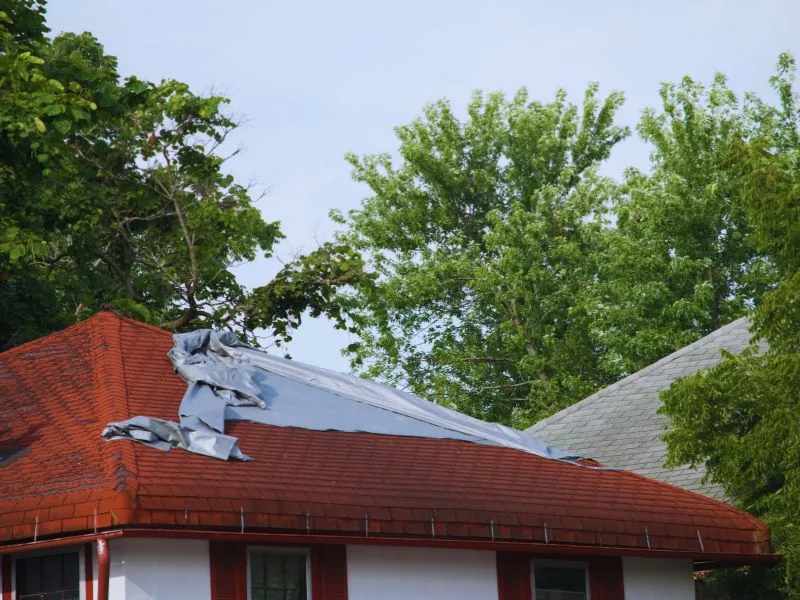
Painting makes sense when shingles are structurally sound but visually worn. If your roof has no active leaks, minimal granule loss, and plenty of life left, painting can be a cosmetic upgrade. Many homeowners choose to paint roof shingles to unify color after partial repairs or to modernize the home’s exterior.
However, painting is not universally recommended by roofing professionals. Some manufacturers discourage it because paint can interfere with shingle breathability and void warranties. Others point out that paint doesn’t repair underlying damage—it only covers it.
In short, painting works best as a temporary, appearance-focused solution, not as a substitute for replacement. A professional inspection is critical before making a decision, especially if the roof is older or has a history of water problems.
Pros of Painting Roof Shingles
Cost Savings
One of the biggest advantages of painting is affordability. A full roof replacement can cost $150 to $1,500 per square (100 square feet), depending on materials and labor. In contrast, painting typically costs around $1,000 for an average-sized roof, making it a budget-friendly way to improve appearance.
For homeowners preparing to sell or looking to enhance curb appeal quickly, painting offers an immediate visual upgrade without a major financial commitment.
Extended Roof Lifespan
High-quality acrylic coatings can add a layer of protection against UV rays, wind, and moisture. UV-resistant acrylic latex coatings slow down sun damage, helping shingles maintain flexibility longer.
While paint won’t restore damaged shingles, it can reduce surface wear and delay deterioration when applied to a healthy roof. This extra layer helps shield shingles from harsh environmental exposure.
Improved Energy Efficiency
Reflective colors can significantly reduce heat absorption, especially on darker roofs. Lighter coatings reflect sunlight, lowering attic temperatures and reducing cooling costs during hot months.
This benefit is particularly noticeable in warm climates where cooling expenses are high. Energy-efficient roof shingle paint can improve comfort while easing strain on HVAC systems.
Aesthetic Customization
It’s also useful for correcting uneven coloring caused by partial shingle replacements.
From modern charcoal tones to lighter energy-saving shades, painting offers flexibility that replacement shingles may not, especially when exact color matches are unavailable.
Cons of Painting Roof Shingles
High Maintenance Requirements
Painted roofs require ongoing care. Annual inspections are necessary to catch peeling or bubbling early. Touch-ups are often needed every few years, and complete repainting may be required every 4–7 years.
Repainting usually involves stripping or cleaning old layers first, adding time and cost over the long term.
Risk of Moisture Damage
Improper paint selection or application can trap moisture beneath shingles. This trapped moisture may lead to rot, mold, or mildew over time.
Ensuring the roof is completely dry before painting—and using breathable coatings—is critical to preventing long-term damage.
Safety Hazards
Roof painting involves working at heights, often on sloped surfaces. Without proper equipment and experience, falls and injuries are real risks.
This is why many experts recommend professional help, especially for multi-story homes or steep roofs.
Not a Structural Fix
Paint does not repair cracked shingles, leaks, or decking issues. Worse, it can mask serious problems that continue to worsen beneath the surface.
Additionally, painting may void manufacturer warranties, eliminating coverage for future defects.

How to Paint Roof Shingles: Step-by-Step Guide
Get a Professional Roof Inspection
A professional inspection identifies leaks, soft spots, granule loss, and ventilation problems. Inspectors determine whether the roof is a safe candidate for painting or if replacement is more appropriate.
Painting should never proceed if structural issues are present.
Make Necessary Repairs
Replace damaged or missing shingles before painting. Secure loose shingles and address flashing or decking problems.
Skipping repairs can lead to paint failure and water damage later.
Clean the Roof Thoroughly
Use low-pressure power washing to remove dirt, moss, and algae. A 50/50 bleach-water solution helps eliminate stubborn growth.
Protect nearby plants and allow the roof to dry completely—this step is critical for adhesion.
Apply Primer
Primer improves adhesion and seals porous surfaces. Use a multi-surface exterior or bonding primer designed for asphalt shingles.
Apply evenly and allow full drying before painting.
Paint Application
Choose 100% acrylic latex designed for roofing. Products like Behr Multi-Surface Roof Paint or Sherwin-Williams Resilience are commonly recommended.
Apply using a sprayer for even coverage or a roller for control. Work top to bottom in thin coats. Two to three coats are typical, with 24–48 hours of drying between layers.
Inspection and Touch-ups
After drying, inspect for thin spots or missed areas. Address imperfections immediately to ensure uniform coverage.
Best Paint for Roof Shingles
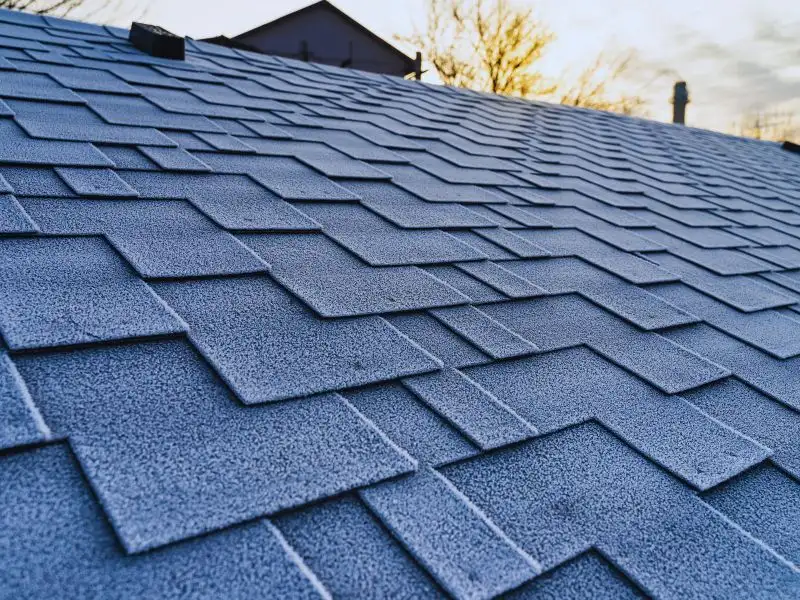
Choosing the right paint is critical to the success and longevity of a painted roof. These paints are designed to be breathable, allowing trapped moisture to escape while still forming a protective barrier against rain and humidity. Breathability is essential to prevent rot, mold, and premature shingle deterioration.
Strong UV resistance is another must-have feature. Roofs receive constant sun exposure, and without UV-resistant pigments, paint will fade, chalk, and break down quickly. High-quality acrylic roof paints help reduce surface temperature, slow aging, and maintain color consistency over time. In regions with extreme heat, heavy rainfall, or wide temperature swings, elastomeric coatings are often recommended. These flexible coatings expand and contract with the roof, reducing cracking and extending durability.
Certain products should always be avoided. Oil-based paints, standard exterior house paints, and spray paints are not designed for roofing materials. They tend to crack under temperature changes, trap moisture beneath the shingles, and fail much sooner than roof-specific coatings.
Trusted manufacturers include Behr and Sherwin-Williams, both of which offer roof-approved acrylic coatings. Specialized elastomeric roof paints designed for asphalt shingles are also excellent options when climate conditions demand added protection.
Cost to Paint Roof Shingles
The cost to paint roof shingles varies based on whether you take a DIY approach or hire a professional, as well as the size and condition of the roof. For homeowners who choose to do the work themselves, expenses include paint, primer, roof cleaners, safety gear, and equipment rentals such as paint sprayers. Material costs alone typically range from $300 to $800, depending on paint quality and roof square footage. While DIY painting reduces labor costs, it does require a significant time investment and assumes the risk of mistakes or safety issues.
Professional roof painting costs generally fall between $1,000 and $3,000 for an average home. Prices increase for steep slopes, multi-story roofs, extensive surface preparation, or roofs in poor condition. Geographic location also plays a role, as labor rates vary by region. Professional services usually include cleaning, minor repairs, priming, paint application, and post-job inspection, which adds value and durability.
When compared to full roof replacement—which can cost tens of thousands of dollars—painting offers noticeable short-term savings. However, it’s important to factor in ongoing maintenance expenses such as touch-ups and eventual repainting every few years. Over time, these recurring costs may narrow the price gap between painting and replacement, especially for aging roofs.

When NOT to Paint Your Roof Shingles
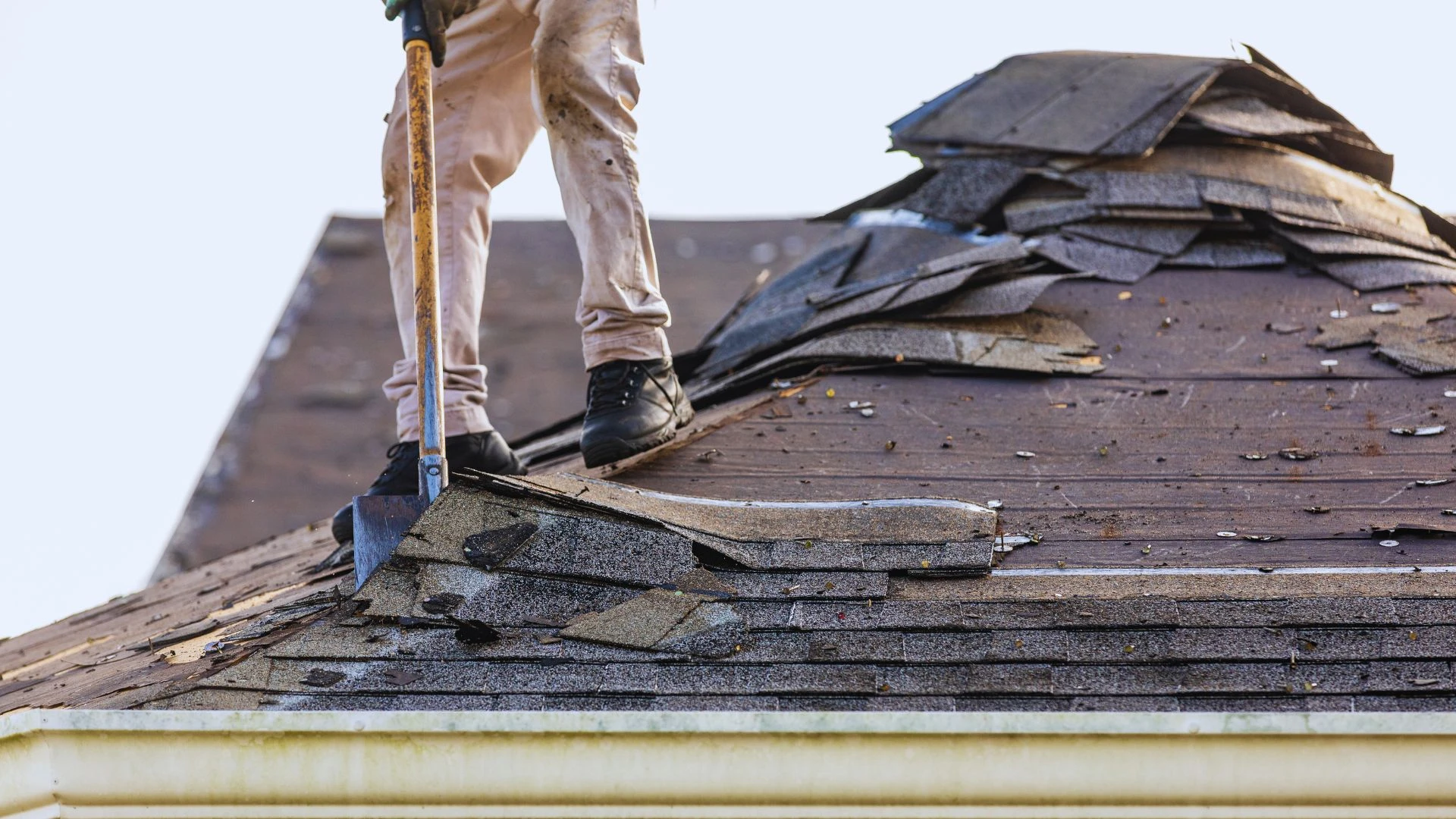
Painting is not always the right solution, and in some cases, it can make existing problems worse. You should not paint your roof if shingles are curling, cracking, loose, or missing. These conditions indicate structural deterioration that paint cannot fix. Extensive granule loss is another major red flag, as granules protect shingles from UV damage; once they are gone, the shingles are already failing.
Active leaks or signs of water damage, such as stains in the attic, soft decking, or mold growth, automatically disqualify a roof from painting. Applying paint over moisture-related problems can trap water beneath the shingles, accelerating rot, mildew, and long-term structural damage.
Age is another critical factor. If an asphalt roof is nearing the end of its expected lifespan, typically around 15–20 years, painting is usually a poor investment. At this stage, replacement provides better long-term value and eliminates the risk of hidden issues worsening under a painted surface.
Severe storm damage from hail, high winds, or fallen debris also makes painting inappropriate until full repairs or replacement are completed. Additionally, some homeowner’s associations (HOAs) restrict roof color changes, and local building codes or manufacturer warranties may prohibit painting altogether. Always verify regulations and roof condition before proceeding.
Maintenance for Painted Roof Shingles
Proper maintenance is essential to preserve the appearance and performance of painted roof shingles. At a minimum, homeowners should inspect the roof once a year, ideally in spring or fall, to look for early signs of wear such as peeling, bubbling, cracking, or chipping. Catching these issues early allows for small touch-ups instead of costly repairs later.
Climate plays a major role in how long painted shingles last. Extreme heat, heavy rainfall, snow, and high humidity can all accelerate paint breakdown. In hot or humid regions, UV exposure and moisture can cause fading and adhesion loss more quickly, making more frequent inspections necessary.
Touch-ups are commonly needed every two to three years, especially in high-exposure areas such as roof ridges and slopes that receive direct sunlight. A full repaint is typically required every four to seven years, depending on paint quality, application method, and local weather conditions.
Shaded sections of the roof deserve extra attention, as they tend to retain moisture longer and are more prone to algae, mildew, and premature paint failure. Keeping gutters clear, trimming overhanging branches, and ensuring proper roof ventilation can significantly extend the life of a painted roof and reduce maintenance demands.

Painting Roof Shingles: DIY vs. Hiring a Professional
| Factor | DIY Painting Roof Shingles | Hiring a Professional |
|---|---|---|
| Upfront Cost | Lower labor costs but higher personal time investment | Higher initial cost, labor included |
| Safety | Requires ladders, harnesses, stabilizers, and experience working at heights | Trained crews with professional safety systems |
| Skill Level | Steep learning curve; mistakes are common | Expertise in roof materials, coatings, and techniques |
| Time Commitment | Several days, including prep, drying, and cleanup | Typically completed faster and more efficiently |
| Equipment Needed | Paint sprayers, ladders, safety gear, and cleaning tools | Commercial-grade equipment provided |
| Quality of Finish | Varies; uneven coats or peeling are more likely | Even coverage with proper adhesion |
| Risk of Damage | Higher risk of moisture trapping or shingle damage | Lower risk due to correct product use and application |
| Best For | Small, low-slope roofs with experienced DIYers | Steep, tall, complex, or aging roofs |
| Long-Term Results | Shorter lifespan if errors occur | Longer-lasting, more durable finish |
| Peace of Mind | Limited—homeowner assumes all risk | Highly licensed, insured professionals handle the work |
Final Thoughts
Painting roof shingles is possible, but it requires careful evaluation and realistic expectations. It’s a temporary solution best suited for structurally sound roofs that need a visual refresh—not a substitute for replacement.
Using proper materials, thorough preparation, and correct techniques is essential for success. Before making a decision, schedule a professional inspection to determine whether painting or replacement is the smarter long-term investment for your home.
FAQs
1. Can you paint asphalt roof shingles?
Yes, if they’re in good condition and properly cleaned, primed, and painted with breathable acrylic coatings.
2. How long do painted roof shingles last?
Typically 4–7 years with proper prep, quality paint, and regular maintenance.
3. Does painting a roof cause leaks?
It can if moisture is trapped or damaged shingles are painted over.
4. What color roof paint is best for energy savings?
Light, reflective colors reduce heat absorption and cooling costs.
5. Will painting shingles void the warranty?
Often yes. Always check the manufacturer’s warranty terms before painting.