
Roof problems rarely start as disasters. They begin quietly—one loose shingle, a small crack in flashing, or a slow drip hidden in the attic. Unfortunately, many homeowners ignore these early warning signs until the damage becomes expensive and unavoidable. By then, what could have been a simple repair often turns into structural damage, mold growth, or even a full roof replacement.
Early detection is one of the most effective ways to protect your home and your budget. A well-maintained roof doesn’t just keep rain out; it preserves insulation, supports energy efficiency, and protects the structural integrity of the entire house. The sooner issues are discovered, the easier—and cheaper—they are to fix.
This guide focuses on identifying roof problems early so homeowners can take action before minor issues escalate. You’ll learn when and how to inspect your roof, what warning signs to look for inside and outside your home, common problems by roof type, and when it’s time to call a professional. Whether your roof is brand new or over 15 years old, this article will help you extend its lifespan and avoid costly surprises.
Why Early Roof Problem Detection Matters
A. The Cost of Delayed Action
Small roof issues are affordable to fix—large ones are not. Replacing a few damaged shingles or resealing flashing may cost a few hundred dollars. Waiting too long can result in repairs costing thousands or even tens of thousands due to water damage, rotted decking, mold remediation, and interior repairs.
Water intrusion escalates quickly. Once moisture enters the roof system, it can soak insulation, weaken wooden structures, and create ideal conditions for mold. These hidden issues often spread before visible signs appear inside the home. Delayed repairs also affect property value and can complicate insurance claims, especially if insurers determine the damage resulted from neglect rather than a sudden event.
Roof damage also impacts energy efficiency. Gaps, moisture, and compromised insulation allow conditioned air to escape, driving up heating and cooling costs year-round.
B. Roof Lifespan Extension
Preventive maintenance significantly extends roof life. Asphalt shingle roofs typically last 20–30 years, metal roofs 40–70 years, tile roofs 50+ years, and flat roofs 15–25 years. Regular inspections help roofs reach—or exceed—their expected lifespan.
The return on investment for inspections is high. Spending modest amounts on routine checks and minor repairs helps homeowners avoid premature roof replacement and protects long-term property value.
When to Inspect Your Roof
A consistent inspection schedule is essential. Most professionals recommend inspecting your roof at least twice a year—once in the spring and once in the fall. These seasonal checks help catch damage caused by winter storms or summer heat before it worsens.
Additional inspections should be done after major weather events such as hailstorms, high winds, hurricanes, heavy snowfall, or prolonged heat waves. These conditions stress roofing materials and often cause hidden damage.
Roof inspections are also critical before buying or selling a home. For older roofs—especially those over 10 to 15 years old—inspection frequency should increase. Aging materials are more prone to failure and benefit greatly from early intervention.
Exterior Warning Signs: What to Look for from the Ground
A. Shingle and Roofing Material Damage
From the ground, look for missing, cracked, or curling shingles. Blistered or bubbling shingles often indicate trapped moisture or UV damage. Excessive granules in gutters or downspouts suggest shingle deterioration. Bare or bald patches are signs the shingles are nearing the end of their life.
Tile roofs may show broken, cracked, or slipped tiles, while metal roofs may exhibit visible rust or discoloration—especially around fasteners and seams.
B. Structural Warning Signs
A sagging roof deck or visible dips in the roofline indicate structural issues that require immediate attention. Uneven or wavy roof planes often point to moisture damage beneath the surface. Roof valleys, which channel large volumes of water, should appear straight and intact—any damage here is a major concern.
C. Flashing and Sealant Issues
Flashing around chimneys, vents, skylights, and walls is a common failure point. Look for missing, bent, rusted, or separated flashing. Cracked or deteriorated sealant is another red flag, particularly where materials meet at angles.
D. Gutter and Drainage Problems
Overflowing or clogged gutters suggest drainage issues that can force water back under the roof edge. Sagging gutters, missing gutter aprons, rust, holes, or large amounts of granules all indicate roof wear. Proper drainage is essential for roof health.
E. Growth and Debris
Moss, algae, or mold growth traps moisture against roofing materials, accelerating deterioration. Overhanging branches scrape surfaces and drop debris. Leaves and plant growth in gutters restrict water flow and should be removed promptly.
Interior Warning Signs: Checking Your Attic and Ceilings
A. Water Damage Indicators
Inside the home, water stains on ceilings or walls—often yellow or brown—are classic warning signs. Active leaks during rainfall, damp smells, or musty odors suggest moisture intrusion. Dark streaks or spots on walls or ceilings should never be ignored.
B. Attic Inspection Red Flags
The attic is one of the most important places to inspect. Daylight visible through roof boards indicates holes or gaps. Look for water stains on rafters, trusses, or sheathing. “Shiners,” or frosted nails, drip water when condensation melts, signaling insulation or ventilation issues.
Sagging decking, mold growth, and wet or compressed insulation are serious concerns. Moist insulation loses effectiveness and promotes further damage.
C. Ventilation Issues
Poor attic ventilation leads to excessive heat and moisture buildup. Signs include condensation on surfaces, blocked soffit vents, missing baffles, or damaged air chutes. These conditions shorten roof lifespan significantly.
D. Other Interior Signs
Peeling exterior paint can indicate trapped moisture inside walls. Sudden increases in energy bills or noticeable indoor temperature fluctuations often point to roof or insulation problems.
Common Roof Problems by Type
A. Asphalt Shingle Roofs
Asphalt roofs commonly suffer from granule loss, UV degradation, curling edges, cracking, wind damage, and hail bruising. These issues reduce water resistance over time.
B. Metal Roofs
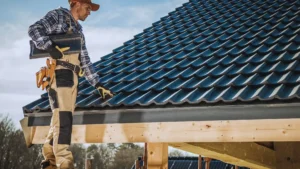
Metal roofs may experience screw backing out, rust at fastener points, panel separation, or damaged trim. These problems often develop gradually and are easier to fix when caught early.
C. Tile Roofs
Tile roofs are durable but vulnerable to broken or slipped tiles and deteriorated underlayment beneath. Damage often occurs without visible leaks at first.
D. Flat or Low-Slope Roofs
Flat roofs frequently develop ponding water, membrane blisters, seam separation, and surface cracking known as alligatoring. Standing water lasting over 48 hours is a major concern.
Problem Areas That Require Extra Attention
Certain roof areas fail more often than others. Roof penetrations—such as chimneys, skylights, plumbing vents, and HVAC units—are high-risk zones. Valleys handle heavy water flow and require close inspection.
Eaves and overhangs are vulnerable to water backup and ice dams. Kick-out flashing, where roofs meet sidewalls, is often improperly installed or missing. Plumbing vent boots commonly crack over time. Ridge vents and caps should be secure and intact to ensure proper ventilation.
DIY Roof Inspection: Safe and Effective Methods
A. Ground-Level Inspection
Use binoculars to examine shingles, flashing, and valleys without climbing. Walk around the entire home and view the roof from multiple angles. Early morning or late afternoon provides better visibility.
B. Safe Roof Access (If Comfortable)
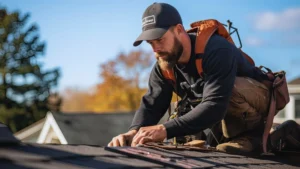
If accessing the roof, use a stable ladder, non-slip footwear, and avoid wet, icy, or windy conditions. Always work with a partner. Avoid climbing steep roofs or roofs that are old or fragile.
C. Attic Inspection Process
Inspect the attic during or after rain or on cold nights. Bring a flashlight and camera. Move systematically and document anything suspicious.
When to Call a Professional Roofer
Call a professional if you see sagging areas, active leaks, widespread damage, or signs of structural issues. Professional inspections provide trained expertise, proper safety equipment, and documentation for insurance purposes.
Expect a thorough evaluation of roofing materials, flashing, ventilation, and drainage. Schedule professional inspections every few years—or annually for older roofs. Ask contractors about licensing, insurance, certifications, and warranties before hiring.
Preventive Maintenance to Avoid Problems
Preventive care is simple but powerful. Clean gutters at least twice a year. Trim overhanging branches. Remove debris from roof surfaces and valleys. Ensure attic ventilation is functioning correctly.
Address small issues immediately. Keep records of inspections and repairs. Consider moss prevention treatments in humid climates. Older roofs benefit greatly from annual professional inspections.
Regional Considerations
Climate affects roofing differently. Hot regions experience UV damage and thermal expansion. Cold climates face ice dams and freeze-thaw cycles. Humid areas struggle with mold and algae growth. Coastal locations deal with salt corrosion and storm damage. Storm-prone regions must watch for wind and hail impacts.
Conclusion
Roof damage doesn’t happen overnight—it builds slowly when early signs are ignored. By prioritizing regular inspections and identifying roof problems early, homeowners can prevent costly repairs, extend roof lifespan, and protect their property value. Preventive care is always more affordable than emergency fixes.
Take action today. Inspect your roof, check your attic, and address small issues before they grow. When in doubt, contact a qualified professional. A proactive approach now ensures your roof continues to protect your home for years to come.
Follow us on Facebook.
FAQs
1. How often should I inspect my roof?
Inspect twice a year and after major storms. Older roofs benefit from more frequent inspections.
2. Can small roof issues really cause major damage?
Yes. Minor leaks can lead to mold, structural rot, and expensive interior repairs.
3. Do I need to get on the roof to inspect it?
No. Many issues can be spotted from the ground or inside the attic safely.
4. What interior signs indicate roof problems?
Water stains, musty odors, mold, high energy bills, and attic moisture are common signs.
5. When should I call a professional roofer?
If you see leaks, sagging, widespread damage, or safety concerns, call a professional immediately.