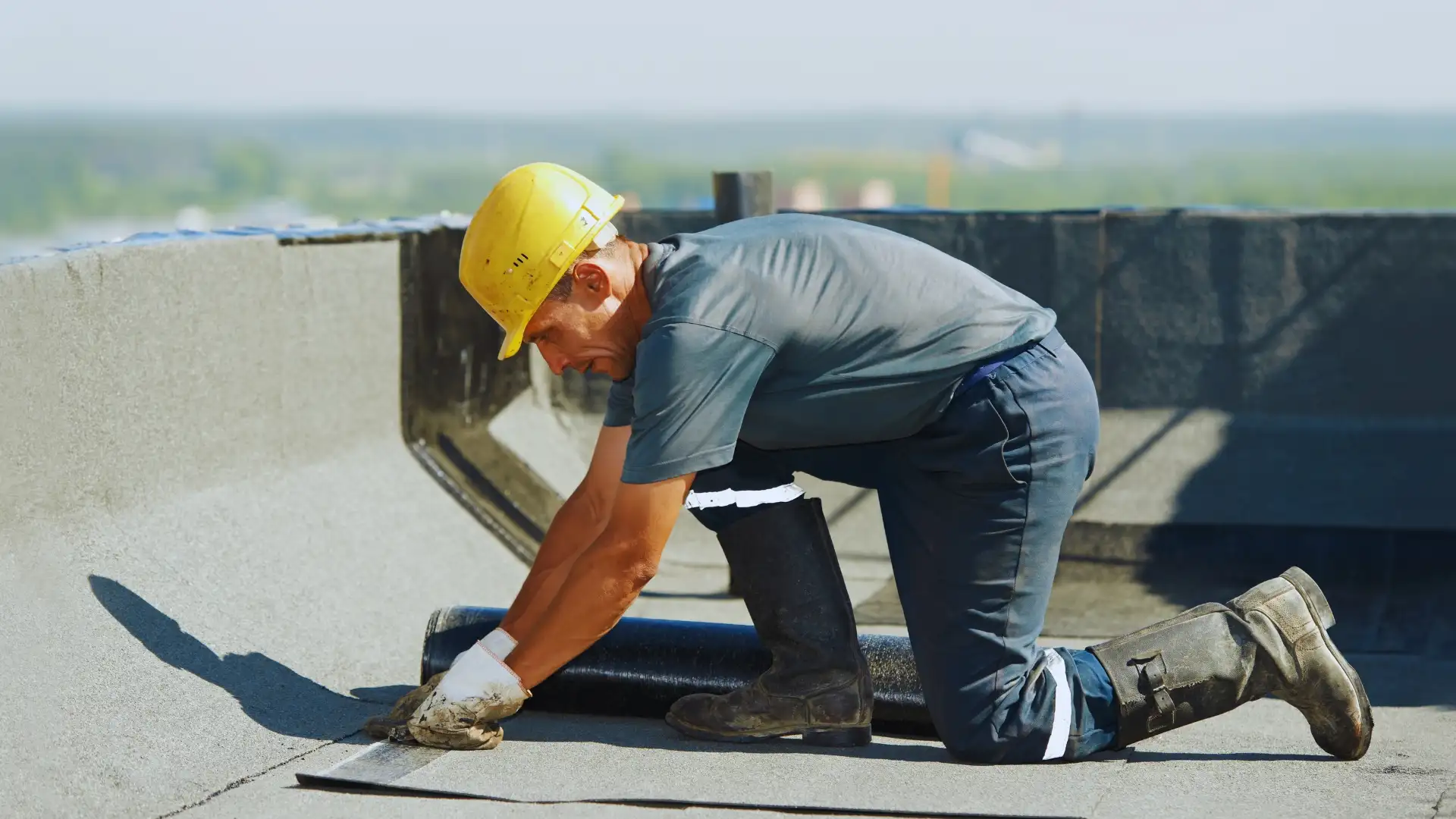
Flat roofs are a popular choice for both residential and commercial buildings due to their cost-effectiveness, modern aesthetic, and efficient use of space. Despite their benefits, flat roofs require careful maintenance, as even minor issues can escalate into major problems if ignored. A common misconception is that flat roofs are completely level—they actually have a slight slope to facilitate water drainage.
Understanding how to fix a flat roof is essential for homeowners and property managers. Some repairs, such as minor cracks or small blisters, can be safely handled by DIY enthusiasts, while more extensive issues—like seam failures, ponding water, or structural damage—require professional expertise.
In this guide, you will learn how to identify common flat roof problems, locate the source of leaks, and apply step-by-step repair methods. We will also explore preventive maintenance tips, material-specific repair approaches, and cost considerations, helping you make informed decisions about whether to DIY or hire a professional. By following this guide, you can extend the life of your flat roof and prevent costly water damage.
Understanding Flat Roofs: Types and Common Problems
A. Types of Flat Roofing Materials
Flat roofs are constructed from a variety of materials, each with unique repair requirements:
-
EPDM (Rubber): Durable, black membrane, flexible, and easy to repair with adhesive patches.
-
TPO (Thermoplastic): White or light-colored, energy-efficient, heat-welded seams, often requires professional seam repairs.
-
PVC: Chemical-resistant, premium option, heat-welded seams, generally requires specialized repair materials.
-
Modified Bitumen: Asphalt-based, available in torch-down (APP) or cold-applied (SBS) types, flexible and repairable.
-
Built-Up Roofing (BUR): Traditional tar and gravel system, long lifespan but heavier and more labor-intensive to repair.
Choosing the correct repair approach depends on the roof material, as compatibility is key for long-lasting results.
B. Most Common Flat Roof Problems
Flat roofs are prone to several issues due to their design:
-
Leaks and water infiltration: The most common problem, often caused by damaged seams, punctures, or blisters.
-
Ponding water: Standing water for 48+ hours accelerates membrane deterioration.
-
Cracks in the membrane: Caused by UV exposure, thermal stress, or aging.
-
Blisters and bubbles: Trapped moisture or air pockets that can rupture and cause leaks.
-
Membrane tears and punctures: Foot traffic, debris, and HVAC maintenance often cause damage.
-
Seam failures: Separation or lifting of membrane seams due to age or poor installation.
-
Flashing failures: Leaks around vents, pipes, skylights, and roof edges.
-
Alligatoring: Surface cracking and scaling from sun damage.
-
Drainage problems: Clogged drains or insufficient slope can cause water accumulation.
C. Why Flat Roofs Develop These Issues
-
Minimal slope makes water drainage challenging.
-
Constant UV exposure and weathering deteriorates the membrane.
-
Thermal expansion and contraction cause cracks and seam stress.
-
Foot traffic damages membrane surfaces.
-
Roof age (15–25 years typical) contributes to normal wear.
-
Poor initial installation or inadequate materials can accelerate damage.
Signs Your Flat Roof Needs Repair
A. Interior Warning Signs
-
Yellow or brown water stains on ceilings.
-
Active dripping during or after rain.
-
Damp spots or musty odors indicating water infiltration.
-
Mold or mildew growth on walls or ceilings.
-
Peeling paint or wallpaper.
-
Sagging areas of ceilings.
B. Exterior Warning Signs
-
Visible cracks or tears in the roofing membrane.
-
Blisters, bubbles, or soft spots when walking on the roof.
-
Standing water for more than 48 hours after rain.
-
Exposed or deteriorating flashing around edges or penetrations.
-
Loose or separated seams.
-
Missing granules on modified bitumen roofs.
-
Moss, algae, or vegetation growth.
-
Debris accumulation in drains or low spots.
C. When to Inspect
-
Bi-annual inspections in spring and fall.
-
After severe weather events like storms or hail.
-
Before winter and after snow melt.
-
Whenever interior signs appear.
-
Annually for commercial properties, or more often for high-traffic roofs.
Step 1: Finding the Leak Source
A. Interior Investigation
-
Locate water stains or actively dripping areas.
-
Measure the distance from stains to two nearest walls to triangulate the source.
-
Note patterns of water spread; water can travel, so the leak may not be directly above the stain.
B. Exterior Inspection Process
-
Ensure safety: use ladders properly, wear non-slip footwear, work with a partner.
-
Never walk on wet or hot roofing surfaces.
-
Apply interior measurements to approximate the leak area.
-
Start inspection at suspected location and work upslope.
C. High-Risk Areas to Check First
-
Around penetrations like vents, pipes, HVAC units, skylights.
-
Membrane seams and joints.
-
Roof edges, flashing, and parapet walls.
-
Low spots where water pools.
-
Drains and gutters.
-
Blisters or bubbles that may leak if ruptured.
D. Professional Detection Methods
-
Infrared thermography to detect hidden moisture.
-
Moisture meters for membrane saturation.
-
Electrical impedance testing.
-
Systematic water testing with hoses.
E. When You Can’t Find the Source
-
Multiple entry points may exist.
-
Water may travel through layers, making source identification difficult.
-
Professional equipment may be needed for complex leaks.
Safety Precautions and Preparation
A. Essential Safety Equipment
-
Fall protection harness for elevated or commercial roofs.
-
Sturdy extension ladder at proper angle and secure footing.
-
Non-slip roofing shoes, gloves, and safety glasses.
-
Work with a partner or spotter for safety.
B. Weather and Timing Considerations
-
Only repair in dry conditions.
-
Ideal temperature: 50–85°F; avoid extremely hot surfaces.
-
Avoid work during rain, high wind, ice, or snow.
-
Morning hours are cooler and safer.
-
Allow roof to dry 2–3 days after rain before repairs.
C. Workspace Preparation
-
Clear debris and obstacles.
-
Organize tools and materials before starting.
-
Plan escape routes and check for electrical hazards overhead.
Tools and Materials Needed
A. Essential Tools
-
Utility knife with hook blades.
-
Putty knife or trowel.
-
Stiff brush or broom.
-
Paint roller and brushes.
-
Measuring tape and scissors.
-
Caulking gun, bucket, weighted hand roller.
B. Common Repair Materials
-
Roofing sealant compatible with roof type.
-
Roofing cement or adhesive.
-
Patch material matching roof membrane.
-
Fiberglass mesh or reinforcing fabric.
-
Primer (if required) and roofing tape.
-
Cleaning solution, degreaser, rags or towels.
C. Material Selection Tips
-
Match repair material to roof type (EPDM, TPO, PVC, Modified Bitumen, BUR).
-
Use only high-quality, compatible products.
-
Check temperature requirements and manufacturer guidelines.
-
Keep extra materials on hand for emergencies.
Step-by-Step Flat Roof Repair Methods
A. General Preparation
-
Sweep and clean the area.
-
Remove loose or damaged material.
-
Ensure surface is completely dry.
-
Clean any oil or debris with degreaser.
B. Method 1: Fixing Small Cracks and Splits
-
Clean crack, remove loose material, widen slightly.
-
Apply primer if required.
-
Fill with sealant or roofing cement, embed fiberglass mesh.
-
Apply second coat, feather edges, press granules if present.
-
Allow 24–48 hours to cure, inspect, and repeat if needed.
C. Method 2: Repairing Blisters and Bubbles
-
Mark blister, cut “X” in center, peel flaps.
-
Dry interior completely, remove debris.
-
Apply roofing cement under flaps, press flaps down firmly.
-
Cover with patch extending 6 inches beyond blister, seal edges, and allow proper curing.
D. Method 3: Patching Tears and Punctures
-
Remove damaged membrane, cut square/rectangle 2 inches beyond damage.
-
Inspect and repair deck if necessary.
-
Apply primer, adhesive, and patch layers.
-
Roll thoroughly and seal edges with cement or sealant.
E. Method 4: Seam Repair
-
Lift separated membrane, clean surfaces, remove old adhesive.
-
Apply roofing adhesive, press down, roll, and weight until set.
-
Apply reinforcing strip and protective coating over seam.
F. Method 5: Flashing Repairs
-
Remove damaged flashing, clean area.
-
Apply roofing cement, install new flashing (metal or membrane).
-
Ensure minimum 4-inch horizontal and 8-inch vertical coverage.
-
Seal edges and use rubber collars for pipes.
G. Method 6: Quick Temporary Fix
-
Clean and dry area, apply generous sealant, cover with roofing tape or tarp.
-
Secure with weights, monitor, and plan permanent repair ASAP.
Repair Approaches by Roof Material
-
EPDM: EPDM primer, compatible patches, tape. DIY-friendly.
-
TPO: Heat welding preferred; adhesives for small repairs.
-
PVC: Heat welding or specialized adhesives. Professional recommended.
-
Modified Bitumen: Cold adhesive (DIY for SBS), torch-down (professional).
-
BUR: Hot tar (professional), cold cement for small DIY patches. Replace gravel as needed.
Addressing Ponding Water
-
Clear drains, strainers, and downspouts.
-
Apply temporary sealant if needed.
-
Improve slope with tapered insulation or leveling compound.
-
Install additional drains, scuppers, or overflow systems.
-
Trim overhanging branches, maintain debris-free roof, and inspect regularly.
Preventive Maintenance
-
Inspect spring, fall, post-storm, monthly (commercial), annual professional check.
-
Clean leaves, debris, and drains; trim vegetation.
-
Apply UV-protective coating every 3–5 years.
-
Limit foot traffic, use walkway pads, protect during service.
-
Document repairs, inspections, and warranty details.
DIY vs Professional Repair
DIY: Small cracks (<12″), single blisters, minor punctures, simple flashing, protective coatings.
Professional: Extensive damage, multiple leaks, structural issues, torch-down repairs, commercial buildings, safety risks.
Benefits of Professionals: Proper diagnosis, correct materials, warranties, insurance, code compliance, long-term solutions.
Cost Considerations
-
DIY: $150–$600 for small repairs.
-
Professional: Minor repairs $300–$1,500; extensive $2,000–$5,000.
-
Replacement if repairs exceed 30% of roof cost or roof >75% lifespan. Replacement: $5–$12 per sq ft.
Common Mistakes to Avoid
-
Repairing wet/damp surfaces, insufficient cleaning, wrong weather.
-
Using incompatible materials, insufficient patch overlap, trapped air.
-
Low-quality patches, expired cement, petroleum on EPDM.
-
No fall protection, working alone, ignoring electrical hazards.
-
Not addressing root causes, ignoring ponding water, partial fixes.
When to Replace
-
Roof age >20–25 years, >30% surface damage, repeated leaks, structural issues.
-
Replacement options: TPO, PVC, EPDM, modified bitumen, spray foam overlays.
-
May not require full tear-off; overlays save long-term costs.
Conclusion
Knowing how to fix a flat roof empowers homeowners to manage minor issues safely. Proper diagnosis, compatible materials, complete drying, and safety precautions are key. Quick action prevents major damage, while regular maintenance extends roof life. Complex or extensive damage warrants professional help. Inspect your flat roof today and address small issues promptly to save time and money.
Follow us on Facebook.
FAQs
-
Can I fix a flat roof myself?
Small cracks, blisters, and minor punctures can be DIY-repaired safely with proper tools and materials. -
How do I fix a leaking flat roof?
Locate the source, clean area, apply compatible sealant or patch, and reinforce seams if necessary. -
How long does a repaired flat roof last?
Repairs typically last 5–10 years depending on materials, weather, and maintenance. -
What is the best method for a roof leak on a flat roof?
Patch tears, seal cracks, and repair blisters with compatible adhesive; call a professional for large leaks. -
How often should I inspect a flat roof?
Inspect bi-annually, after storms, and before/after winter; commercial roofs may need monthly checks.