If you’re searching for how much does it cost to replace a roof, the short answer is this: most homeowners spend around $9,500, with typical costs ranging from $5,800 to as high as $46,000 depending on materials, labor, and complexity.
Roof replacement isn’t just another home improvement—it’s a critical investment that protects your structure, improves energy efficiency, and preserves property value. A failing roof can lead to leaks, mold, insulation damage, and even structural issues if ignored for too long.
However, no two roofs cost the same. Factors such as roof size, material choice, labor rates, geographic location, and your roof’s current condition all play a major role in determining the final price. That’s why estimates can vary so widely between homes—and even between neighbors.
In this guide, you’ll get a clear, realistic breakdown of roof replacement costs, what influences pricing, when replacement makes sense over repair, and how to avoid overpaying. By the end, you’ll know exactly what to budget for and how to plan confidently.
Average Roof Replacement Costs
National Averages Explained
The national average roof replacement cost typically falls between $9,000 and $9,500 for a standard asphalt shingle roof on a single-family home. This figure includes materials, labor, tear-off, and basic installation components.
Why Costs Vary So Widely
Homeowners may pay as little as $5,700 for a small, low-slope roof with basic shingles—or more than $46,000 for premium materials like slate or metal on complex roof designs. Variables such as pitch, height, and accessibility can dramatically increase labor time and safety requirements.
Pricing by Measurement
-
Per square foot: $4–$11
-
Per roofing square (100 sq ft): $300–$600
Roof Cost by Size
| Roof Size | Estimated Cost Range |
|---|---|
| 1,000 sq ft | $4,000 – $11,000 |
| 1,500 sq ft | $5,800 – $16,500 |
| 2,000 sq ft | $8,000 – $22,000 |
| 2,500 sq ft | $10,000 – $27,500 |
| 3,000 sq ft | $12,000 – $33,000 |
Understanding these averages helps answer the question how much does it cost to replace a roof, but your final price depends on deeper cost factors covered below.
Cost Breakdown by Roofing Material
Different roofing materials have vastly different prices, lifespans, and performance benefits. Choosing the right one impacts both upfront cost and long-term value.
| Material | Price / Sq Ft | Avg Cost (2,000 sq ft) | Lifespan | Best Use Case |
|---|---|---|---|---|
| Asphalt (3-tab) | $3–$5 | $6,000–$10,000 | 15–20 yrs | Budget-friendly homes |
| Architectural shingles | $4–$6 | $8,000–$12,000 | 25–30 yrs | Better durability & curb appeal |
| Metal roofing | $5–$16 | $10,000–$32,000 | 40–70 yrs | Longevity & energy efficiency |
| Wood shakes/shingles | $6–$10+ | $12,000–$20,000 | 20–30 yrs | Rustic aesthetics |
| Clay/concrete tile | $9–$12 | $18,000–$24,000 | 50+ yrs | Hot climates |
| Slate | $15–$30 | $30,000–$60,000 | 75–100 yrs | Premium luxury homes |
| Flat roof (TPO/EPDM/PVC) | $4–$12 | $8,000–$24,000 | 20–30 yrs | Commercial & modern homes |
Metal roofs, while expensive upfront, reduce long-term new roof costs through longevity and energy savings. Premium materials like slate offer unmatched durability but require strong structural support.
Material choice alone can double or triple your roof replacement costs, making it one of the most important decisions in the process.
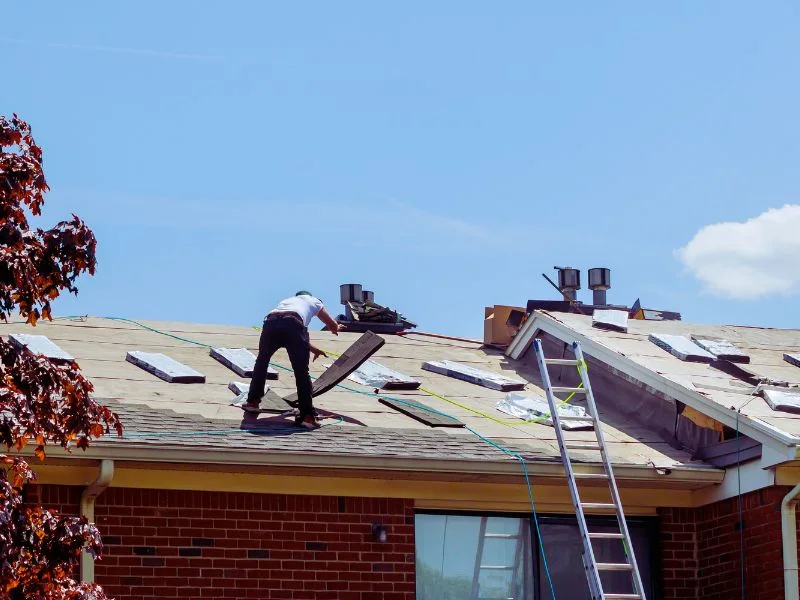
Labor Costs Explained
On average, contractors charge:
-
$150–$300 per roofing square, or
-
$1.50–$3 per square foot
Several factors influence labor pricing:
-
Roof pitch: Steeper roofs require safety equipment and slow installation
-
Design complexity: Valleys, skylights, dormers, and chimneys add time
-
Number of stories: Multi-story homes increase risk and labor hours
-
Accessibility: Limited driveway space or landscaping obstacles raise costs
-
Regional labor rates: Urban areas and high-cost states pay more
Even with identical materials, labor differences can shift the final cost to replace a roof by thousands of dollars.
Key Cost Factors That Impact Your Final Price
Roof Size and Complexity
Roofers calculate costs based on total square footage, but shape matters just as much. Steep slopes, intersecting rooflines, dormers, valleys, and skylights all increase labor time and material waste.
Geographic Location
Location significantly affects pricing:
-
Midwest & rural areas: Lower labor costs
-
Coastal states: Higher material and code requirements
-
Southern states: Heat-resistant materials increase cost
-
Urban vs rural: City projects cost more due to permits and labor
Local building codes may require upgraded underlayment, ventilation, or wind-rated materials.
Roof Structure and Condition
Hidden damage beneath shingles can raise costs unexpectedly. Common issues include:
-
Rotted decking
-
Structural sagging
-
Multiple existing layers requiring removal
Each additional layer removed adds time, disposal fees, and labor expense.
Additional Project Costs
-
Removal & disposal: $1–$5 per sq ft
-
Permits: $100–$1,400
-
Roof inspection: $100–$600
-
Underlayment & flashing: Varies by quality
-
Ventilation upgrades: $300–$2,000
-
Gutter replacement: Often discounted when bundled
-
Extended warranties: $500–$5,000
All these factors influence how much does it cost to replace a roof, often more than homeowners initially expect.

Roof Replacement vs. Repair: When to Choose Each
Repair Makes Sense When:
-
Less than 25% of the roof is damaged
-
The repair cost is under 30% of the replacement cost
-
The roof is under 20 years old
Common repairs like flashing fixes, shingle replacement, or minor leaks often cost $300–$2,000.
Replacement Is Better When:
-
Damage is widespread
-
The roof is near the end of its lifespan
-
Repairs are frequent
-
Structural issues exist
A full replacement offers a 20%–50% return on investment at resale and prevents escalating repair costs. In many cases, replacement is more economical long-term despite higher upfront roof replacement costs.
How to Save Money on Roof Replacement
-
Get 3–5 written quotes from licensed contractors
-
Schedule work in late fall or winter for discounts
-
Choose materials wisely—don’t overpay for features you don’t need
-
Understand warranties to avoid unnecessary upgrades
-
Ask about financing or payment plans
-
Check if storm damage qualifies for insurance coverage
Smart planning can significantly reduce the new roof cost without sacrificing quality.

Choosing the Right Roofing Contractor
Look for contractors who offer:
-
Proper licensing and insurance
-
Strong local reviews
-
Detailed written estimates
-
Manufacturer and workmanship warranties
-
Clear timelines
Red flags
include large upfront payments, vague contracts, and pressure tactics.
Final Thoughts
Then, what is the price of replacing a roof? On average, about $9,500, but the final price depends heavily on material choice, labor quality, roof complexity, and location. Some homeowners spend under $6,000, while others invest $40,000 or more in premium systems.
A roof replacement isn’t just an expense—it’s long-term protection for your home’s structure, efficiency, and resale value. The key is planning carefully, choosing quality materials, and hiring experienced professionals.
Always compare multiple estimates and view your roof as an investment, not just a repair. The right decisions today can save tens of thousands over your home’s lifetime.
FAQs
1. How long does roof replacement take?
Most projects take 1–8 days, depending on size, weather, and complexity.
2. Is it possible to replace just a portion of my roof?
Yes, but mismatched materials and future leaks can reduce effectiveness.
3. Does homeowners’ insurance cover roof replacement?
Insurance may cover damage from storms, hail, or fire—not wear and tear.
4. How long do roofing materials last?
Asphalt lasts 20–30 years; metal lasts 40–70 years; slate lasts up to 100 years.
5. Can new shingles go over old ones?
Yes, but it shortens lifespan and may violate local codes.