Flat roof damage rarely announces itself politely. A small crack or loose seam can quietly allow water inside, leading to stained ceilings, mold growth, insulation damage, and costly structural repairs. That’s why homeowners and property managers often ask, how do you repair a flat roof before minor issues become major problems.
The short answer is that flat roof repairs usually involve cleaning the damaged area, applying patches or sealants, and restoring proper waterproofing. However, the exact method depends heavily on the roofing material and the type of damage present.
Flat roofs are commonly built using EPDM rubber, TPO, modified bitumen, tar and gravel, or PVC membranes. Each material reacts differently to weather, foot traffic, and age, requiring specific repair techniques and products. Using the wrong method can actually worsen leaks instead of fixing them.
In this guide, you’ll learn how to identify your flat roof type, diagnose common problems, perform step-by-step repairs, and decide when DIY makes sense versus when hiring a professional is the safer option. Addressing issues early—especially around vulnerable areas like flashing—can save you from expensive repairs later.
Understanding Your Flat Roof Type
Before attempting any repair, it’s critical to identify your flat roof material. Each roofing system requires specific tools, adhesives, and techniques, and using the wrong materials can cause failures instead of fixes.
A. Common Flat Roof Materials
EPDM (Rubber Roofing)
EPDM is a black rubber membrane that’s either glued down or mechanically fastened. Seams are sealed using special tape or adhesive. It’s flexible and durable but vulnerable to punctures.
TPO (Thermoplastic Polyolefin)
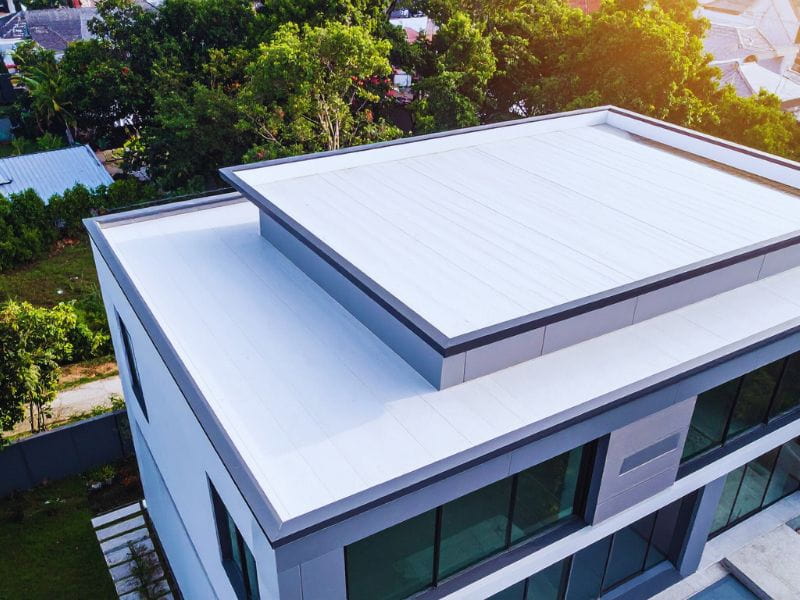
TPO roofs are usually white or light-colored and feature heat-welded seams. They reflect heat well and are increasingly popular on residential and commercial buildings.
Modified Bitumen
This asphalt-based system uses multiple layers and often has a granular surface. It’s tougher than single-ply membranes but can crack as it ages.
Tar and Gravel (Built-Up Roofing)
A traditional system made of layered tar and gravel. It’s heavy and durable but difficult to repair without experience.
PVC Roofing
Similar to TPO but more chemically resistant, PVC is commonly used in commercial settings.
B. How to Identify Your Roof Type
Look at the roof’s color, texture, and seams. Consider its age and check any building records or previous contractor invoices. Proper identification ensures repairs bond correctly and last longer.
Common Flat Roof Problems and Their Causes
Flat roofs experience a unique set of problems due to their low slope and exposure.
A. Ponding Water
Water that remains for more than 48 hours can weaken membranes and seams. Poor drainage and sagging areas are common causes.
B. Membrane Cracks and Splits
UV exposure, aging, and temperature changes cause materials to shrink, expand, and eventually crack.
C. Blisters and Bubbles
These form when moisture or air becomes trapped beneath the membrane. Small blisters may be harmless, but large ones often require repair.
D. Punctures and Tears
Foot traffic, falling branches, tools, or hail can puncture flat roofs, especially rubber membranes.
E. Seam Failures
Failed seams are one of the most common leak sources, particularly on EPDM and TPO roofs.
F. Flashing Problems
Leaks often occur around vents, skylights, and chimneys. Ignoring flashing chimney repair can allow water to travel far before becoming visible indoors, increasing damage.
Diagnosing the Problem: Finding the Leak
Finding the source of a flat roof leak can be challenging because water often travels before dripping inside. Start indoors by measuring the location of water stains relative to walls.
On the roof, look for obvious damage such as cracks, loose seams, punctures, or ponding water. Pay special attention to flashing areas—many leaks originate here and require proper flashing chimney repair.
If visual inspection fails, use controlled water testing by flooding small roof sections one at a time. Professionals may use infrared scanning to detect trapped moisture.
Always inspect on dry, sunny days and follow safety precautions, including secure ladders, non-slip shoes, and fall protection when needed.
Tools and Materials Needed
A. Essential Tools
-
Utility knife
-
Broom and brushes
-
Trowel or putty knife
-
Paint or roofing roller
-
Measuring tape
-
Ladder and safety gear
B. Material Requirements by Roof Type
-
EPDM: Cleaner, primer, rubber patches, contact cement, lap sealant
-
TPO: Cleaner, membrane patches, adhesive or heat gun
-
Modified Bitumen: Roofing cement, mesh, membrane patches
-
Tar and Gravel: Asphalt, roofing cement, fiberglass mesh, gravel
C. Safety Equipment
-
Non-slip shoes
-
Gloves and goggles
-
Harness (recommended)
-
Knee pads
Step-by-Step Repair Process by Roof Type
Repairing a flat roof requires different techniques depending on the material. Following proper steps ensures a durable, watertight repair and prevents future issues.
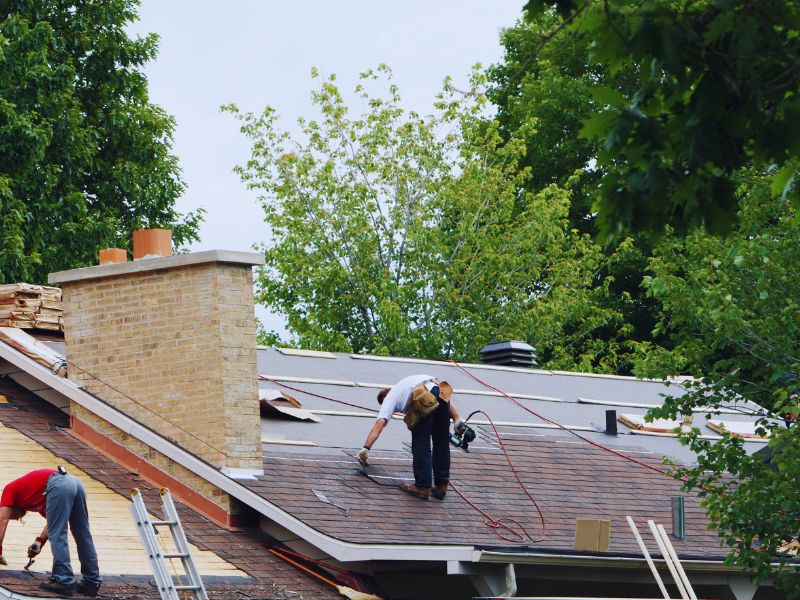
A. EPDM Rubber Roof Repair
Step 1: Clean the Area
Start by sweeping away all debris, dirt, and loose materials. Use an EPDM membrane cleaner to remove oils and contaminants from the damaged area. Allow the surface to dry completely before applying any patch.
Step 2: Cut and Prepare the Patch
Cut a patch that is 6–12 inches larger than the damaged area on all sides. Round the corners to prevent peeling over time. Clean both the roof surface and patch thoroughly to ensure good adhesion.
Step 3: Apply Contact Cement
Roll rubber-to-rubber contact cement onto both the patch underside and the damaged area. Let the cement become tacky for about 10 minutes before proceeding.
Step 4: Position and Adhere the Patch
Carefully align the patch over the damage and press firmly from the center outward to remove air pockets. Use a roofing roller to ensure full contact and a smooth surface. For larger patches, apply one half at a time for better control.
Step 5: Seal the Edges
Apply EPDM lap sealant around all edges to create a watertight seal. Allow the patch to cure according to manufacturer instructions before exposing it to water.
B. TPO Roof Repair
Step 1: Clean and Prepare
Remove dirt, grease, and debris using a TPO-approved cleaner. Ensure the surface is completely dry, and mark the repair area boundaries.
Step 2: Cut the Damaged Section (if necessary)
For significant damage, cut out the affected portion to create clean, square edges. Remove any loose material to expose the substrate.
Step 3: Apply Patch Material
Cut a TPO patch extending at least 6 inches beyond the damage. Attach it using TPO bonding adhesive or heat welding with a hot air gun at manufacturer-specified temperature. Press and roll the patch smooth to eliminate air pockets.
Step 4: Test the Seams
After curing, gently pull at the edges to test adhesion. Reseal any weak spots immediately to ensure a watertight finish.
C. Modified Bitumen Roof Repair
Step 1: Remove Gravel and Clean
Sweep away loose gravel to expose the membrane. Clean the area thoroughly to identify cracks, blisters, or punctures.
Step 2: Apply Base Layer
Spread a 1/8-inch layer of roofing cement over the repair area, extending 6 inches beyond the damage. Smooth with a trowel for even coverage.
Step 3: Add Reinforcement
Embed a piece of fiberglass mesh into the wet cement for added strength. Cover the mesh with an additional layer of roofing cement to secure it.
Step 4: Install Membrane Patches
Cut a membrane patch to cover the repair area, adhering it using a torch, hot-mop, or cold adhesive method. Add a second patch at least 6 inches larger in all directions for extra protection.
Step 5: Seal and Restore Surface
Apply a final layer of roofing cement over the patch. Press fresh gravel into the wet cement to match surrounding coverage and provide UV protection.
D. Tar and Gravel Roof Repair
Step 1: Expose the Problem
Remove gravel from the damaged section. Cut away loose, blistered, or deteriorated roofing material, exposing the membrane below.
Step 2: Fill and Patch
Apply roofing cement or hot tar to the damaged area. Embed fiberglass mesh if necessary for reinforcement. Build up layers evenly to match the surrounding roof height.
Step 3: Restore Protective Layer
Spread new gravel over the patched area, ensuring depth matches the existing layer. This protects the roof from UV rays and prolongs the patch’s life.
By following these step-by-step procedures, you can effectively repair most flat roof issues while maintaining the integrity of the surrounding materials. Remember that proper preparation, cleaning, and sealing of edges are critical for long-lasting results, whether working with EPDM, TPO, modified bitumen, or tar and gravel systems. When dealing with flashing or structural elements, professional assistance may be warranted to prevent hidden leaks and ensure safety.
Small vs. Large Repairs: Knowing the Difference
Understanding the difference between minor and major flat roof repairs is essential for choosing the right approach and avoiding unnecessary costs.
Minor Repairs (DIY-Friendly)
Minor damage is typically localized and straightforward to fix. This includes small cracks under 6 inches, isolated punctures, single blisters, or limited seam failures. These types of repairs can often be handled safely by homeowners with basic tools and materials, such as roofing cement, patches, or sealants. DIY minor repairs usually cost between $100 and $300 for materials and can often be completed in a few hours. Acting quickly on minor issues prevents them from escalating into larger problems that require professional intervention.
Major Repairs (Professional Recommended)
Major repairs involve more extensive damage and generally require professional expertise. Examples include multiple leak sources, widespread membrane deterioration, sagging or structural issues, and large areas of ponding water. These situations often demand specialized equipment, advanced repair techniques, and adherence to building codes. Costs for professional major repairs typically range from $1,200 to $1,500 or more, depending on severity. In these cases, attempting a DIY fix could worsen the damage, lead to higher chimney flashing repair cost, or compromise roof warranties.
Repair vs. Replacement
Sometimes repeated repairs are less cost-effective than a full roof replacement. If your flat roof is over 20 years old, shows damage covering more than 30% of its surface, or requires frequent interventions, replacement is usually the smarter choice. This decision also considers potential water damage, energy efficiency, and building code updates. Proactively replacing an aging roof ensures long-term reliability and often saves money compared to continual minor and major repairs.
By accurately assessing the scope of damage, you can choose between a DIY fix, professional repair, or full replacement, ensuring safety, durability, and cost efficiency.
When to Call a Professional
Knowing when to call a professional is crucial for flat roof repairs, especially to prevent minor issues from escalating into costly problems. While DIY repairs can handle small cracks, punctures, or localized seam failures, professional expertise is essential for extensive damage, structural concerns, or complex leaks. Improper repairs not only risk further water intrusion but can also increase costs associated with chimney flashing repair, particularly if leaks spread unnoticed under the roof membrane.
Professional roofers bring several advantages. They can accurately diagnose the source of leaks, including hidden issues around vents, skylights, or chimneys. Using the right materials and techniques ensures compliance with building codes and manufacturer warranties—an area where DIY efforts can unintentionally void coverage. For example, proper installation of flashing and seam repairs often requires specialized adhesives, heat welding, or infrared scanning equipment that homeowners typically lack.
Hiring a professional is also essential when filing insurance claims, as contractors can provide documented assessments of damage and repair methods. This is particularly important if you’re searching for chimney flashing repair near me, as experienced technicians can identify underlying issues that could otherwise go unnoticed.
Safety is another consideration: professionals are trained to work at height, handle heavy roofing materials, and navigate steep or fragile surfaces safely. In short, calling a professional ensures long-term protection, proper repairs, and peace of mind, especially for large or complicated flat roof projects where minor errors could lead to major water damage.
Preventive Maintenance to Avoid Future Repairs
Preventive maintenance is the key to extending the life of your flat roof and minimizing costly repairs. Regular inspections allow you to catch small problems before they become major issues. Ideally, inspect your roof twice a year—in the spring and fall—and after any severe weather events such as heavy rain, hail, or snowstorms.
Keeping your roof clean is critical. Remove debris like leaves, branches, and dirt that can trap moisture and cause membrane deterioration. Ensure that drains, scuppers, and gutters are clear to prevent ponding water, which is one of the most common causes of flat roof leaks. Pay close attention to low spots where water may accumulate, and consider adding additional drainage if ponding is frequent.
Small repairs made promptly can prevent the need for larger fixes. Seal minor cracks and punctures, replace worn caulking around vents and chimneys, and monitor blisters or membrane bubbles. Addressing these issues early often eliminates the need for major flashing chimney repair later, saving both time and money.
Professional maintenance plans are also worth considering. Annual or bi-annual inspections, which typically cost between $200 and $400, can identify hidden damage, perform minor repairs, and ensure proper waterproofing. Such programs can extend your roof’s lifespan by 40–60%, reduce emergency repairs by up to 70%, and maintain warranty compliance.
By combining DIY upkeep with professional inspections, you can keep your flat roof in optimal condition, prevent leaks, and avoid costly emergency repairs, ensuring that your roof remains reliable and safe for years to come.
Flat Roof Repair Costs
Understanding the costs associated with flat roof repairs can help homeowners plan and decide between DIY fixes and professional services. DIY repairs are generally the most cost-effective for minor issues, such as small cracks, isolated punctures, or minor seam failures. Material costs typically range from $50 to $400, depending on the roof type and the supplies needed, such as patches, sealants, and cleaning products. Investing in basic tools may add another $100–$200 if you don’t already own them.
Professional repairs vary widely based on the severity of the damage and roof type. Minor repairs usually cost $300–$700 for a few hours of work, while medium repairs may range from $600–$1,200, often completed in a half-day. Extensive or emergency repairs—especially those involving multiple leaks, structural issues, or complex flashing chimney repair—can cost $1,200–$1,500 or more. Emergency calls or off-hour service may add a 50–100% premium.
Several factors influence repair costs, including roof material, accessibility, location, and the time of year. For example, TPO and modified bitumen repairs are generally more expensive due to material and labor requirements. Comparing early repairs versus delayed action is critical: ignoring minor leaks can result in widespread water damage, much like delaying chimney flashing repair can lead to costly interior damage. Addressing problems promptly often saves both money and stress in the long run.
Conclusion
So, how do you repair a flat roof successfully? The answer depends on correct diagnosis, matching repair methods to the roof material, and using proper tools and materials. Minor issues can often be handled DIY, but large-scale damage, seam failures, and flashing problems require professional expertise.
Regular inspections and maintenance dramatically reduce repair costs and extend roof lifespan. Delaying repairs—especially around flashing—can lead to widespread water damage and expensive fixes.
Inspect your flat roof today, address small issues early, and consult a professional when needed to protect your property and your budget.
Follow us on Facebook.
FAQs
1. Can I repair a flat roof myself?
Yes, small cracks and punctures are DIY-friendly, but major damage should be handled by professionals.
2. How long do flat roof repairs last?
Quality repairs typically last 5–10 years, depending on materials and weather exposure.
3. What is the best sealant for flat roofs?
It depends on the roof type—EPDM, TPO, and bitumen each require specific products.
4. Can you repair a flat roof in winter?
It’s possible but not ideal, as cold temperatures affect curing and adhesion.
5. When should a flat roof be replaced instead of repaired?
If it’s over 20 years old or damage exceeds 30%, replacement is usually smarter.