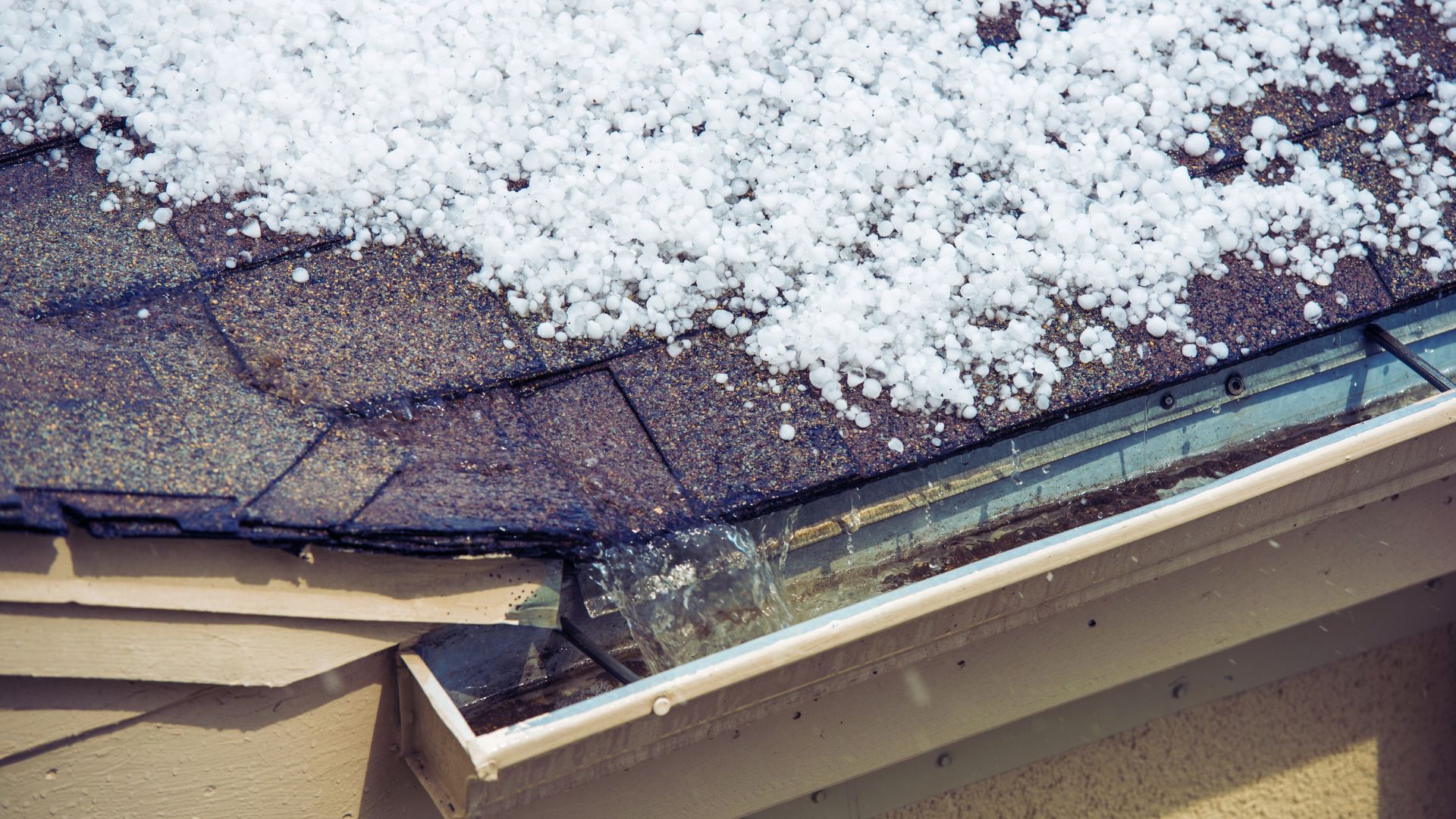
Hailstorms cause over $1 billion in property damage annually in the United States, and your roof often bears the brunt. Imagine waking up after a hailstorm to find scattered debris, dented gutters, and unsure if your shingles were impacted. For homeowners, the uncertainty of hail damage on roof surfaces can be overwhelming.
Understanding hail damage is crucial for protecting your home, filing insurance claims, and preventing long-term issues. In this comprehensive guide, you’ll learn how to identify hail damage from the ground, what to look for on various roofing materials, when to call a professional, the insurance claims process, and proactive steps to minimize future damage. Early detection not only prevents costly repairs but also ensures your roof maintains its structural integrity. Whether it’s a minor cosmetic issue or severe structural damage, knowing what to do after hail strikes can save you thousands.
Understanding Hail and How It Damages Roofs
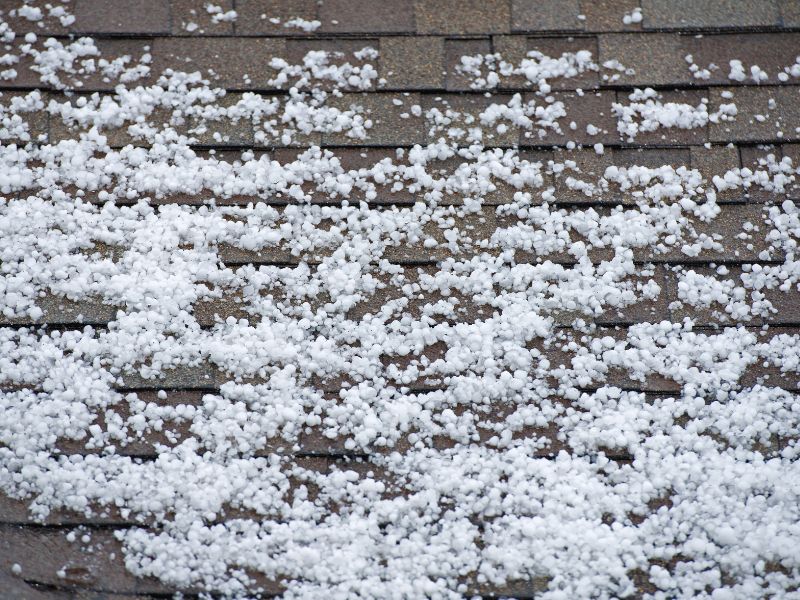
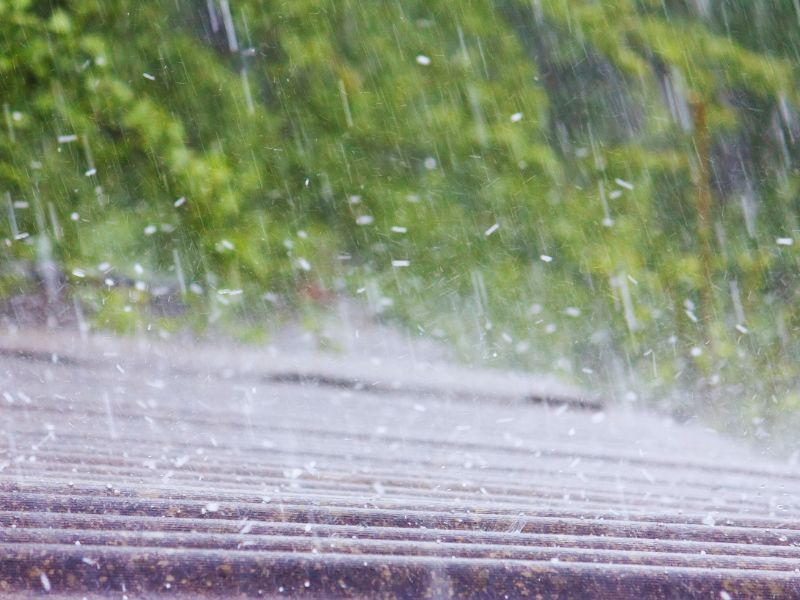
Hail forms during thunderstorms when strong updrafts lift water droplets into freezing layers of the atmosphere. These droplets accumulate layers of ice as they circulate, growing heavier until gravity pulls them to the ground. Hailstones vary in size, density, and shape—factors that determine the severity of roof damage.
The extent of damage depends on:
Hail Characteristics
Pea-sized hail may cause minor shingle granule loss, while golf ball-sized or larger hail can crack windows and puncture roofing materials. Irregular shapes and hard surfaces inflict more damage.
Storm Conditions
High wind speeds, storm duration, and hail concentration influence how severely your roof is impacted.
Property Factors
The type of roofing material, its age, slope, and nearby structures or trees can mitigate or worsen damage.
Hail damage matters because it compromises roof integrity without immediate leaks, accelerates aging, exposes underlayment, and may void manufacturer warranties if ignored. Texas, known for frequent hailstorms, experienced 688 significant hail events in 2021 alone, highlighting the importance of vigilance.
Hail Size and Damage Correlation
Hail size is directly related to potential roof damage:
| Hail Size | Common Name | Typical Damage | Notes |
|---|---|---|---|
| ¾ inch | Pea-sized | Dislodges granules from asphalt shingles, dents metal fascia, and damages vinyl siding | Often overlooked by homeowners |
| 1 inch | Quarter-sized | Visible shingle bruising, gutter, and siding damage | Critical threshold: the first size at which damage is easily identifiable |
| 1¼ inch | Half Dollar | Significant damage; shingles may resemble “Swiss cheese.” | Damage occurs even without wind |
| 1¾ inch | Golf Ball | Severe property damage; can crack windows, tear siding | Severity depends on duration and wind |
| 2+ inches | Tennis Ball to Softball | Penetrates ridge caps and vents, may require full roof replacement, can destroy siding and metal fixtures | Most destructive; combined with wind can cause major structural issues |
How to Identify Hail Damage: Ground-Level Inspection
Starting from the ground ensures safety and helps identify areas needing professional attention.
Check Gutters and Downspouts: Look for dents and granule accumulation; black, sandpaper-like residue indicates shingle damage.
Siding and Exterior Walls: Dents, splatter marks, chipped paint, or punctures on vinyl or aluminum siding indicate impact.
Windows and Doors: Inspect for cracked glass, dents, damaged caulking, or chipped frames.
Outdoor Equipment: AC units, satellite dishes, mailboxes, and outdoor furniture often show hail dents first.
Roof Penetrations Visible From Ground: Look for dents on metal vents, skylights, and chimney flashing.
Landscape Indicators: Broken branches and shredded foliage indicate hail size and intensity. Binoculars can help assess your roof safely.
Identifying Hail Damage by Roofing Material
Hail damage appears differently depending on the type of roofing material. Recognizing these signs early can save homeowners from costly repairs and help ensure insurance claims are handled correctly.
Asphalt Shingles
Asphalt shingles, used on about 75% of U.S. homes, are highly susceptible to hail damage. Look for:
Black spots or bruises: Dark areas on shingles indicate granules have been knocked off, exposing the asphalt mat beneath.
Shiny exposed mats: This often looks like a small, reflective spot where the protective layer has worn away.
Soft “bruise” areas: Press gently; hail-damaged spots feel softer than the surrounding areas.
Granule loss: Excessive granules in gutters or downspouts signal impact.
Circular cracks and weakened seal strips: Hail can compromise the adhesive that holds shingles in place, leading to potential leaks.
Older shingles or lower-quality materials show damage more readily, so check carefully after storms.
Wood Shakes and Shingles
Wood roofs exhibit damage differently:
Splits with sharp edges: Hail often causes small cracks along the grain. Fresh splits reveal brown or orange wood inside.
Splintering and dislodged shakes: Impact may loosen shingles or cause them to partially detach.
Aging vs. hail damage: Old damage appears gray and weathered, whereas hail damage is abrupt and shows fresh color.
Metal Roofing
Metal roofing is highly durable but not impervious:
Dents and dings: Most common indicator; hail creates rounded indentations without creases.
Warping from larger hail: Significant hailstones can bend or warp panels.
Durability note: Thicker metal resists damage better, but all metal roofs should be inspected after major hailstorms.
Clay and Concrete Tiles
Tile roofs require careful attention:
Chipped corners or cracked tiles: Hail can break tiles like pottery.
Shattered tiles or missing sections: Severe storms may dislodge or shatter multiple tiles.
Exposed underlayment or decking: Where tiles are missing, protective layers beneath may be exposed.
Professional inspection recommended: Walking on tiles can cause additional damage, so always hire a pro.
Flat or Low-Slope Roofs
These roofs can hide damage:
Membrane cracks or punctures
Hail may tear or bruise roofing membranes.
Blistering or water accumulation points
Damage can create areas where water pools, increasing leak risk.
Careful observation needed
Damage may not be obvious without a thorough inspection.
Common Mistakes to Avoid
Not every roof blemish is hail damage. Watch out for blistering from age, algae streaks or discoloration, granule loss due to normal wear and tear, and mechanical damage such as foot traffic or ladder marks.
Key Point
Hail damage occurs suddenly and randomly, unlike gradual aging or mechanical wear, which follows patterns. Correctly identifying the type of damage ensures proper repair and avoids insurance claim issues.
Professional Roof Inspection for Hail Damage
| Section | Details |
|---|---|
| When to Call a Professional | – Ground-level indicators suggest damage (dents in gutters, siding, AC units, broken windows).- Hailstones exceeded 1 inch (larger hail can cause hidden damage).- Roof characteristics make DIY unsafe (steep slopes, tile/slate, older roofs).- Insurance claim planning requires professional documentation. |
| What Professionals Inspect | – Entire roof surface: shingles, tiles, and metal panels for dents, bruising, and missing granules.- Roof penetrations: vents, chimneys, skylights, flashing.- Ridge caps & valleys: loosened or fractured components.- Gutters, downspouts, soffits, fascia: dents, blocked drainage.- Interior inspection: attic for leaks or compromised underlayment.- Documentation: photos and detailed notes for insurance. |
| Insurance Adjuster Methods | – Test square method: 10×10 ft areas in the most damaged zones.- Functional damage threshold: 8+ hail strikes per square may qualify the roof/slope for replacement.- Contractors provide professional assessments, photos, and estimates. |
| Choosing a Roofing Contractor | Avoid: door-to-door storm chasers, extremely low estimates, and upfront full payment requests. Look for: licensed/insured local companies, experience with hail claims, written estimates, good references, and clear communication. |
| Key Takeaway | Professional inspections identify hidden damage, protect your investment, and support insurance claims. Choosing a reputable contractor ensures informed repair/replacement decisions. |
Filing an Insurance Claim for Hail Damage
Coverage Types
ACV (Actual Cash Value)
Pays depreciated value; may leave out-of-pocket costs.
RCV (Replacement Cost Value)
Pays to replace with equivalent new materials; initial ACV payment, balance after completion.
Claim Process:
- Document all damage (photos, video, weather reports).
- Make temporary repairs to prevent further damage.
- Contact your insurance company promptly.
- Schedule a professional inspection.
- Meet adjuster; review estimate.
- Complete repairs; keep receipts.
Average Costs: Minor repairs $375-$1,500, moderate $1,500-$4,250, severe $4,250-$7,500+. National average ~$4,250.
What to Do After Discovering Hail Damage
Discovering hail damage on your roof can be stressful, but acting quickly and methodically can prevent further damage, simplify insurance claims, and protect your home in the long term.
Immediate Actions (First 24–48 Hours)
Ensure Safety
Before anything else, check for immediate hazards. Look for active leaks and place buckets to catch water. Move valuable items away from affected areas. Do not walk on a damaged roof—even small hail dents can create weak spots that are unsafe to step on.
Document Thoroughly
Accurate documentation is critical for insurance claims:
Accurate documentation is critical for insurance claims. Take comprehensive photos and videos of all damage, including the roof, gutters, siding, windows, outdoor equipment, and landscaping.
Date-stamp every image and create written notes describing the extent of damage. Keep weather reports showing the hailstorm occurred in your area.
Prevent Further Damage
Mitigate immediate risks
Apply temporary tarps over damaged areas if safe, clear gutters of debris to ensure proper drainage, cover broken windows or vents, and keep receipts for all materials used, as these may be reimbursable by your insurer.
Contact Your Insurance Company
File your claim as soon as possible, ideally within 24–48 hours, provide your initial documentation, and ask about emergency temporary repair coverage.
Short-Term Actions (First Week)
Schedule a Professional Roof Inspection
Get 2–3 estimates from reputable roofing contractors, choose one who will work closely with your insurance claim, and schedule inspections before the insurance adjuster’s visit, if possible.
Prepare for Adjuster Visit
Compile all documentation and be present during the inspection, have your contractor available to answer technical questions, and take notes while asking clarifying questions about coverage and repair requirements.
Review Estimates and Settlement Offers
Compare the adjuster’s scope of work with contractor estimates, ensure all damaged areas are accounted for, and clarify any discrepancies before signing a settlement.
Long-Term Considerations
Complete Repairs Promptly
Don’t delay repairs once your claim is approved.
Hail damage can worsen over time, leading to leaks, rot, or structural issues.
Timely repairs preserve your home’s value and prevent compounded costs.
Consider Impact-Resistant Shingles
UL 2218 Class 4 shingles provide the highest level of hail protection.
Some insurers offer discounts for installing impact-resistant materials.
Upgrading helps reduce future damage and can qualify for long-term premium savings.
Upgrade for Future Protection
Install protective measures like hail guards on skylights or AC units.
Prune overhanging trees and maintain landscape buffers.
Consider stronger roofing materials, such as metal or stone-coated options, especially in high-risk hail areas.
Key Takeaway
Acting quickly after hail damage protects your home and your wallet. Safety, documentation, professional inspections, and thoughtful repairs ensure the storm’s impact doesn’t turn into a long-term problem.
Preventing and Minimizing Future Hail Damage
While hailstorms can’t be stopped, homeowners can take proactive steps to reduce damage to their roofs and property. Following a combination of maintenance, upgrades, and protective strategies ensures your home is better prepared for the next storm.
Regular Roof Inspections
Annual and Post-Storm Checks
Schedule a professional roof inspection at least once a year, ideally before storm season.
After any significant hailstorm, even if no damage is visible from the ground, have a roofer check for subtle damage that could worsen over time.
Early detection of small issues, such as loosened shingles or minor dents, prevents costly repairs later.
What Inspectors Look For
Inspectors check for shingle granule loss or bruising on asphalt roofs, dents on metal panels, cracks in tile or slate roofing, and assess the integrity of flashing and roof penetrations, including vents, chimneys, and skylights.
Keeping a baseline of your roof’s condition through documentation and photos helps compare pre- and post-storm conditions, aiding both maintenance and insurance claims.
Roof and Property Maintenance
Simple maintenance can reduce hail impact
Clean gutters and downspouts to prevent water accumulation and structural stress.
Trim overhanging branches to prevent broken limbs from striking the roof.
Remove dead or weak trees and branches near your home.
Repair minor issues promptly, such as cracked shingles or small leaks.
Ensure attic ventilation is functioning properly, which prevents heat buildup that can accelerate shingle wear.
Regular maintenance not only minimizes hail damage but also prolongs the overall life of your roof.
Upgrade Roofing Materials
Impact-resistant materials are your best defense
Class 4 UL 2218 shingles
Withstand up to 2-inch hail, rated highest for hail resistance.
Metal roofing
Durable and resistant to dents, standing seam metal offers extra protection.
Concrete or stone-coated tiles
More resistant than clay; provides long-term durability.
Architectural shingles
Better than 3-tab shingles for resisting impact.
Insurance Benefits
Many insurers offer premium discounts of 15–35% for homes with Class 4 shingles or other impact-resistant roofs. While installation costs are higher, the long-term savings and reduced risk of damage make it a worthwhile investment.
Protect Property Beyond the Roof
Additional steps protect outdoor assets:
Install hail guards on AC units and outdoor equipment.
Consider impact-resistant skylights or protective coverings for glass.
Use storm shutters or protective window films to reduce damage to windows.
Maintain a safe landscape buffer—pruned trees and sturdy plants reduce debris thrown by hail.
Taking a holistic approach to property protection ensures that even if hail strikes, collateral damage is minimized, reducing repair costs and insurance claims.
Location-Specific Considerations
High-Risk Areas:
States in Hail Alley (Texas, Oklahoma, Kansas, Nebraska, Colorado, Wyoming) and parts of the Midwest experience frequent hail events.
Homes in these regions should prioritize impact-resistant upgrades, professional inspections, and routine maintenance.
Even outside high-risk areas, severe thunderstorms can still cause damage, so preparation is worthwhile everywhere.
Common Mistakes Homeowners Make
-
Delaying inspection
-
Permanent repairs before claim
-
Poor documentation
-
Accepting the first estimate without review
-
Hiring storm chasers
-
Ignoring minor damage
-
Misunderstanding coverage
Conclusion
Hail damage on roof is a costly and common weather-related issue. Early ground-level inspections, professional assessment, thorough documentation, and timely insurance claims are essential to prevent minor damage from turning into major repairs. Upgrading to impact-resistant materials not only protects your home but may lower future insurance premiums. Don’t wait for leaks to appear—take action immediately after hail strikes and work with professionals to preserve your home’s integrity.
FAQs
-
Will hail damage cause immediate roof leaks?
Not usually; it weakens protective layers, potentially leading to leaks over time.
2. How long do I have to file a claim?
Usually up to one year, but filing within days or weeks is best.
3. Can I repair damaged shingles instead of full replacement?
Depends on damage extent. Widespread damage may require full slope replacement.
4. Do all hail-damaged roofs need professional inspection?
Any suspected damage or hail >1 inch warrants professional assessment.
5. How much does hail damage repair typically cost?
Minor repairs $375-$1,500, major replacements $4,250-$7,500+, depending on roof type and material.