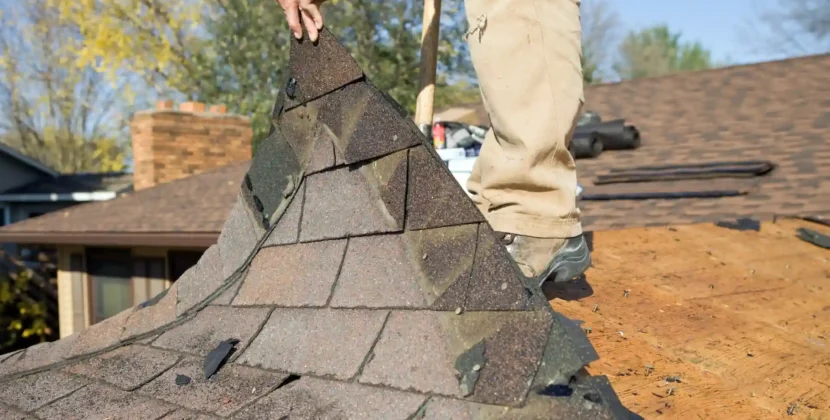

Storm-related roof damage costs homeowners billions of dollars every year, and even a small leak can quickly turn into major structural damage, mold growth, and expensive repairs. A neglected roof doesn’t just affect your home’s appearance it can compromise insulation, weaken ceilings, and reduce property value over time.
Learning how to maintain a roof in harsh weather conditions is one of the smartest ways to protect your investment. Whether your area experiences heavy rain, hailstorms, snow, hurricanes, or intense summer heat, regular maintenance can dramatically reduce the risk of serious roofing problems.
This guide covers everything homeowners need to know, including seasonal maintenance routines, roof weatherproofing strategies, storm damage prevention tips, and how to identify roofing vulnerabilities before severe weather strikes. You’ll also learn when to handle repairs yourself and when it’s time to call a professional roof inspection service.
What Harsh Weather Actually Does to Your Roof
Different weather conditions damage roofing systems in different ways, and understanding these risks helps homeowners take smarter preventive action.
Heavy Rain & Flooding
Persistent rain can force water beneath shingles and flashing, leading to water infiltration inside the attic and walls. Clogged gutters worsen the issue by causing overflow near the roof edge. Over time, trapped moisture creates mold, mildew, and wood rot.
High Winds
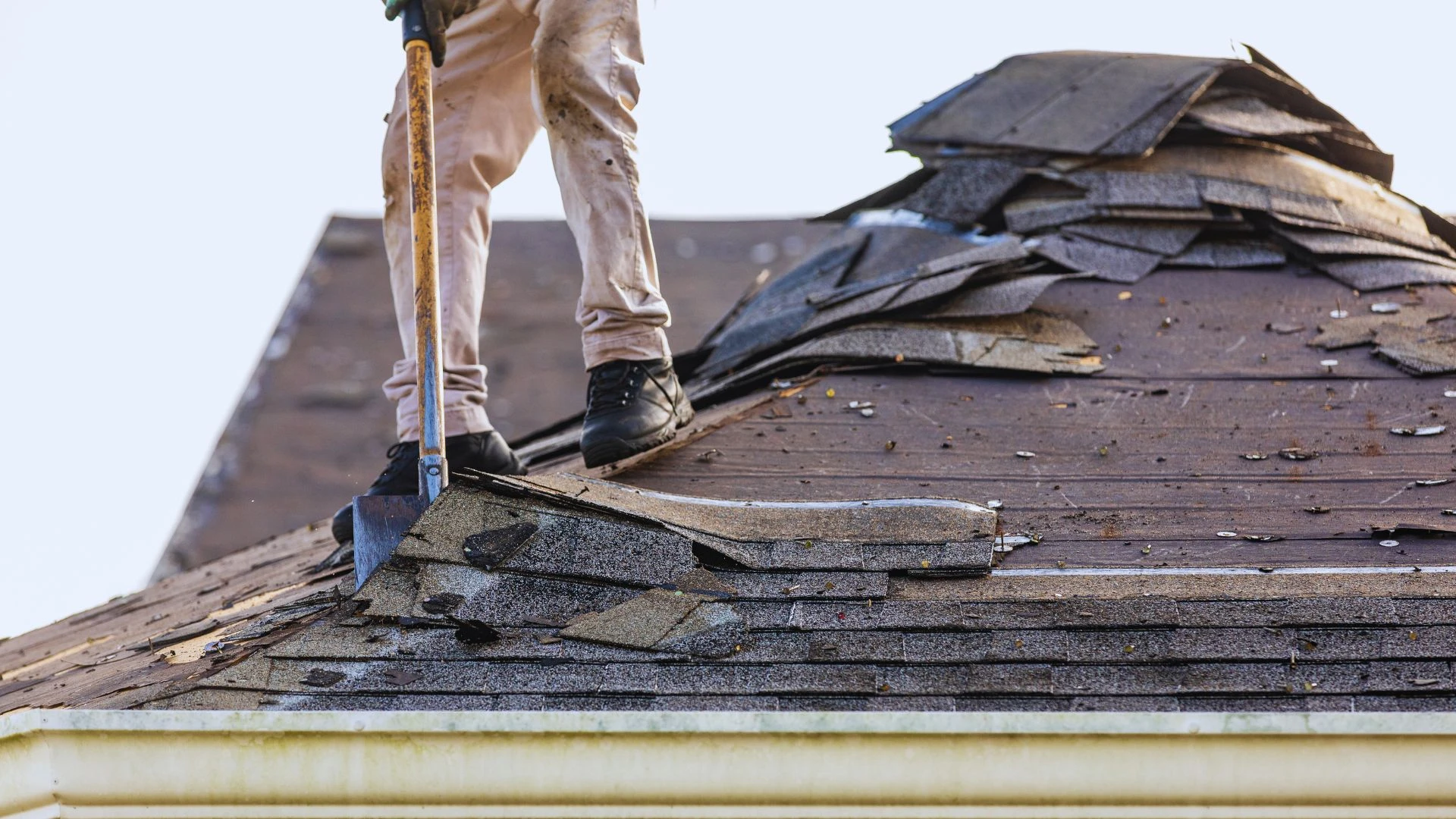
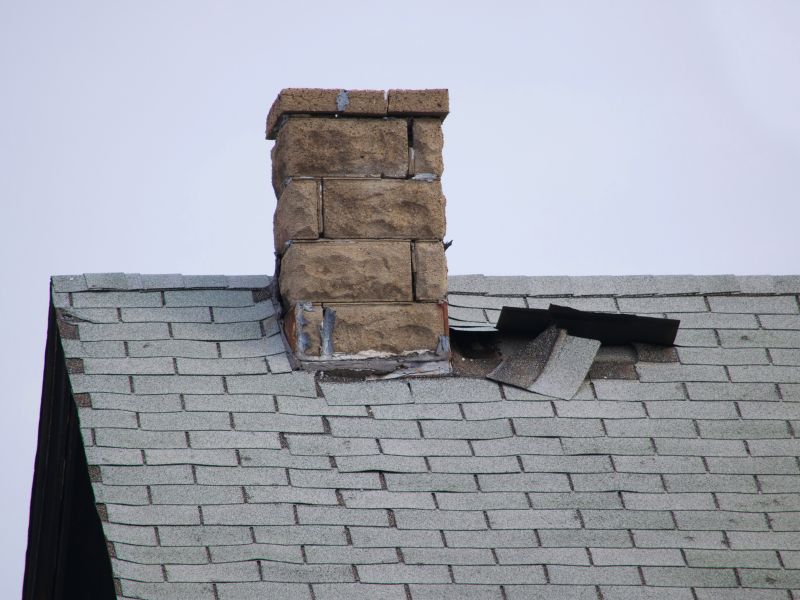
Strong winds can loosen shingles, lift ridge caps, and expose the underlayment beneath your roofing system. Once wind creates even a small opening, rainwater can penetrate the roof structure and spread damage rapidly.
Hailstorms
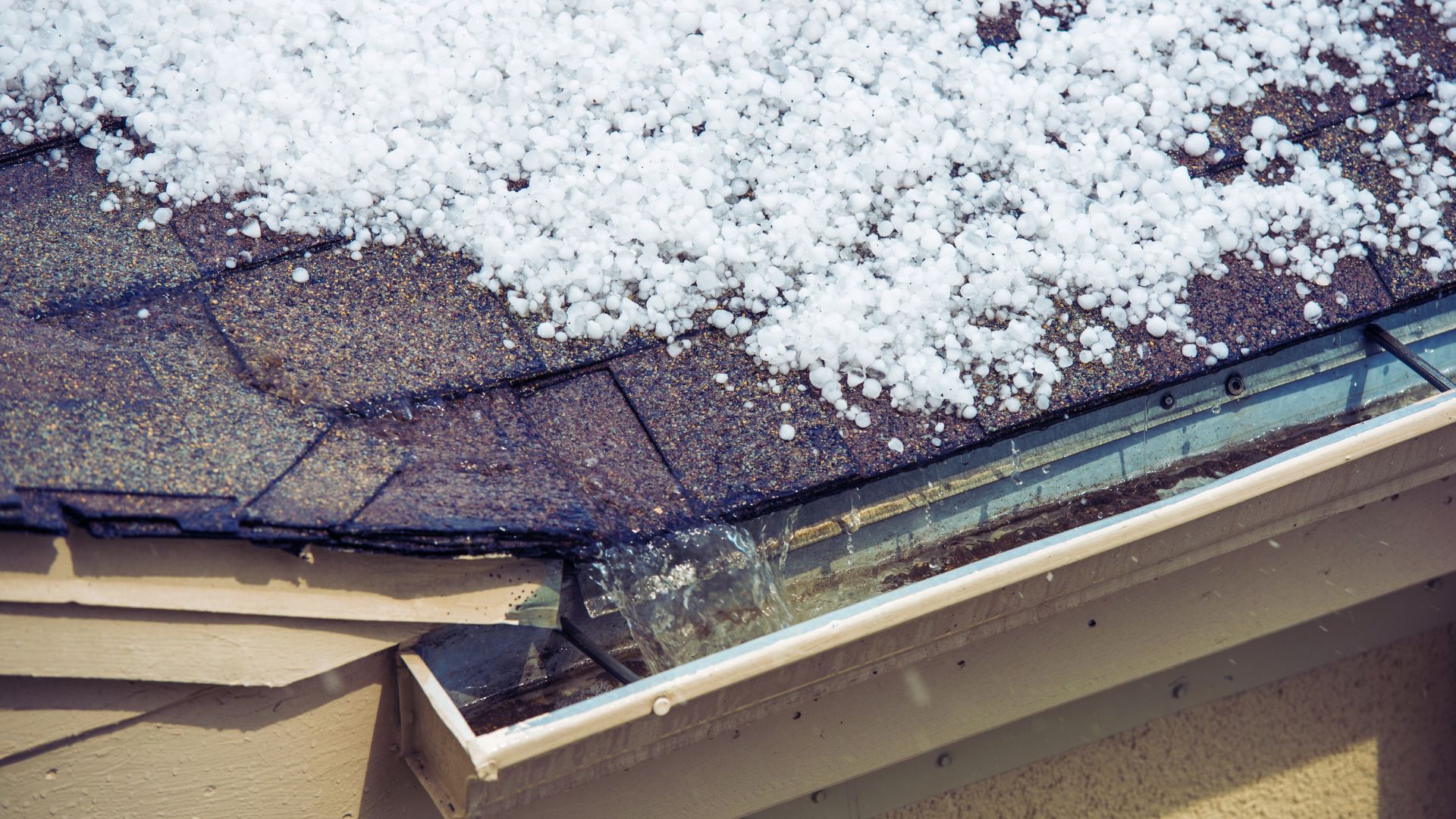
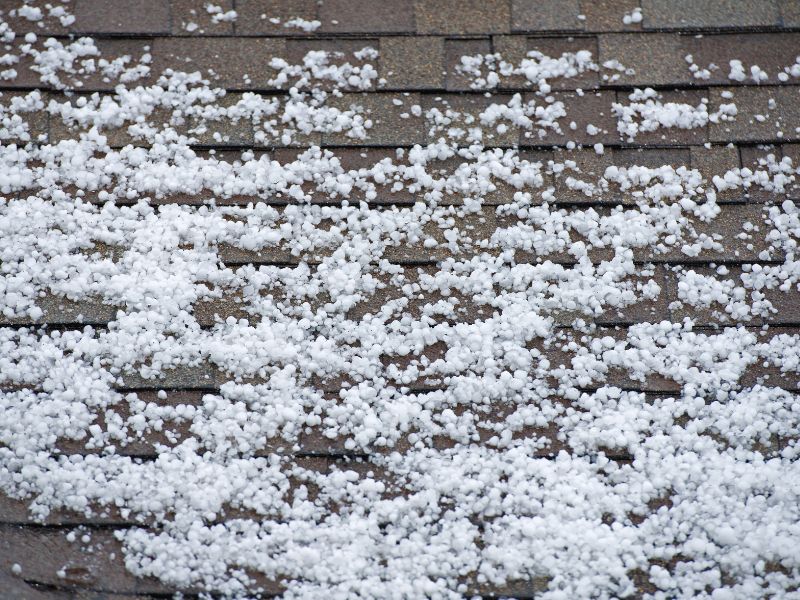
Hail can dent metal roofing, crack shingles, and puncture vulnerable materials. Even minor hail impacts may weaken roofing components enough to shorten the roof’s lifespan significantly.
Snow & Ice
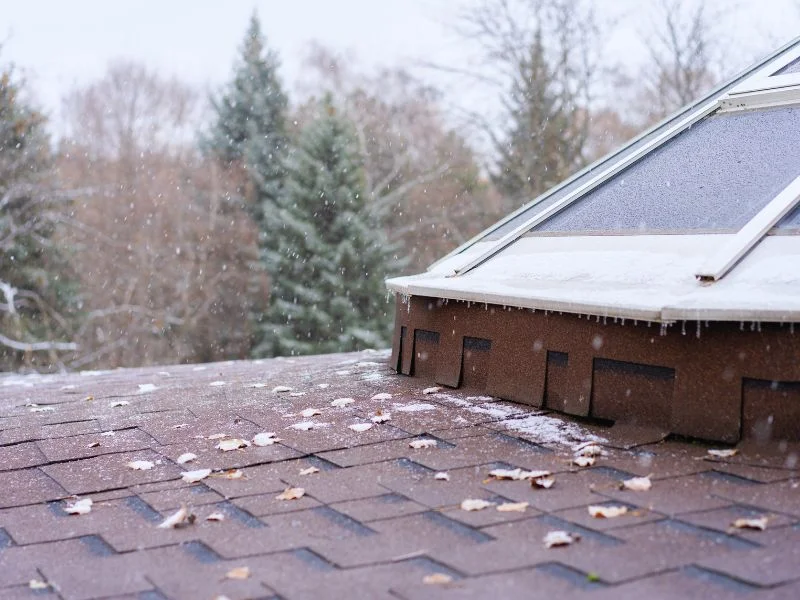
Ice dams form when melting snow refreezes along roof edges, trapping water underneath shingles. Freeze-thaw cycles can also widen cracks and weaken roofing materials.
Intense Heat & UV Exposure
Constant sunlight causes roofing materials to dry out, crack, and deteriorate. Thermal expansion and contraction create gaps that allow moisture intrusion later during storms.
Understanding these weather threats is essential if you want to successfully manage roof weatherproofing and long-term storm damage prevention.
Know Your Roof’s Vulnerabilities
Before severe weather arrives, homeowners should evaluate the specific risks their roof faces.
Start by researching your local climate patterns. Coastal areas may experience hurricanes and salt exposure, northern regions deal with snow and ice dams, while desert climates face extreme UV damage and heat expansion.
Next, identify your roofing material. Asphalt shingles, metal roofing, flat roofs, and modified bitumen systems all respond differently to harsh weather. Knowing your roof type helps determine the right maintenance strategy.
Roof age also matters. Older roofs naturally become more vulnerable to leaks, cracking, and wind uplift. Most asphalt roofs last around 20–30 years, while metal roofing can exceed 50 years with proper care.
Finally, review your homeowner’s insurance policy carefully. Many homeowners assume storm damage is fully covered, but policies often contain exclusions or deductibles for wind and hail claims. Keeping records of every roof inspection and repair can help support future claims.
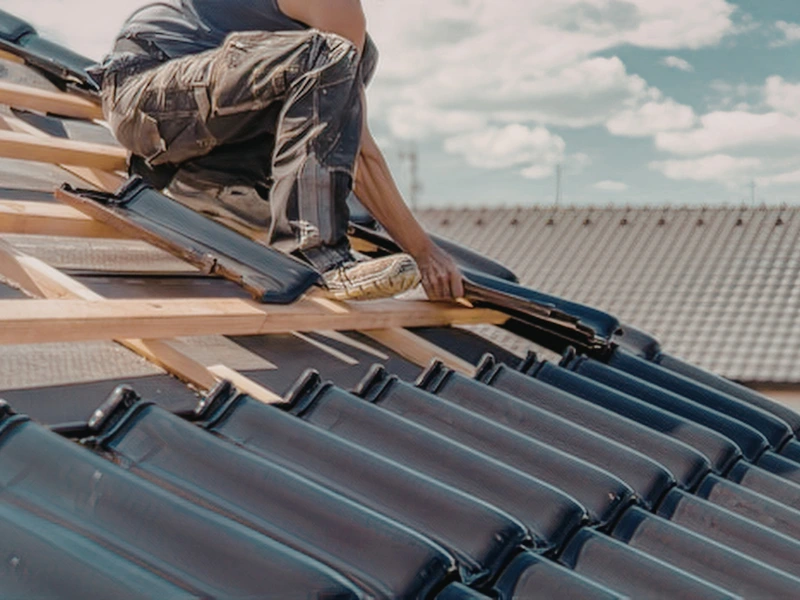
Seasonal Roof Maintenance Schedule (What to Do and When)
Regular seasonal maintenance is one of the best ways to maintain a roof in harsh weather conditions effectively.
Spring
Winter can leave behind hidden roof damage that becomes worse during spring rainstorms.
Start by inspecting for cracked, curled, or missing shingles caused by snow and ice. Pay close attention to areas where ice dams may have formed during colder months.
Clean gutters and downspouts thoroughly to remove leaves, dirt, and debris left behind after winter storms. Proper drainage prevents standing water and gutter overflow.
Loose flashing is one of the most common causes of spring roof leaks.
Spring is also an ideal time to schedule a professional roof inspection if your area experienced severe winter weather.
Summer
Summer heat and storm activity can place enormous stress on roofing systems.
Trim overhanging tree branches before hurricane or thunderstorm season begins. Falling limbs are a major source of storm-related roof damage.
In hotter climates, apply UV-resistant roof coatings when appropriate. Reflective coatings reduce heat absorption and extend roofing material lifespan.
Inspect attic ventilation carefully. Poor airflow traps heat inside the attic, increasing energy costs and accelerating roof deterioration.
Summer is also a good time to check for loose shingles or weakened sealants that may fail during high winds.
Fall
Fall preparation is critical before winter weather arrives.
Clear leaves from gutters, roof valleys, and drainage channels regularly. Clogged gutters can freeze and create dangerous ice dams later.
Seal small cracks or gaps around flashing and roof penetrations before temperatures drop. Cold weather makes repairs more difficult and expensive.
Schedule a professional roof inspection in late fall to identify issues before snow and freezing temperatures arrive.
Fall maintenance greatly improves storm damage prevention during winter storms.
Winter
Winter roofing care focuses mainly on snow and ice management.
Use a roof rake to safely remove heavy snow accumulation from roof edges. Excessive snow weight can strain structural supports.
Watch carefully for ice dams forming along eaves. Icicles hanging from gutters may indicate poor attic insulation or ventilation problems.
Check attic insulation regularly. Warm attic air causes uneven snow melting, which increases the likelihood of ice dams.
Never use sharp tools to chip away ice, as this can damage shingles and waterproof membranes.
Essential Roof Maintenance Tasks for Harsh Weather
1. Inspect Shingles Regularly
Look for missing, curled, cracked, or blistered shingles at least twice a year. Damaged shingles expose the roof deck to moisture and wind damage.
2. Clean Gutters and Downspouts
Clean gutters at least twice annually — more often during fall. Proper drainage helps prevent water backup, leaks, and foundation problems.
3. Check and Repair Flashing
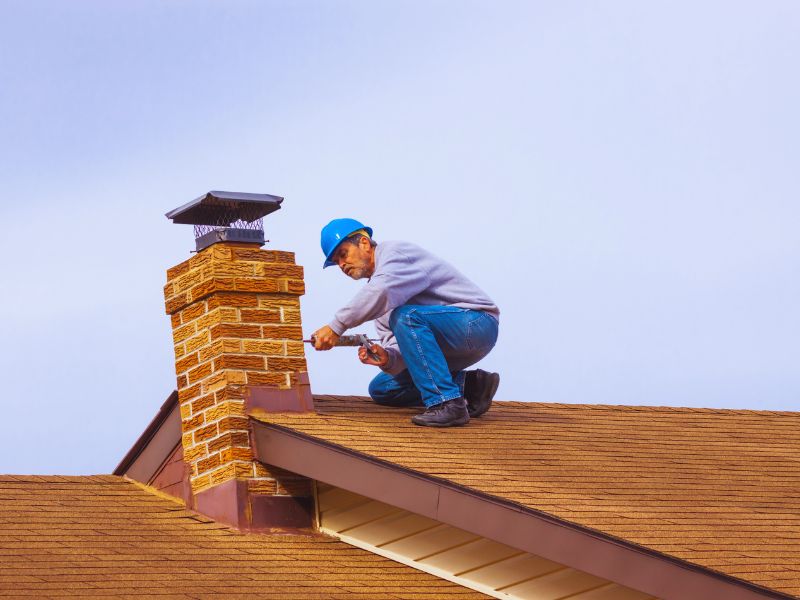
Flashing protects vulnerable roof joints around chimneys, skylights, vents, and valleys. Loose or corroded flashing is a common source of roof leaks.
4. Maintain Attic Insulation and Ventilation
Proper insulation and airflow prevent moisture buildup, reduce energy costs, and minimize ice dam formation during winter.
5. Trim Nearby Trees
Tree limbs can scrape roofing materials during storms or break off entirely during high winds. Trimming branches reduces both physical impact and debris accumulation.
6. Look for Internal Warning Signs
Many roofing problems first appear inside the home. Watch for ceiling stains, peeling paint, mold growth, damp insulation, or musty attic odors.
These warning signs often indicate hidden leaks that require immediate attention.
7. Apply Protective Coatings
Protective waterproof sealants and reflective coatings improve roof weatherproofing and help resist UV damage, rain penetration, and thermal expansion.
These coatings are especially valuable for flat roofs and homes in extremely hot climates.
Performing these maintenance tasks consistently is one of the most effective ways to maintain a roof in harsh weather conditions year-round.
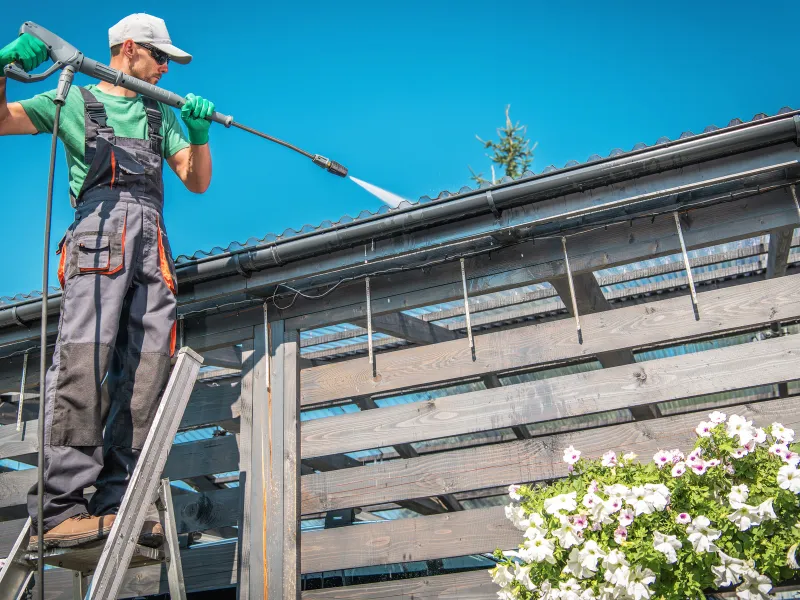
Does Your Roofing Material Match Your Climate?
Choosing the right roofing material can significantly improve durability and weather resistance.
Asphalt Shingles
Asphalt shingles are affordable and widely used, making them a popular all-purpose option. However, they may become vulnerable to hail damage and wind uplift in severe climates.
Metal Roofing
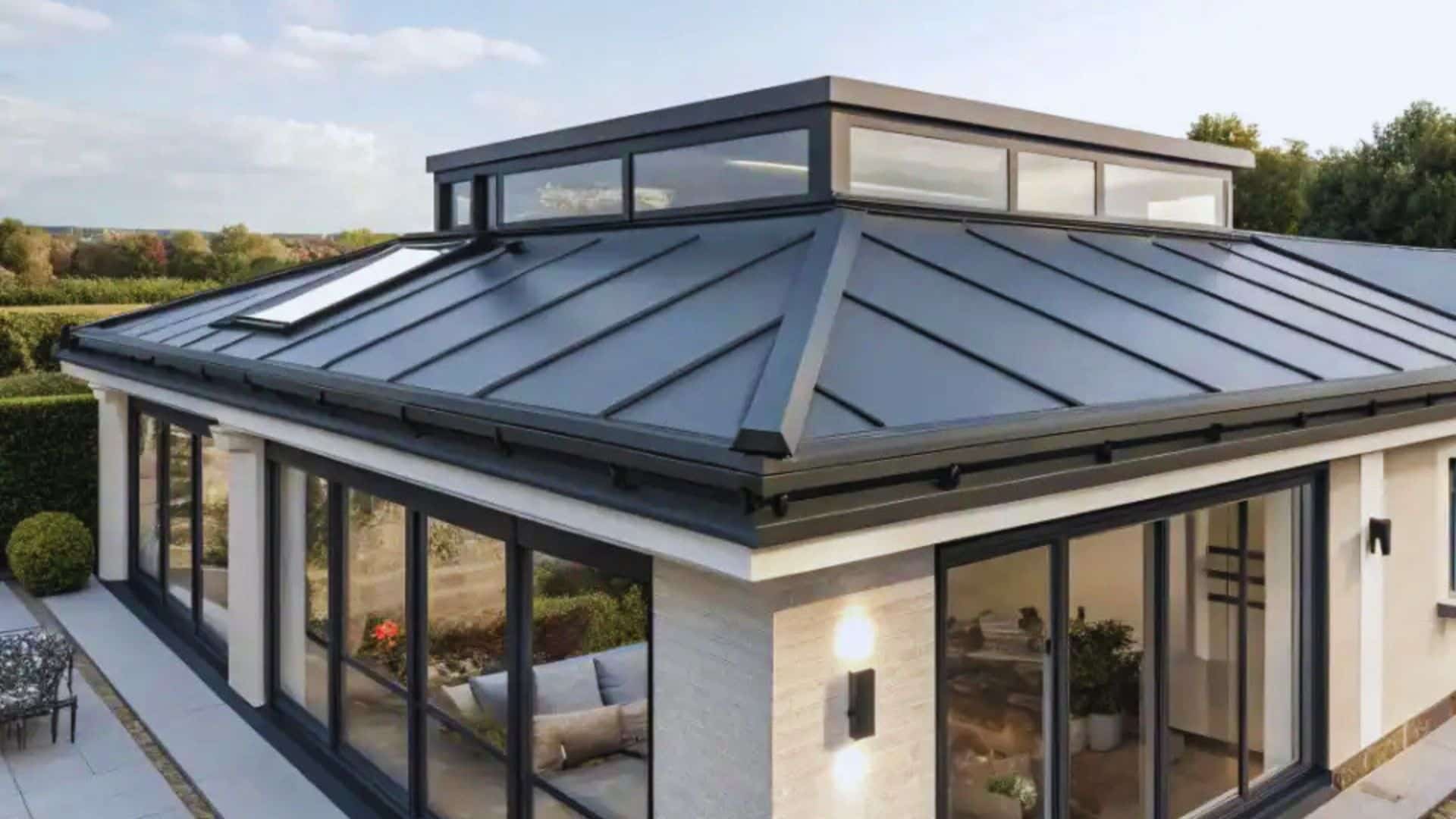
Metal roofs perform exceptionally well in areas with high winds, snow, and wildfire risk. Many systems can withstand winds up to 140 mph and naturally shed snow accumulation.
Impact-Resistant Shingles
Class 4 impact-resistant shingles are specifically designed for hail-prone regions. These products undergo testing under the UL 2218 and FM 4473 impact-resistance standards.
Modified Bitumen Roofing
Modified bitumen systems work well for flat and low-slope roofs, especially in wet climates where waterproofing is essential.
Understanding roofing performance ratings helps homeowners make smarter long-term investments while improving storm damage prevention capabilities.
Post-Storm Roof Emergency Protocol
After a severe storm, safety should always come first.
Wet surfaces, structural instability, and hidden damage create serious fall hazards.
Start with a ground-level inspection. Look for missing shingles, displaced ridge caps, dented gutters, broken flashing, and fallen tree limbs.
Use binoculars or a drone for a safer aerial inspection if possible. This allows you to identify visible damage without risking injury.
Take detailed photos of all damage for insurance documentation. Include wide shots and close-ups whenever possible.
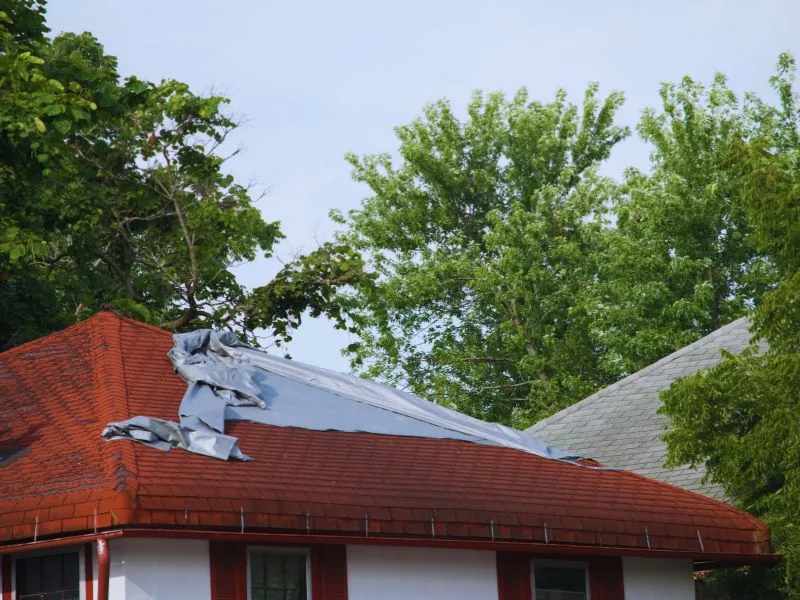
If an active leak is present, use a tarp as a temporary emergency covering until permanent repairs can be completed.
Finally, schedule a professional roof inspection after major storms. Roofing professionals can identify hidden structural damage that homeowners often miss.
A fast response after severe weather helps minimize repair costs and prevents additional interior water damage.
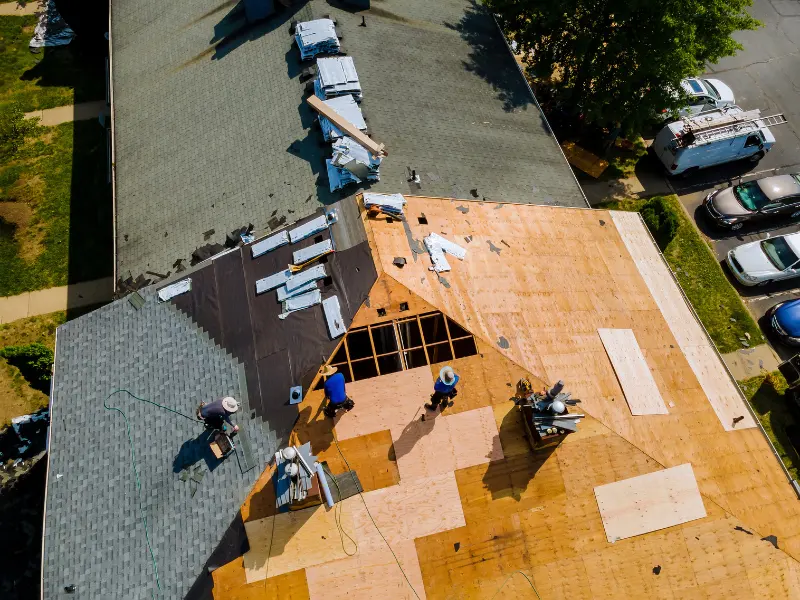
When DIY Isn’t Enough — Hiring a Roofing Professional
Some roofing issues require professional expertise immediately.
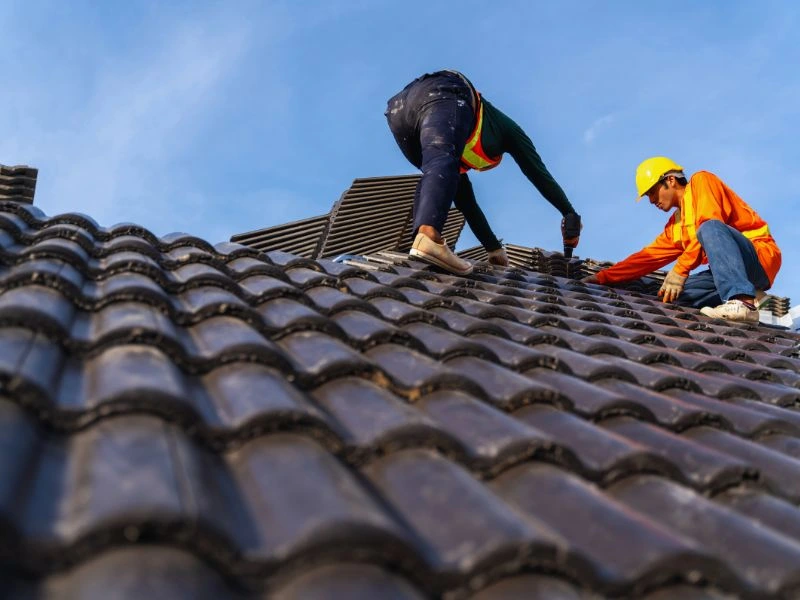
Call a roofing contractor if you notice structural sagging, repeated leaks, widespread shingle loss, or significant storm damage. Attempting major repairs yourself can create safety risks and may worsen existing damage.
Experts generally recommend scheduling a professional roof inspection twice yearly typically during spring and fall as well as after every major storm event.
During a professional inspection, contractors evaluate shingles, flashing, gutters, ventilation systems, insulation, and structural integrity.
Keep copies of all inspection reports, repair invoices, and maintenance records. Proper documentation can simplify future insurance claims and prove that your roof received regular maintenance.
Professional guidance plays a major role in helping homeowners maintain a roof in harsh weather conditions effectively and safely.
Protect Your Roof Before the Weather Turns
Proactive maintenance is always cheaper and safer than emergency roof repairs. By performing regular inspections, following a seasonal maintenance schedule, improving roof weatherproofing, and responding quickly after storms, homeowners can extend roof lifespan and reduce costly damage.
The key is consistency. Small issues like clogged gutters or cracked flashing can quickly escalate into major structural problems if ignored.
If you want to successfully maintain a roof in harsh weather conditions, start with regular inspections, invest in climate-appropriate roofing materials, and schedule professional evaluations before severe weather season begins. Taking action now can save thousands of dollars later.
Final Thoughts
Taking care of your roof before severe weather arrives is far more affordable than dealing with emergency repairs after damage occurs. Regular inspections, seasonal maintenance, proper roof weatherproofing, and quick post-storm action can prevent leaks, mold, structural issues, and costly replacements. Choosing the right roofing materials for your climate also plays a major role in long-term durability and storm damage prevention.
The best strategy is consistency. Inspect your roof throughout the year, keep gutters clear, repair small issues early, and schedule professional evaluations after major storms. If you want to successfully maintain a roof in harsh weather conditions, start using a seasonal maintenance checklist today or contact a trusted roofing professional before the next storm season arrives.
FAQs
1. How often should I schedule a roof inspection?
Most experts recommend a professional roof inspection twice yearly and after major storms.
2. Can heavy snow damage my roof?
Yes. Excess snow adds structural weight and increases the risk of ice dams and leaks.
3. What roofing material is best for high winds?
Metal roofing performs exceptionally well in high-wind regions and resists uplift damage.
4. Are clogged gutters harmful to roofs?
Yes. Blocked gutters trap water, causing leaks, mold growth, and roof edge deterioration.
5. Should I inspect my roof after every storm?
Yes. Early storm damage detection helps prevent leaks and costly structural repairs.