Bitumen roofing systems have long been favored for their durability, cost-effectiveness, and versatility, making them a popular choice for both residential and commercial flat roofs. These asphalt-based systems offer excellent waterproofing and can withstand heavy foot traffic, weather extremes, and UV exposure when properly maintained. However, even the most robust bitumen roofs can develop issues over time, ranging from minor cracks to major leaks that threaten your property’s structural integrity.
Understanding how to repair a bitumen flat roof is essential for homeowners and facility managers alike. While some minor repairs are DIY-friendly, others require professional expertise to prevent further damage or safety hazards. This guide will walk you through everything you need to know about bitumen flat roofs—including the types of bitumen, common problems, repair methods, preventive maintenance, and whether to tackle repairs yourself or hire a professional.
Before starting any roof work, ensure safety by wearing appropriate protective gear and using reliable equipment. Remember, even minor leaks can worsen quickly, so prompt attention is critical to prevent costly repairs.
Quick Definition: Modified bitumen is an advanced, polymer-enhanced version of traditional built-up roofing (BUR), offering better flexibility and durability, while BUR remains the traditional tar-and-gravel layered system used for over a century.
Understanding Bitumen Flat Roofing Systems
A. What is Bitumen Roofing?
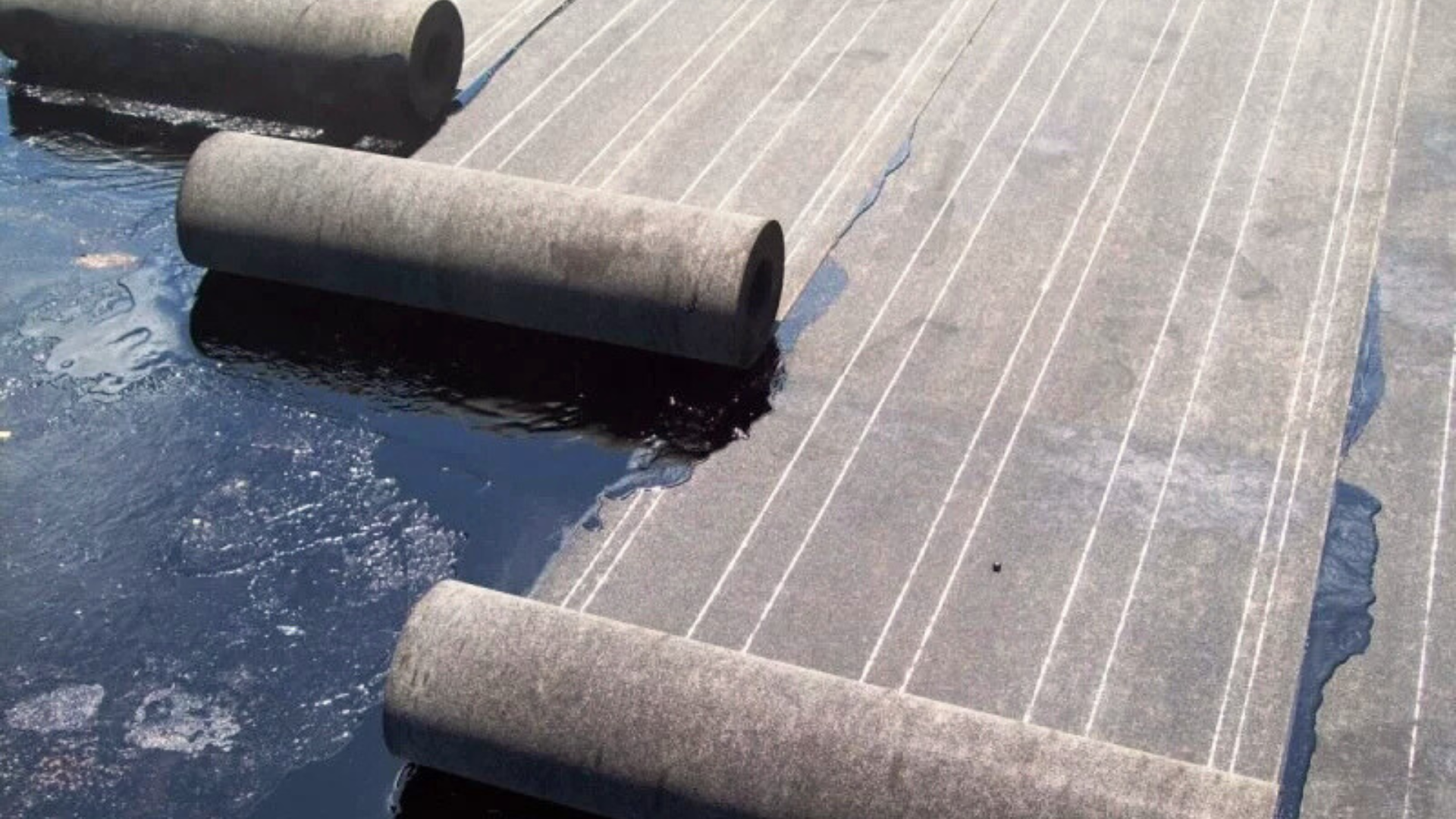
Bitumen roofing is an asphalt-based system designed to provide durable, waterproof coverage for flat or low-slope roofs. Two primary types exist: traditional built-up roofing (BUR) and modified bitumen (Mod-Bit). Both rely on layers of asphalt, reinforced with materials like fiberglass or polyester mats, but they differ in composition and application methods.
B. Types of Bitumen Roofing
Built-Up Roofing (BUR) / Tar and Gravel
-
Consists of multiple layers of tar or asphalt and roofing felt
-
Surfaced with gravel or aggregate for protection
-
Long-standing system, commonly seen on older commercial properties
-
Lifespan: 15–25 years
Modified Bitumen (Mod-Bit)
-
Evolved from BUR in the 1960s, offering enhanced performance
-
Two main types:
-
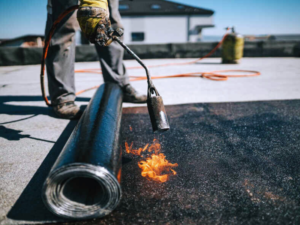
APP (Atactic Polypropylene): Plastic-based, torch-applied, excellent heat resistance
-
SBS (Styrene-Butadiene-Styrene): Rubber-based, flexible, ideal for cold climates
-
-
Typically 2–3 plies with fiberglass or polyester reinforcement
-
Application methods: Torch-down, hot asphalt mopped, cold adhesive, or self-adhering
-
Surface options: Smooth or granulated
-
Lifespan: 15–20 years, up to 25 with proper maintenance
C. Benefits of Bitumen Roofing
-
Excellent waterproofing and weather resistance
-
Durable under foot traffic, especially Mod-Bit
-
Cost-effective installation and repairs
-
Proven performance history
-
Available in reflective or energy-efficient variants
Common Bitumen Flat Roof Problems
A. Cracks and Splits
Caused by thermal expansion, UV exposure, and aging, cracks usually appear in roofs older than 10 years. Temperature fluctuations cause stress that can lead to leaks if not repaired promptly.
B. Blisters and Bubbles
Air or moisture trapped between layers can form blisters, especially during hot weather. These indicate water infiltration or installation issues and must be addressed to prevent rupture.
C. Seam Failures
Seams may lift or separate over time due to improper installation, inadequate overlap, or thermal movement. SBS and APP systems differ in seam vulnerability.
D. Ponding Water / Poor Drainage
Water standing for 48+ hours after rain points to insufficient slope or blocked drains. Prolonged ponding accelerates membrane deterioration, UV damage, and structural stress.
E. UV and Weather Degradation
Sun exposure causes brittleness, loss of granules on Mod-Bit roofs, and alligatoring patterns. Exposed fiberglass mats are highly vulnerable to water penetration.
F. Punctures and Tears
Foot traffic, storm debris, or dropped tools can puncture the membrane, creating leak points that require immediate attention.
G. Flashing Failures
Leaks often occur around vents, pipes, skylights, and parapet walls due to deteriorated or improperly installed flashing.
H. Granule Loss (Modified Bitumen)
Worn granules expose the asphalt layer to UV rays, accelerating aging and weakening the roof structure.
Inspection: Finding Problem Areas
A. When to Inspect
-
Biannual inspections: Spring and fall
-
After storms, hail, or heavy winds
-
Post-winter for snow or ice damage
-
If interior leaks appear
-
Before roof warranty expiration
-
Annual professional inspections for commercial properties
B. Safety Precautions
-
Wear fall protection harnesses
-
Non-slip footwear required
-
Never walk on wet, icy, or extremely hot roofs
-
Work with a partner
-
Ensure proper ladder safety
C. Inspection Checklist
-
Walk the roof systematically
-
Check all penetrations and flashing
-
Examine seams for separation
-
Look for standing water, blisters, cracks, tears, and granule loss
-
Document findings with photos and mark problem areas with chalk
D. Professional Detection Methods
-
Infrared thermography
-
Moisture meters
-
Electrical impedance testing
-
Systematic water testing
Tools and Materials Needed for Bitumen Roof Repair
A. Essential Tools
-
Utility knife (fresh blades)
-
Trowels and putty knives
-
Stiff brush or broom
-
Caulking gun
-
Weighted roller for patches
-
Heat gun or propane torch (professional use only)
B. Safety Equipment
-
Heat-resistant gloves
-
Safety glasses/goggles
-
Knee pads
-
Fall protection harness
-
Non-slip roofing boots
-
Fire extinguisher if using torch
C. Repair Materials
For Modified Bitumen: Patches matching APP or SBS, primer, rubberized roofing cement, adhesive, reinforcing fabric, reflective coating
For BUR/Tar and Gravel: Roofing cement, fiberglass mesh, roofing felt, gravel, hot tar (professional only)
Universal Materials: Flashing tape, elastomeric sealant, roof coating, cleaning solution
D. Material Selection Tips
-
Match patch to roof type (APP vs. SBS critical)
-
Use only rubberized or modified cement
-
Ensure primer and adhesives are compatible with membrane
Step-by-Step Bitumen Flat Roof Repair Methods
A. Preparation
-
Clear debris and sweep roof
-
Remove loose gravel
-
Ensure surface is dry
-
Clean with degreaser if necessary
B. Repairing Small Cracks and Splits
-
Clean and V-shape cracks
-
Apply primer and rubberized cement
-
Embed fiberglass mesh
-
Apply additional cement and granules
-
Cure 24–48 hours
C. Repairing Blisters
-
Cut “X” through blister, peel back flaps
-
Dry interior and remove debris
-
Apply cement inside cavity
-
Press flaps down and cover with patch
-
Seal edges and apply protective coating
D. Repairing Seam Failures
-
Lift separated seams
-
Clean and dry surfaces
-
Apply adhesive or torch-down (APP requires professional)
-
Press seam, roll, and weight
-
Apply reinforcement strip and seal edges
E. Patching Punctures and Tears
-
Cut damaged membrane square or rectangular
-
Inspect substrate
-
Apply primer, position patch, press and roll
-
Apply secondary patch for larger openings
-
Seal edges and add protective coating
F. Flashing Repairs
-
Remove damaged flashing
-
Clean area and cut membrane around penetration
-
Apply cement, install new flashing, seal edges
-
Use rubber boot collars for pipes
-
Apply final coat of sealant
G. Large-Scale Repair: Overlay/Recoating
Option A: Protective Coating
-
Clean, repair major damage, apply primer
-
Coat with acrylic, elastomeric, or silicone
-
Apply multiple layers, inspect seams and edges
-
Optional UV-reflective coating for protection
Option B: Cap Sheet Overlay (Professional)
-
Add modified bitumen layer over existing roof
-
Extends life by 5–10 years
-
No tear-off required, addresses UV protection
-
Drainage issues must be resolved first
Repair Methods by Bitumen Type
-
APP: Torch-down; DIY not recommended
-
SBS: Compatible with cold adhesives; homeowner-friendly
-
BUR: Cold roofing cement for small repairs; professional for hot tar
Addressing Ponding Water Issues
Immediate: Clear drains, remove debris, temporary pumping if necessary
Long-Term: Add slope with tapered insulation, additional drains/scuppers, deck modifications
Prevention: Install drain strainers, regular maintenance, clear debris
Preventive Maintenance for Bitumen Roofs
-
Biannual inspections, post-storm checks
-
Clean debris, maintain drains, re-gravel as needed
-
Apply UV-protective coatings every 3–7 years
-
Limit roof traffic with walkways
-
Keep documentation and photos of repairs
DIY vs. Professional Repair
DIY Appropriate: Small cracks, minor blisters, cold adhesive repairs on SBS
Professional Needed: Torch-down APP, extensive damage, multiple leaks, structural issues, warranty compliance
Benefits of Professionals: Correct diagnosis, proper materials, warranty, safety, long-term solutions
Cost Considerations
DIY: $100–$500 for minor repairs
Professional: $300–$5,000 depending on damage and scale
Replacement: Consider if repairs exceed 30% of replacement cost or roof near end of lifespan
Common Mistakes to Avoid
-
Wrong weather for application
-
Incompatible materials
-
Insufficient patch overlap
-
Trapping air under patches
-
Safety oversights (no harness, torch misuse)
-
Ignoring drainage problems
When Replacement is Better Than Repair
-
Roof age >20 years (Mod-Bit) or >25 years (BUR)
-
Damage >25–30%
-
Multiple leaks, repeated repairs failing
-
Structural or deck damage
-
Energy efficiency concerns
Replacement options include new modified bitumen, TPO, PVC, or spray foam overlays.
Conclusion
Bitumen flat roofs are durable and cost-effective but require regular inspection and timely repair. Minor cracks and blisters can often be handled with DIY methods, especially on SBS systems, while torch-down APP or extensive damage should be handled professionally. Proper materials, safe techniques, and preventive maintenance—like UV coatings, drainage upkeep, and limiting foot traffic—significantly extend roof life. Evaluate repair costs versus replacement carefully, and act promptly on any issues to prevent costly damage. Inspect your bitumen roof today and fix small issues before they escalate.
Follow us on Facebook.
FAQs
-
Can I repair a bitumen roof myself?
Small cracks and minor blisters on SBS roofs can often be DIY-repaired safely. -
How long does a repaired bitumen roof last?
Repairs typically last 5–10 years depending on materials, application, and maintenance. -
What is the difference between APP and SBS?
APP is plastic-based, torch-applied; SBS is rubber-based and flexible for cold climates. -
How do I prevent ponding water on my roof?
Keep drains clear, add tapered insulation, and consider additional roof drains or scuppers. -
When should I replace instead of repair?
Replace if >25% of surface is damaged, multiple leaks exist, or roof is near end of lifespan.